Driving after drinking in China brings serious legal risk, even at low alcohol levels. China bans impaired driving and sets strict blood alcohol limits, with criminal charges starting at 0.08% BAC and penalties that can include jail, heavy fines, and license bans. Police enforce these rules nationwide with roadside breath tests and blood tests.
You face penalties even if you feel fine to drive. At 0.02% BAC, the law treats it as impaired driving and applies fines and license suspension. At 0.08% BAC or higher, the law treats it as drunk driving and can lead to detention, criminal records, and prison time, with harsher punishment for crashes, injuries, or driving school buses.
These laws affect locals, visitors, and commercial drivers alike. Enforcement stays consistent across regions, but outcomes worsen fast if you cause harm or refuse testing.
Key Takeaways
- Impaired driving is illegal at very low alcohol levels.
- Drunk driving can lead to criminal charges and prison.
- Police use frequent testing and strict procedures.
Strong internal controls help reduce misconduct-related risks. Strengthen your compliance framework by checking out our guide, Company Health Check China: Financial, Legal & Compliance Audit.
Legal Framework for Impaired Driving in China
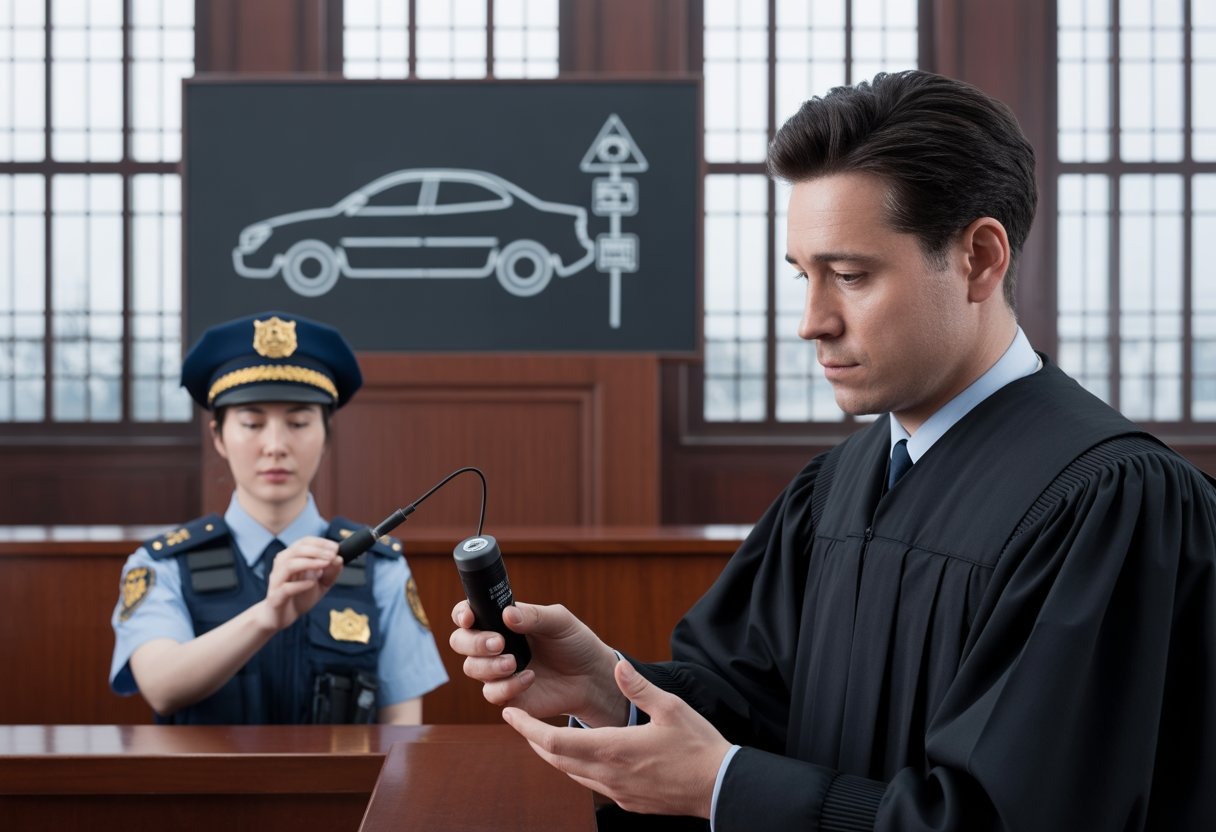
China treats impaired driving as a serious threat to public safety. The law sets clear alcohol limits, defines criminal liability, and assigns strict roles to police, prosecutors, and courts.
Key Laws and Regulations
China regulates impaired driving mainly through the Road Traffic Safety Law and the Criminal Law. These laws apply nationwide and affect all drivers, including foreigners.
The law sets two alcohol limits based on blood alcohol content (BAC):
China criminalized drunk driving in 2011. You can face criminal charges even if no crash occurs. Guidelines updated in 2023 clarified testing standards and evidence rules. Breath or blood tests that meet legal standards can support a conviction.
Classification of Impaired Driving Offenses
China separates impaired driving into administrative and criminal offenses. The difference depends on BAC level and driving behavior.
If your BAC stays below 0.08%, police treat the case as an administrative violation. Penalties often include fines, license suspension, and demerit points. Repeat offenses lead to harsher sanctions.
If your BAC reaches 0.08% or higher, the law treats it as a crime. You may face detention, criminal records, and long license bans. Certain acts trigger heavier punishment, such as:
- Driving a school bus
- Carrying passengers for pay
- Causing injuries or property damage
Role of Judicial and Law Enforcement Bodies
Traffic police enforce impaired driving laws through roadside checks, breath tests, and blood draws. They collect evidence and file case materials under strict procedures.
The Supreme People’s Procuratorate guides how prosecutors handle drunk driving cases. It issues model cases and standards to ensure consistent charging decisions across regions. Local procuratorates decide whether to prosecute based on evidence and legal thresholds.
Courts apply national laws and judicial guidelines when sentencing. Joint rules from the Supreme People’s Court and other agencies define aggravating factors and proof standards.
To understand residency impacts, read our guide: China Residence Permit: Everything You Need to Know.
Blood Alcohol Content Limits and Testing Standards
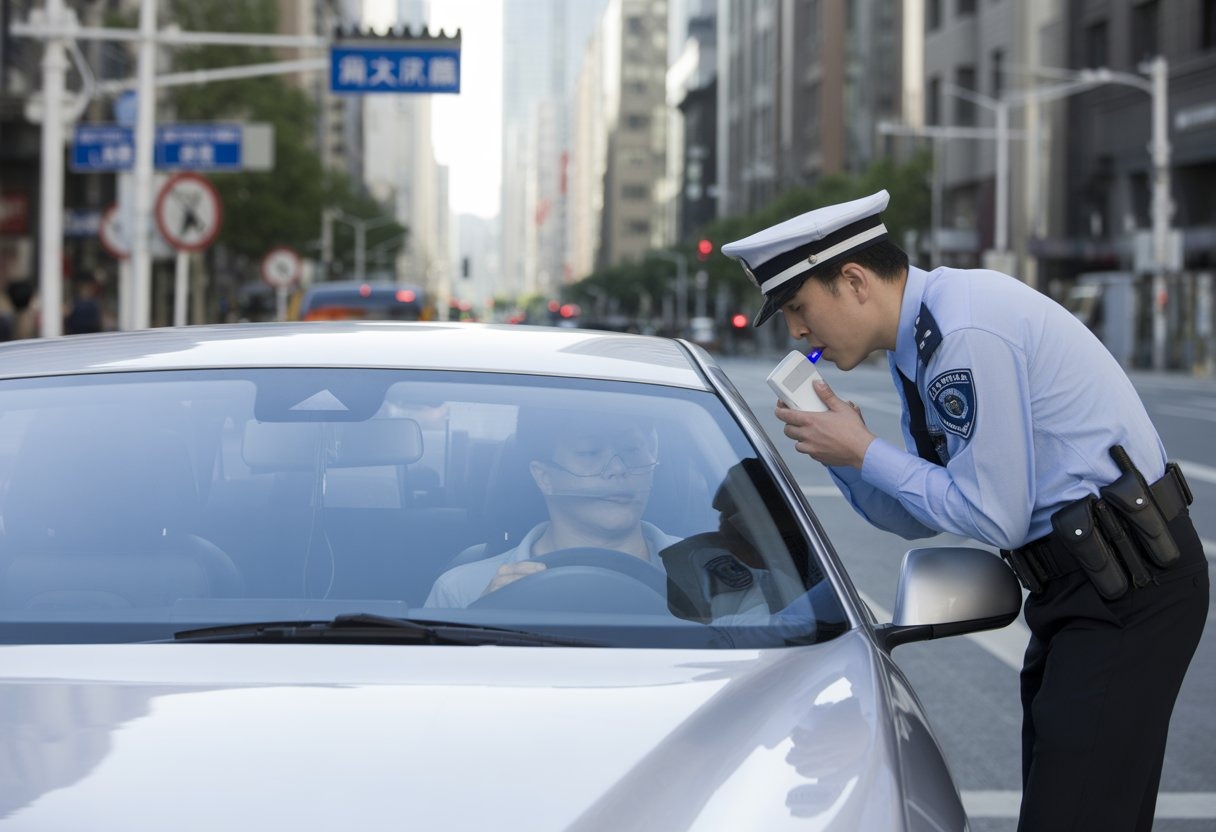
China sets clear blood alcohol content limits and enforces them through routine roadside checks and strict penalties. You face different rules based on your driver type, and police rely on standardized testing to confirm drunk driving.
BAC Thresholds for Private Drivers
China uses two legal thresholds for private drivers, measured as blood alcohol content (BAC).
If your BAC reaches 20 mg/100 mL, police treat it as drink driving. You face fines, license suspension, and penalty points.
If your BAC reaches 80 mg/100 mL or higher, the law defines it as drunk driving. This triggers criminal charges, possible detention, and long-term license revocation.
China does not allow “safe” low-level drinking before driving. Even small amounts of alcohol can push you over the first limit.
Zero Tolerance for Commercial and Public Transport Drivers
China applies zero tolerance to commercial and public transport drivers. If you drive a bus, taxi, truck, or other commercial vehicle, any detectable alcohol can lead to punishment.
Police also apply zero tolerance during your first year of driving. If you are a new driver, any alcohol in your system breaks the law.
These rules aim to protect passengers and reduce high-risk crashes. The penalties often exceed those for private drivers and may include job loss, permanent license cancellation, and criminal records.
Methods of BAC Testing and Enforcement
Police in China enforce drunk driving laws through frequent roadside inspections, especially at night and on holidays.
You usually face a breath test first. Officers use approved breathalyzers to estimate your BAC within minutes.
If the breath test shows alcohol, police may require a blood test at a medical facility. Blood results carry the highest legal weight in court.
Refusing a test does not protect you. Refusal can lead to automatic penalties similar to drunk driving.
Police also use checkpoints, mobile patrols, and targeted operations. These methods make impaired driving detection common and predictable.
Enforcement systems often connect to broader legal monitoring. For added context, explore: What is China’s Point System? Understanding Social Credit System in China.
Penalties for Impaired and Drunk Driving
China treats impaired driving as a serious safety risk. The law separates DUI from drunk driving based on blood alcohol level and sets different penalties. You face administrative punishment for lower levels and criminal punishment for higher levels or serious harm.
Administrative Penalties for DUI
You commit DUI when your blood alcohol concentration (BAC) falls between 20 and 80 mg per 100 ml of blood. Police handle this as an administrative offense, not a crime.
Common penalties include:
- License suspension for 6 months
- Fines, often around 1,000–2,000 RMB
- Points added to your driving record
If you drove a commercial vehicle, penalties increase. Authorities may suspend your license for longer periods and bar you from commercial driving for years.
Police can stop you for roadside testing. If you refuse testing, officers can still impose penalties based on other evidence. Repeat DUI offenses bring longer suspensions and higher fines.
Criminal Penalties for Drunk Driving
You commit drunk driving, also called driving while intoxicated, when your BAC reaches 80 mg per 100 ml or higher. The law treats this as a criminal offense under the crime of dangerous driving.
Typical punishments include:
- Criminal detention, often up to 6 months
- Criminal fines
- License revocation for 5 years
After revocation, you must wait before reapplying. You also carry a criminal record, which can affect jobs and travel.
If you drove a commercial vehicle, the law is stricter. Authorities usually impose a lifetime ban from commercial driving.
Aggravated Offenses and Enhanced Punishments
Penalties increase when drunk driving causes serious harm or shows higher risk. You face heavier punishment in these cases:
If an accident causes death, courts can impose fixed-term imprisonment instead of short detention. You also face civil liability for damages.
Also read: Driving in China: Licensing and Key Traffic Rules
Enforcement Practices and Legal Procedures
Police rely on frequent roadside checks, clear testing rules, and defined court steps to enforce impaired driving laws. You face fast decisions at the roadside, followed by formal case handling if tests show alcohol levels above legal limits.
Random Checkpoints and Breath Tests
Police set up random checkpoints on city roads, highways, and near nightlife areas. You must stop when signaled and follow officer instructions.
Officers use breath analyzers to screen drivers. Under Chinese traffic law, 0.02% BAC counts as driving under the influence, and 0.08% BAC counts as drunk driving. A breath test often comes first, and police may order a blood test to confirm results.
Common checkpoint features include:
- Visible signs and marked police vehicles
- On-the-spot breath testing
- Temporary vehicle checks and license review
If your test shows illegal levels, police can detain you and seize your license on site. They document the stop with video and written records to support later review.
Case Handling and Judicial Process
Once police confirm drunk driving, they transfer the case for criminal handling. You move from traffic enforcement to the criminal justice system.
The Supreme People’s Procuratorate guides prosecutors on charging standards and evidence review. Prosecutors assess test results, driving behavior, and any harm caused. Courts follow unified rules to reduce regional differences.
Typical steps include:
- Police investigation and evidence collection
- Prosecutor review and charging decision
- Court hearing and judgment
Judges rely on BAC results, witness records, and prior offenses. Penalties may include fines, detention, license revocation, and a driving ban. Serious cases can lead to prison terms, especially when injuries or deaths occur.
Impact of Refusal to Cooperate
Refusing a breath or blood test carries serious consequences. Police can treat refusal as evidence of wrongdoing and move forward with forced testing.
If you refuse, officers may detain you and arrange a compulsory blood draw at a medical facility. Courts often view refusal as an aggravating factor.
Key risks of refusal include:
- Harsher administrative penalties
- Reduced chance of leniency
- Stronger case for prosecutors
You also risk longer license bans and higher fines. Refusal often worsens your legal position.
Want to get a license in China? Read our guide: How To Get a Chinese Driving License as an Expat.
Implications and Consequences for Offenders
Impaired driving in China brings fast and serious consequences. You face limits on driving, work risks, financial costs, and required education or supervision after an offense.
Driver’s License Suspension and Bans
When police confirm driving while intoxicated, they act quickly. Penalties depend on your blood alcohol level and the vehicle type.
You must pass exams to regain a license after a ban ends. Courts may also add short detention for drunk driving, even without a crash.
Effects on Employment and Social Credit
A drunk driving conviction creates a criminal record. This record can affect hiring, promotion, and contracts, especially in public service, transport, and state-linked jobs.
Employers may suspend or end your role if driving is part of your work. Schools, hospitals, and government offices often apply stricter rules.
Local authorities can also record the offense in social credit systems. This may limit loans, travel benefits, or business approvals. The impact varies by city and employer.
Insurance and Compensation Liabilities
Insurance costs rise after impaired driving. Some insurers refuse to cover damages if you drove drunk.
You still owe civil compensation for injuries, deaths, or property damage. Courts often require payment for medical care, lost income, and repairs.
If you caused a crash, you may face both criminal penalties and civil claims at the same time. Payment plans can apply, but debt remains until paid.
Rehabilitation and Education Programs
China uses education to reduce repeat offenses. After a suspension or ban, you often must complete traffic safety courses.
Courts may order community correction for drunk driving. This can include regular check-ins, education sessions, and behavior rules.
Some cities require medical or alcohol risk assessments before license reinstatement. You must pass written tests on traffic law and safe driving in China.
Failure to complete required programs can delay license return or lead to added penalties.
Regional Variations and Special Situations
Impaired driving rules stay strict across China, but enforcement and tools change by city. You face tighter checks in major metros, cross-border rules in the south, and heavy use of technology in tech-focused cities.
Beijing’s Enhanced Enforcement
Beijing applies some of the strongest impaired driving enforcement in the country. You encounter frequent roadside checks, especially at night, on weekends, and near business districts.
Police focus on drunk driving under national BAC limits. They treat cases above 0.08% as a crime and cases from 0.02% to 0.08% as an offense. Officers often use mobile checkpoints that move locations to prevent avoidance.
Key features you should expect:
- Random breath tests with no advance notice
- Fast transfer to blood testing after a positive result
- Harsher penalties for repeat violations
Local courts also process cases quickly. This speed reduces delays and increases certainty of punishment.
Shanghai’s Pilot Programs
Shanghai uses pilot programs to improve how it detects and handles impaired driving. You may see changes here before they appear in other cities.
Traffic police test new enforcement methods alongside standard checks. These often include data-led patrol planning and targeted stops based on time and location patterns tied to drunk driving.
Common pilot elements include:
- Risk-based checkpoints near nightlife areas
- Joint operations with transport and public security teams
- Education orders for low-risk first-time offenders, where allowed by law
Shanghai also tracks outcomes closely. Officials review crash data, repeat offenses, and court results to decide whether to expand a program. Enforcement methods can change quickly and with little public notice.
Cross-Border Enforcement in Guangdong
Guangdong faces special challenges due to travel between the mainland, Hong Kong, and Macau. If you drive in border cities, rules and enforcement can shift within short distances.
Mainland drunk driving laws apply once you cross into Guangdong. BAC limits and criminal penalties remain the same, even if standards differ across the border.
You should pay attention to:
- License validity, as cross-border permits have limits
- Vehicle registration rules tied to where the car is approved to drive
- Information sharing between border agencies for serious offenses
Police increase checks near ports of entry and major highways. They focus on preventing impaired drivers from entering dense urban areas after crossing.
Technology-Driven Measures in Shenzhen
Shenzhen relies heavily on technology to enforce impaired driving laws. You see fewer traditional roadblocks and more automated oversight.
The city uses smart traffic systems to flag risky driving patterns. Police then direct patrols to those locations in real time. This approach supports enforcement without constant fixed checkpoints.
Common tools include:
Shenzhen also links violations to broader credit and compliance systems where allowed. This integration raises the cost of non-compliance and increases follow-up after an offense.
Also, read our guide: Can I Import a Car from China? Costs & Steps.
Considerations for Foreign and Commercial Drivers
If you plan on driving in China, the law treats impaired driving as a serious offense. Foreign drivers and commercial operators face stricter checks, low blood alcohol content limits, and strong penalties that can affect your right to stay or work in the country.
Requirements for Foreign License Holders
You cannot legally drive in China using most foreign licenses. You must obtain a Chinese driving license or a temporary driving permit tied to your visa.
China does not recognize international driving permits on their own. Authorities require a health check, written test, and valid passport. Some cities add local rules.
When it comes to impaired driving, the same blood alcohol content (BAC) limits apply to you as to local drivers. A BAC of 0.02% qualifies as driving under the influence. A BAC of 0.08% counts as drunk driving.
Police conduct roadside breath tests often, especially at night and near entertainment areas. You must comply during all checks.
Penalties and Deportation Risks for Foreigners
China enforces impaired driving laws strictly, regardless of nationality. Fines, license suspension, and detention apply to you in the same way as for citizens.
For drunk driving, penalties can include:
- Criminal detention
- Loss of your driving privileges
- High fines
If you hold a work or residence visa, authorities may notify immigration officials. Serious or repeat offenses can lead to visa cancellation or deportation.
If impaired driving causes injury or death, courts may impose prison sentences. Your embassy cannot override Chinese law or stop prosecution.
You remain responsible even if you drive a rental car or company vehicle. Claims of misunderstanding local rules do not reduce penalties.
Specific Rules for Commercial Vehicle Operators
Commercial drivers face zero tolerance in practice. Even a small amount of alcohol can end your driving career in China.
If you operate taxis, buses, freight trucks, or ride-hailing vehicles, the law treats violations more harshly. Authorities focus on public safety and risk exposure.
Common consequences include:
- Lifetime ban from commercial driving
- Immediate license revocation
- Criminal charges
Employers often terminate contracts after a single impaired driving offense. Insurance policies may also refuse coverage.
Police monitor commercial routes closely and use random testing. When driving in China as a commercial operator, you must assume every shift includes enforcement checks.
Wrap Up
Impaired driving laws in China are strict and taken very seriously. Driving after drinking or using drugs can lead to heavy fines, license loss, or jail time. These laws aim to keep roads safe for everyone. Foreigners and locals are treated the same under the law. Knowing the rules helps avoid serious trouble.
If you face legal issues related to impaired driving laws in China, consult China Legal Experts to understand your rights and the best way forward.
Frequently Asked Questions
What are the legal blood alcohol concentration (BAC) limits for drivers in China?
China sets two BAC limits. A BAC from 0.02% to under 0.08% counts as driving under the influence and triggers administrative penalties.
A BAC of 0.08% or higher counts as drunk driving. The law treats this as a criminal offense.
What penalties does one face if convicted of driving under the influence (DUI) in China?
For a BAC between 0.02% and 0.08%, you face fines, penalty points, and a temporary license suspension. Police may also detain you for a short time.
For a BAC of 0.08% or higher, you face criminal charges. Penalties can include detention, fines, and license revocation for at least five years.
Are there any specific laws regarding the use of breathalyzers by traffic police in China?
Traffic police can stop you and require a breath test if they suspect impairment. The law allows roadside screening without a court order.
If results show a high BAC or you dispute the reading, police can order a blood test at a medical facility.
What are the legal consequences for refusing a breathalyzer test when stopped for suspected impaired driving in China?
Refusing a breath test does not stop enforcement. Police can require a blood test to confirm your BAC.
Refusal can lead to added penalties, such as detention or charges for obstructing law enforcement.
How do the laws in China address repeat offenses for impaired driving?
Repeat offenses bring harsher penalties. Authorities can extend detention periods and raise fines.
If you commit drunk driving again or cause a serious accident, the court can impose long-term or lifetime driving bans.
Does China have zero tolerance policies for impaired driving for certain groups, such as novice or commercial drivers?
China applies near zero tolerance to commercial drivers, including bus and truck drivers. Any alcohol can lead to severe punishment and permanent license loss.
Drivers of school buses face especially strict penalties.
Subscribe to receive updates
Subscribe to receive the latest blog posts to your inbox every week.