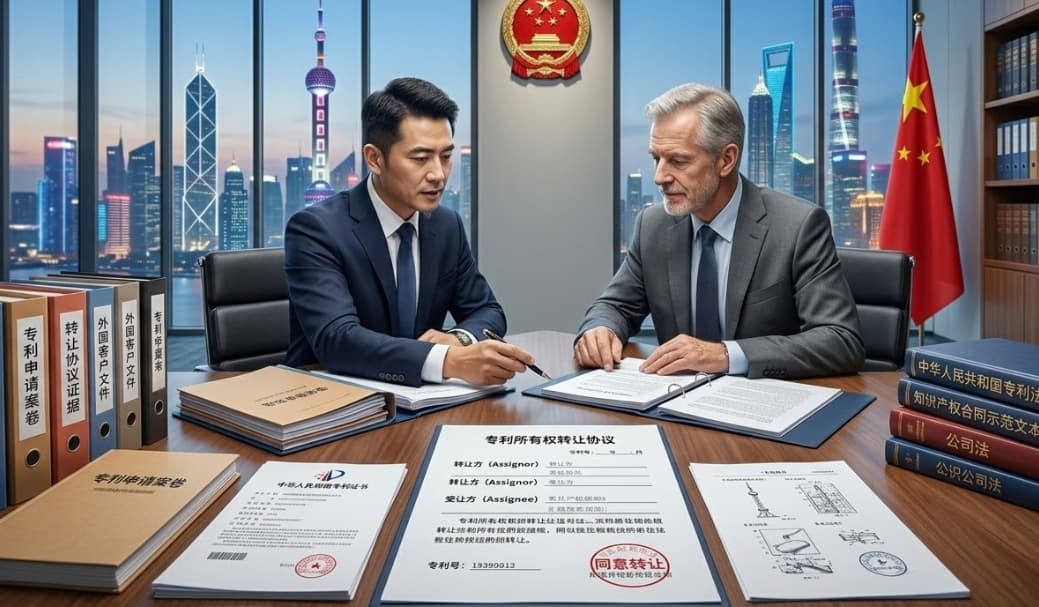
The fear that China will steal patents owned by foreign companies is a primary concern for international businesses. This anxiety is often fueled by headlines about forced technology transfers and counterfeit goods.
However, the legal landscape has shifted significantly in the last decade. While IP theft remains a serious risk, it often stems from preventable legal gaps rather than systemic bias against foreign entities.
Understanding how theft actually occurs is the first step to stopping it.
This guide explains the reality of patent protection and how foreign businesses can successfully secure their technology in the Chinese market.
The Reality of Patent Theft for Foreigners
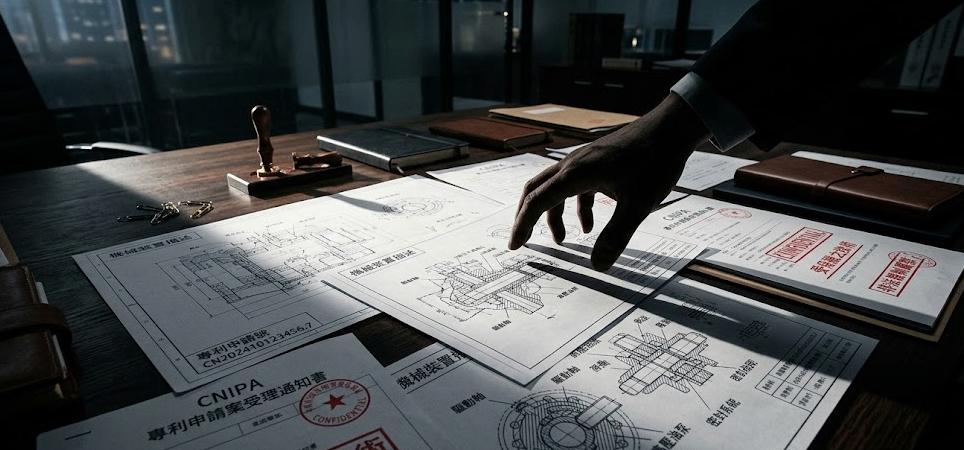
The narrative of China stealing patents foreigner innovators is often simplified. In reality, most losses result from foreign companies failing to adapt to China's specific legal environment.
China operates on a "first-to-file" system. This means that if a Chinese competitor or even your own supplier files a patent for your invention before you do, they legally own the rights in China. This is not necessarily "theft" under Chinese law. It is a failure of strategy.
Foreign companies frequently rely on their US or European patents to protect them globally. This is a critical mistake. Patent rights are territorial. Without a Chinese patent, you have no patent rights in China. This gap allows local entities to reverse-engineer your product and sell it legally.
Recent Trends in Foreign IP Protection
China has established specialized IP courts in major cities like Beijing, Shanghai, and Guangzhou. These courts handle complex technical cases and have demonstrated a surprisingly level playing field.
Statistics indicate that foreign litigants often receive higher average damage awards than domestic plaintiffs. This suggests that the system protects those who engage with it correctly.
How China Steals Patents From Foreigners Actually Happens
Understanding the mechanics of IP loss is essential. It rarely involves a spy in a trench coat. It usually involves a business partner or a procedural error.
The Supplier Trap
Your manufacturer in Shenzhen or Ningbo has access to your blueprints. If you do not have a robust NNN (Non-Disclosure, Non-Use, Non-Circumvention) agreement, they may use your designs.
They might produce extra units to sell on the side or register the IP themselves.
Patent Squatting
"Squatting" occurs when a third party registers your patent or trademark before you enter the market.
They wait for you to start importing goods and then sue you for infringement. This forces you to buy back your own rights or face customs seizures.
Trade Secret Leaks
Sometimes the theft is not of the patent itself but of the know-how required to make it work. This includes manufacturing tolerances, material formulas, or client lists. These are trade secrets. They require different protection strategies than patents.
Table 1: Comparison of Theft Tactics
Legal Recourse: What Foreigners Can Do
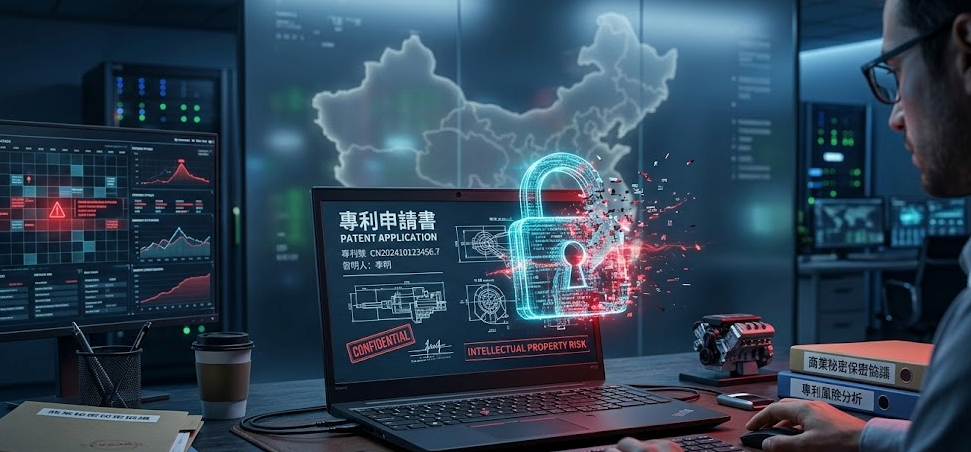
If you suspect infringement, you have options. China offers a dual-track enforcement system. You can pursue administrative action or civil litigation.
Administrative Enforcement
This path is handled by the China National Intellectual Property Administration (CNIPA) and local IP offices. It is fast and cost-effective.
The main goal here is to stop the infringing activity. Authorities can raid factories, seize goods, and impose fines. However, they cannot award financial damages to you. This is often the best first step to stop bleeding.
Civil Litigation
Filing a lawsuit in China's specialized IP courts is necessary if you want financial compensation.
The courts can issue injunctions and order the infringer to pay damages. The burden of proof is on you. You must provide notarized evidence of the infringement. This process is slower but provides a more permanent resolution and financial recovery.
Customs Enforcement
You can record your patents with Chinese Customs. If they detect infringing goods leaving or entering the country, they can detain the shipment.
This is a powerful tool for companies that face export-based infringement.
Enforcement Channels Overview
Why Contracts Are Your First Line of Defense

Many cases of "theft" are actually contract disputes. If your contract is governed by US law, it is virtually useless in China. You cannot easily enforce a New York court judgment in China.
The NNN Agreement
A standard NDA is not enough. You need an NNN agreement.
- Non-Use: Prevents the supplier from using your IP for their own gain.
- Non-Disclosure: Prevents them from sharing your IP with others.
- Non-Circumvention: Prevents them from selling directly to your customers.
These contracts must be written in Chinese as the governing language. They must be subject to Chinese jurisdiction. They should include specific monetary penalties for breach of contract. This makes the cost of stealing higher than the benefit.
👉 For more on drafting effective agreements, review our guide on IP Protection Clauses in Chinese Contracts.
5 Steps to Protect Your Patents in China
1. File Early and File in China
Do not wait. The moment you have a viable invention, file a patent application in China. If you have already filed in another country, check if you are within the 12-month priority period to extend that filing to China.
2. Conduct Due Diligence
Know who you are dealing with. Verify your partner's business license. Check if they have been involved in previous IP disputes. A simple background check can save millions.
3. Register Your IP with Customs
Record your patents and trademarks with the General Administration of Customs of China (GACC). This puts customs officials on the lookout for counterfeits.
4. Monitor the Market
Regularly search Chinese e-commerce platforms like Alibaba, Taobao, and JD.com for infringing products. Also monitor the patent gazette for suspicious filings by competitors.
5. Hire Local Experts
You need counsel who understands local laws and practices. A US lawyer cannot represent you in a Chinese court. You need a Chinese lawyer who specializes in IP law.
Learn more about finding the right representation in our article on Intellectual Property Lawyers in China.
Conclusion
The narrative of China stealing patents foreigner entities is a risk that can be managed. While bad actors exist, the Chinese legal system provides robust tools for protection. The companies that suffer the most are often those that fail to register their rights or rely on ineffective foreign contracts.
By understanding the "first-to-file" rule, securing strong local agreements, and utilizing both administrative and civil enforcement channels, foreign businesses can thrive in China.
Your intellectual property is safe only if you take the proactive legal steps to lock it down.
If you are dealing with a potential infringement issue, timely action is critical. Check our resources on China Patent Infringement for immediate steps.
FAQs About China Stealing Patents
Can I sue a Chinese company for patent theft?
Yes. You can sue a Chinese company for patent infringement in Chinese courts. Foreign companies have a high success rate in these lawsuits. You must have a valid patent registered in China to have standing to sue. Evidence preservation is the critical first step before filing any claim.
Does a US patent protect me in China?
No. Patents are territorial rights. A US patent only provides protection within the United States. To protect your invention in China, you must file a separate patent application with the China National Intellectual Property Administration (CNIPA).
What is the "first-to-file" rule in China?
China follows the first-to-file system. This means the patent right is granted to the first person who files the application. It does not matter who actually invented the technology first. This is why it is crucial to file your patent application as early as possible.
How long does a patent lawsuit take in China?
A civil patent litigation case in China typically takes between 6 to 18 months to reach a first-instance judgment. This is generally faster than patent litigation in the United States or Europe. Complex cases involving foreign parties may take longer.
Does my US or EU patent protect me in China?
No. A patent registered in the United States, European Union, or any other jurisdiction provides zero protection in mainland China. Separate registration with CNIPA is the only way to obtain enforceable patent rights within Chinese territory. Hong Kong, Macao, and Taiwan operate under separate IP systems as well.
Subscribe to receive updates
Subscribe to receive the latest blog posts to your inbox every week.