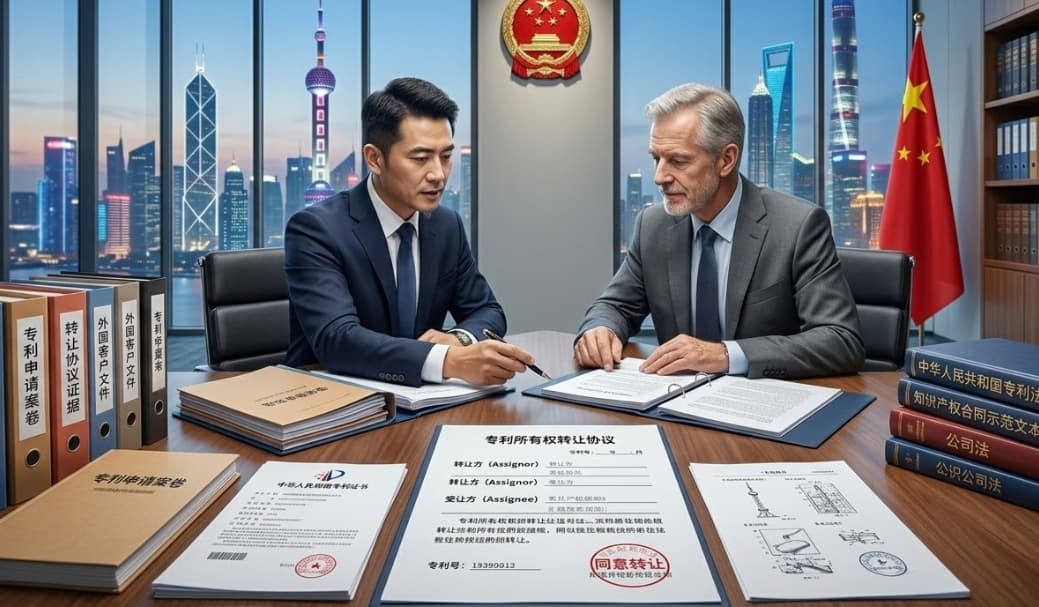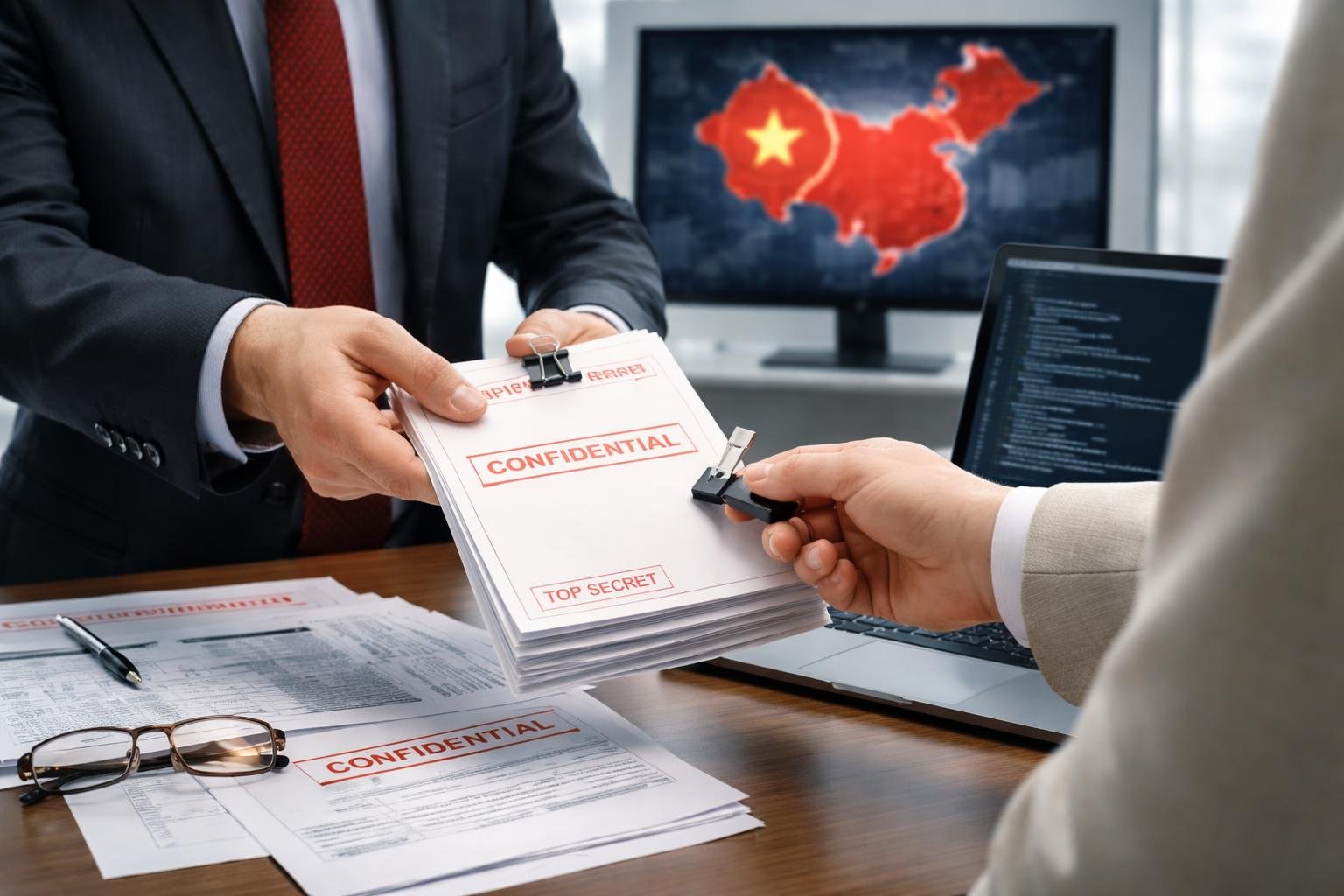
China IP theft is one of the most debated issues in global business and politics today. Governments, companies, and researchers often raise concerns about stolen trade secrets, hacked data, and forced technology transfers linked to China.
At the same time, China has strengthened its intellectual property laws and courts, creating a complex and sometimes confusing picture.
Understanding what China IP theft really means, how it happens, and what the impact is can help business owners, investors, and policymakers make smarter decisions. Keep reading to get a clear and practical look at the facts, risks, and legal options involved.
Key Takeaways
- China IP theft refers to alleged theft of trade secrets, patents, and other intellectual property connected to Chinese actors or entities.
- U.S. agencies estimate that IP theft costs the United States hundreds of billions of dollars annually, with China frequently identified as the leading source.
- Common methods include cyber espionage, insider theft, forced technology transfer, and counterfeiting.
- IP theft disputes have played a major role in the U.S. China trade war and export controls.
- Companies operating in China should use strong legal contracts and cybersecurity safeguards and may seek guidance from experienced firms such as Choi & Partners when facing disputes.
What China IP Theft Means in Global Business
China IP theft refers to claims that Chinese individuals, companies, or state backed groups acquire foreign intellectual property without permission. This can involve trade secrets, patented technology, copyrighted software, or brand designs.
Intellectual property is valuable because it represents years of research, money, and innovation. When it is copied or stolen, companies can lose their competitive advantage and future profits.
Types of Intellectual Property Often Involved in China IP Theft
The most common types include:
- Trade secrets such as formulas, source code, manufacturing processes, and client lists
- Patented technologies in semiconductors, aerospace, and biotech
- Copyrighted software and digital products
- Trademarks used in counterfeit consumer goods
Trade secrets are especially vulnerable because they depend on secrecy rather than public registration.
How China IP Theft Happens
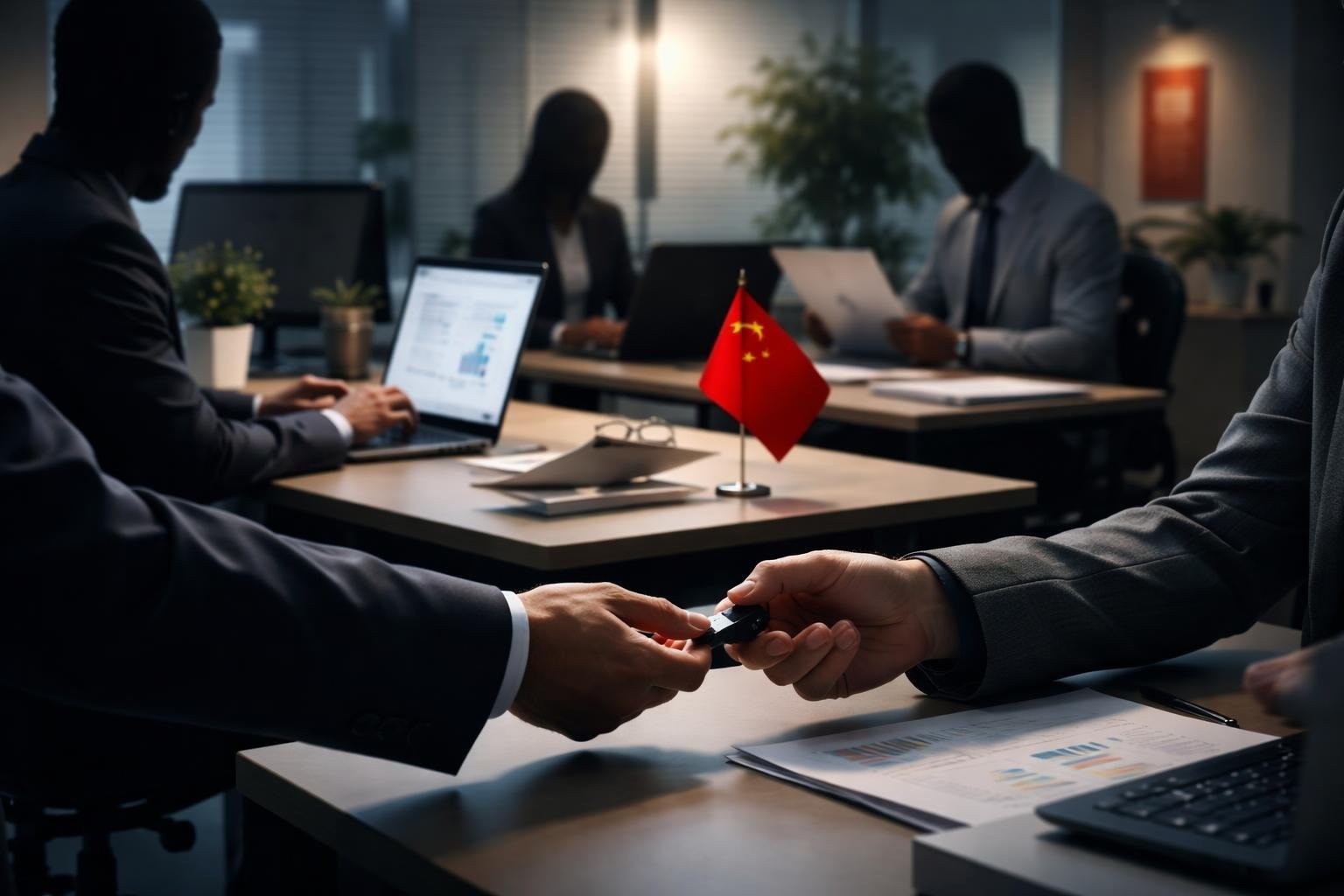
China IP theft can occur through multiple channels, ranging from cyber attacks to business partnerships. Understanding the methods helps companies reduce their risk.
State Sponsored Cyber Espionage
Cyber espionage is often highlighted in reports from U.S. agencies. These operations may target:
- Technology companies
- Defense contractors
- Universities and research labs
- Semiconductor manufacturers
Hackers may use phishing emails, malware, or network infiltration to access confidential data. Once inside, they can copy large amounts of information without being detected for months.
Insider Theft and Corporate Espionage
Not all China IP theft involves hacking. Insider threats are a major risk.
Examples include:
- Employees downloading trade secrets before leaving a company
- Researchers sharing confidential data with overseas institutions
- Contractors accessing sensitive supply chain information
Strong internal controls and employee agreements are essential to prevent this type of theft.
Forced Technology Transfer in China
Another common concern involves forced technology transfer. Some foreign businesses claim they must share proprietary technology to enter certain markets.
This may happen through:
- Joint venture requirements
- Licensing agreements tied to regulatory approval
- Administrative pressure
These practices were central to trade disputes between the United States and China.
Also read: China Forced Technology Transfer: What Foreign Investors Should Know
How Much China IP Theft Costs the United States
The financial impact of China IP theft is significant and often cited by government agencies. Estimates suggest losses in the hundreds of billions of dollars annually.
Economic Impact on Innovation and Jobs
When companies lose intellectual property, the damage goes beyond lost sales. The broader effects include:
- Reduced research and development investment
- Loss of high paying technical jobs
- Slower innovation cycles
- Decreased global competitiveness
Industries frequently mentioned in reports include semiconductors, artificial intelligence, pharmaceuticals, aerospace, and clean energy.
Real Cases Linked to China IP Theft

High profile criminal cases have shaped public perception of China IP theft. These cases often involve trade secret theft or economic espionage charges.
Trade Secret Theft Prosecutions
Authorities have prosecuted cases involving:
- Chip design and semiconductor manufacturing secrets
- Aerospace engineering data
- Proprietary battery technology
In some cases, individuals were accused of transferring confidential information to companies in China.
Counterfeit Goods and Online Piracy
China has long been associated with counterfeit goods. These include:
- Fake luxury items
- Counterfeit electronics
- Pirated software and media
China has taken steps to address counterfeiting, but enforcement challenges remain.
Does China Allow IP Infringement
China has modern intellectual property laws and specialized IP courts. On paper, the country recognizes patents, trademarks, and copyrights.
However, critics argue that enforcement can be inconsistent. Foreign companies sometimes report local protectionism or slow legal remedies.
China has made reforms in recent years, including higher penalties and improved court procedures. Businesses facing IP disputes in China should seek experienced legal advice, and firms such as Choi & Huang can provide guidance on navigating Chinese IP law and dispute resolution.
Also read: How to Protect My IP in China: A Practical Guide for Foreign Companies
China IP Theft and the U.S. China Trade War
China IP theft played a major role in escalating trade tensions between the United States and China. Official investigations concluded that certain Chinese practices harmed American intellectual property rights.
Section 301 Investigation Findings
The U.S. government conducted a Section 301 investigation that cited:
- Forced technology transfer
- Cyber enabled theft of trade secrets
- Discriminatory licensing restrictions
These findings led to tariffs on hundreds of billions of dollars in goods.
Export Controls and Technology Restrictions
In response to IP concerns, the United States imposed export controls on advanced technologies. These measures target:
- Semiconductor manufacturing equipment
- Advanced chips
- Artificial intelligence components
The goal is to limit sensitive technology transfer while protecting national security.
Why China IP Theft Is Seen as a National Security Risk
Intellectual property theft is not just a business issue. It can affect military strength and global power.
Military Civil Fusion Strategy
China’s military civil fusion policy encourages collaboration between civilian tech firms and the defense sector. This means that stolen commercial technology could potentially have military uses.
Dual use technologies such as AI, satellite systems, and advanced materials are especially sensitive.
Strategic Technology Goals
China has long term plans to lead in key sectors such as:
- Artificial intelligence
- 5G and telecommunications
- Semiconductor production
- Renewable energy
Control over intellectual property supports these ambitions.
How Businesses Can Protect Against China IP Theft
Companies that operate globally must take proactive steps to protect intellectual property. Prevention is far more effective than trying to recover stolen assets later.
Practical Safeguards for Companies
Businesses should consider:
- Strong cybersecurity systems and regular audits
- Clear trade secret protection policies
- Limited access to sensitive data
- Non disclosure and non compete agreements
- Careful drafting of joint venture contracts
Legal support is critical when drafting agreements or handling disputes. Choi & Huang assists businesses with IP protection strategies, contract review, and litigation in China.
Also read: IP Protection Clauses in Chinese Contracts: What You Must Include
Legal Options in China
China’s legal system allows foreign companies to file IP lawsuits. Specialized IP courts handle many of these cases.
Possible remedies include:
- Injunctions to stop infringement
- Monetary damages
- Seizure of counterfeit goods
Choosing the right legal approach depends on the facts of each case.
Also read: Liquidated Damages for IP Leakage in China: Legal Tools to Protect Your Business
Conclusion
China IP theft remains one of the most important and complex issues in global trade and technology policy. It affects businesses, governments, and industries that rely on innovation and protected intellectual property.
While China has strengthened its legal framework, disputes and enforcement concerns continue to shape international relations and trade policy.
Staying informed is essential for any company operating across borders. For more insights on intellectual property law and cross border disputes, explore helpful articles on China Legal Experts blogs and resources.
If you face an IP dispute or need guidance on protecting your business in China, consider reaching out to Choi & Huang for experienced legal advice and support.
Frequently Asked Questions About China IP Theft
Which country steals the most intellectual property?
There is no global ranking that officially names one country as the biggest IP thief. However, U.S. government reports frequently cite China as a leading source of state linked economic espionage. Other countries have also been accused of cyber theft and corporate espionage. The issue often depends on the type of theft and the reporting agency.
How much does China IP theft cost?
Estimates from U.S. agencies suggest that IP theft costs the United States hundreds of billions of dollars per year, with China frequently identified as the leading source. These figures include lost sales, reduced innovation, and job losses. Exact numbers are difficult to verify because theft is often hidden. The overall economic impact is considered significant.
Does China allow IP infringement?
China has laws that protect patents, trademarks, and copyrights. The country also has specialized intellectual property courts. However, critics argue that enforcement can vary by region and case. Reforms in recent years aim to improve protection and increase penalties.
Can China survive without USA trade?
China and the United States have deeply connected economies. Both countries rely on trade, investment, and supply chains. A complete break would likely harm both sides. Technology restrictions and trade tensions have already reshaped parts of the relationship.
What country is #1 in crime?
Crime rankings depend on how crime is measured and reported. General crime statistics are separate from intellectual property theft or economic espionage. IP theft is usually categorized as a financial or cybercrime rather than street crime. Comparing overall crime rates to IP theft can be misleading.
Subscribe to receive updates
Subscribe to receive the latest blog posts to your inbox every week.