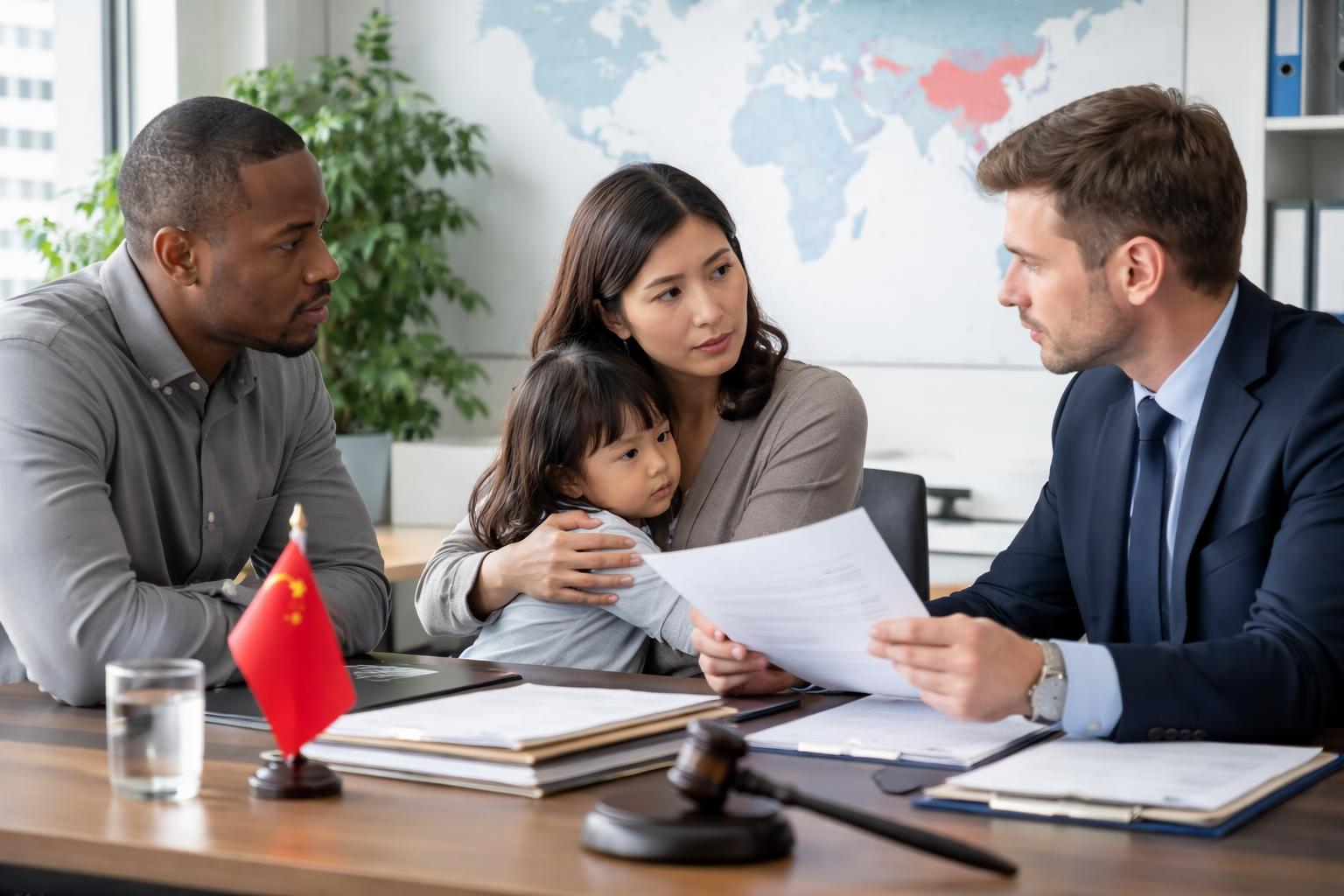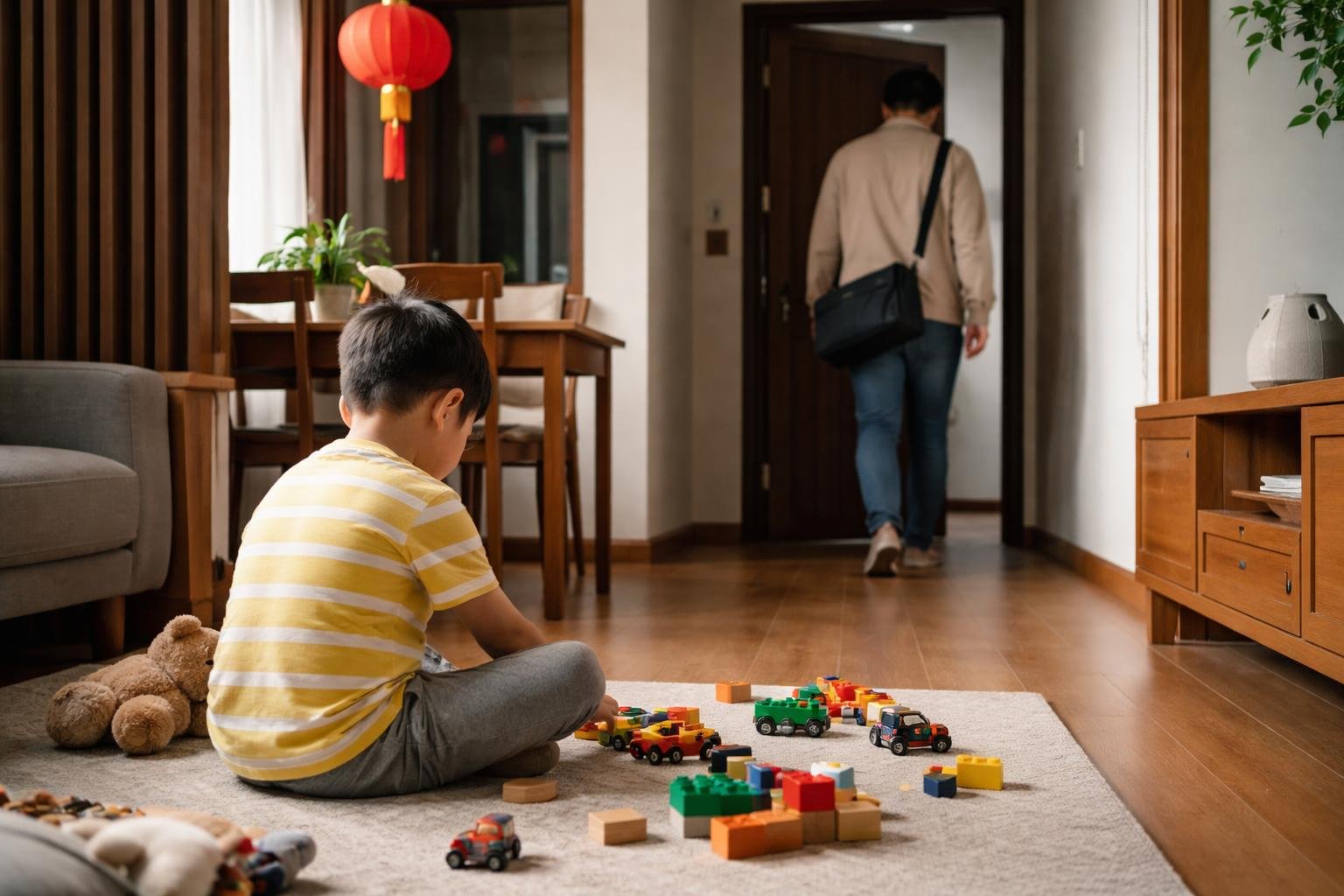
Parenting in China comes with a unique set of challenges, and one question that comes up more often than you might expect is whether it is okay to leave a child home alone.
China has a detailed legal framework that governs child supervision, and the rules are stricter than many parents realize.
Understanding these laws is not just about staying out of trouble. It is about keeping children safe in a country where millions of families face real pressures around work, migration, and caregiving.
Read on to get a clear, honest breakdown of everything you need to know about leaving minors unattended in China.
Key Takeaways
- China's Law on the Protection of Minors (2020) places legal responsibility for child supervision squarely on parents and guardians
- There is no single national age cutoff for leaving a child alone, but experts recommend children under 10 should never be left unsupervised
- Parents who negligently leave minors unattended can face warnings, civil affairs intervention, or even criminal liability
- China's left-behind children crisis affects tens of millions of children and represents the largest scale of child supervision failure in the country
- If you are dealing with a legal issue related to child welfare or guardianship in China, Choi and Partners can provide experienced legal guidance
What Chinese Law Says About Leaving Minors Unattended
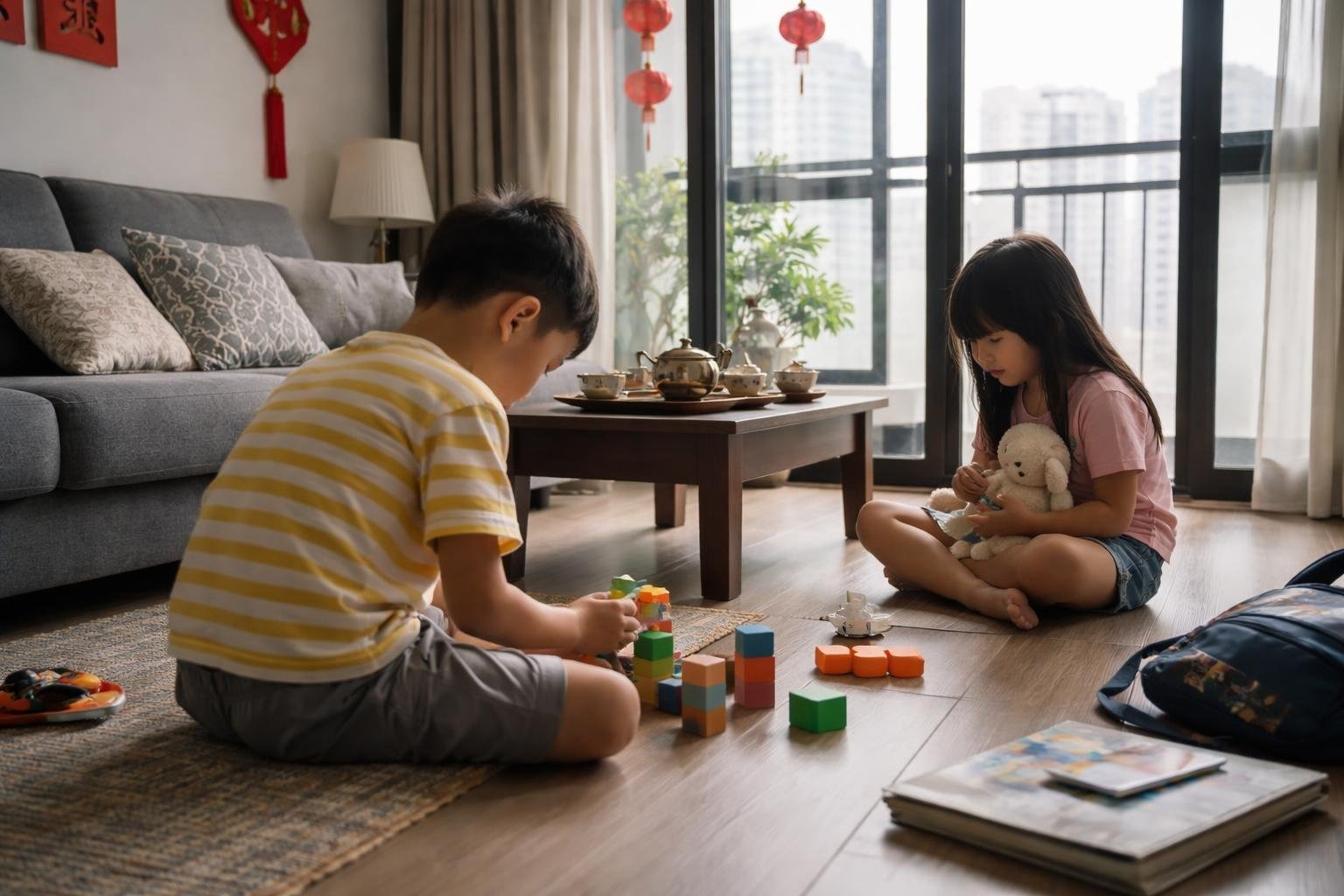
China does not leave child safety up to guesswork. The Law of the People's Republic of China on the Protection of Minors (2020 Amendment), which took effect on June 1, 2021, is the main legal document that sets the rules for how children must be protected and supervised across the country.
The Minor Protection Law and What It Covers
This law is comprehensive and covers nearly every environment a child might be in. Here is a quick look at its key chapters and what they address:
- Chapter I: General Provisions covers the overall principles of child protection
- Chapter II: Family Protection outlines what parents and guardians are legally required to do at home
- Chapter III: School Protection covers responsibilities of teachers and educational institutions
- Chapter IV: Social Protection focuses on the community's role in child safety
- Chapter V: Online Protection addresses digital risks and platform obligations
- Chapter VI: Government Protection defines government duties in child welfare
- Chapter VII: Judicial Protection covers legal proceedings involving minors
- Chapter VIII: Legal Responsibility lays out the consequences for violations
- Chapter IX: Supplemental Provisions covers additional implementation details and transitional rules
Family Protections and Parental Duty Under the Law
Chapter II is the most relevant chapter for parents wondering about leaving minors unattended in China. Under this chapter, parents and legal guardians are legally required to:
- Provide a safe and stable home environment
- Ensure minors are never placed in dangerous or neglectful situations
- Take active responsibility for a child's physical safety, emotional wellbeing, and education
- Arrange proper supervision when they are unable to be present themselves
Legal responsibility does not disappear just because a parent steps out temporarily. If something happens to a child who was left alone without appropriate arrangements, the parent is held accountable under Chinese law.
Also read: How to Get Full Custody of a Child as a Mother
The Age Question: When Can a Child Be Left Alone in China?
This is the question most parents are really asking when they search for information about leaving minors unattended in China. The honest answer is that Chinese national law does not state a single minimum age, which leaves many families unsure of where the line is.
What Child Welfare Experts in China Recommend
While there is no hard legal cutoff written into national law, while no single official document sets these age thresholds, Chinese child welfare professionals and pediatric experts broadly recommend the following as a practical guide based on a child's developmental stage:
- Under 6 years old: Should never be left alone, even for a few minutes
- Ages 6 to 10: Should not be left without a responsible adult nearby
- Ages 10 to 14: May be left briefly in a safe environment with clear emergency instructions in place
- Ages 14 to 18: Can handle more independence, but parents remain legally responsible until the child turns 18
Courts and civil authorities assess each situation individually, taking into account the child's age and maturity, the length of time they were left alone, the level of risk in the home environment, and whether any emergency arrangements were made.
Also read: Guardianship in China: Understanding Laws and Regulations
Can a 16-Year-Old Live Alone in China?
A 16-year-old in China can function with a fair amount of independence, but parents and guardians remain legally responsible for their wellbeing until the child turns 18.
One common and socially accepted arrangement is living in a school dormitory, where supervision is provided by school staff. This is legally distinct from a minor living completely unsupervised with no responsible adult arrangement.
It is also worth noting that under Article 18 of China's Civil Code, a minor aged 16 to 17 who is financially self-supporting through their own labor may be treated as having full civil capacity in certain legal situations, though this does not eliminate overall parental responsibility. In short, independence grows with age, but legal parental duty does not end at 16.
Real Consequences of Leaving Minors Unattended in China
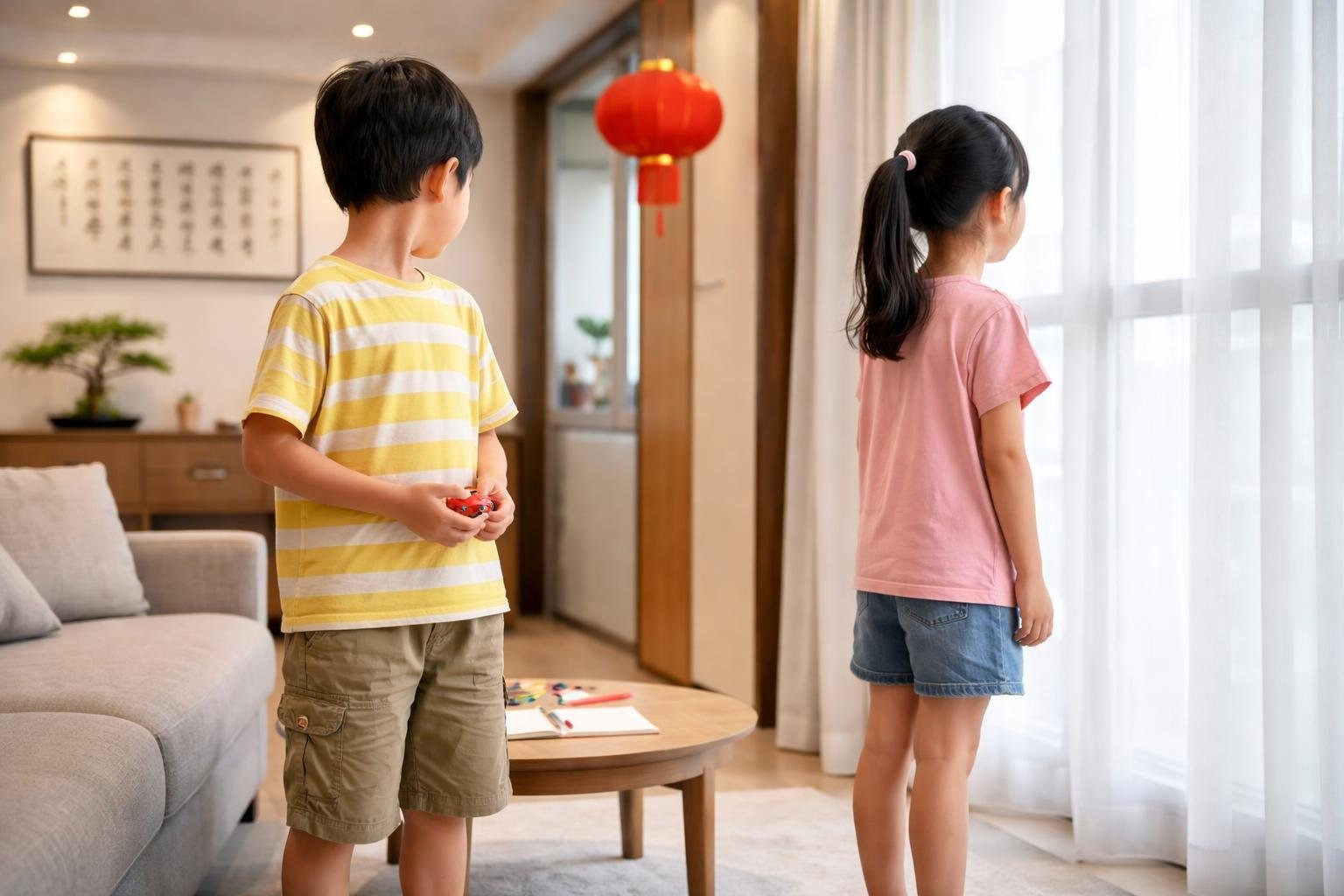
The risks of leaving minors unsupervised in China are both physical and legal. Understanding these consequences is important for every parent and guardian living in or relocating to China.
Physical Dangers for Unsupervised Children
Unsupervised children in China face a range of preventable hazards, particularly in high-rise urban apartments and rural homes with limited safety infrastructure:
- Kitchen fires and gas-related accidents
- Falls from windows and balconies in high-rise buildings
- Electrical hazards and accidental poisoning
- Traffic accidents when children leave home without adult accompaniment
Chinese child safety organizations have documented thousands of preventable injuries tied to inadequate supervision, making this a very real, not just theoretical, concern.
Legal Consequences Parents and Guardians Can Face
When authorities determine that a child was negligently left unattended, the response escalates depending on the severity of the situation. While the law does not formally number these responses, they generally follow this progression in practice:
- Level 1: A formal warning is issued and parental counseling is required
- Level 2: Civil affairs departments get involved, and a supervision order may be placed on the family
- Level 3: The child may be temporarily removed and a full guardianship review is conducted
- Level 4: In cases of serious harm caused by abandonment or gross neglect, parents can face criminal charges
Chapter VIII of the Minor Protection Law provides the legal basis for these enforcement actions. If you are facing any guardianship dispute or child welfare legal issue, Choi and Huang offers knowledgeable legal support for families navigating China's legal system.
Online Risks for Unsupervised Minors
The 2020 update to the Minor Protection Law gave significant attention to digital safety for children. Under Chapter V, and further reinforced by the 2021 regulations issued by the National Press and Publication Administration (NPPA), Chinese law now requires:
- Minors are restricted to only 1 hour of online gaming per day on weekdays and up to 3 hours total on weekends and public holidays, only between 8 PM and 9 PM on permitted days
- Real-name verification on platforms used by minors
- Mandatory parental control tools on apps and platforms
- Platform accountability for exposing minors to harmful content
Without adult supervision, children can easily bypass these restrictions and be exposed to content or people that put them at serious risk.
Left-Behind Children in China: A National Crisis Rooted in Supervision Gaps
Left-behind children represent the most widespread and serious form of leaving minors unattended in China. This is not a fringe issue. It is a deeply embedded social crisis that affects tens of millions of families.
What Are Left-Behind Children?
Left-behind children, known in Chinese as 留守儿童 (liúshǒu értóng), are children whose parents migrate to urban areas for work and leave their kids behind in rural areas.
These children are typically cared for by grandparents or other relatives, and in some cases, they are left with little to no adult supervision at all.
Estimates of left-behind children in China vary widely depending on the definition used, ranging from around 9 million under strict official government counts to over 60 million under broader measures used by UNICEF and academic researchers. By any measure, it remains one of the most significant child welfare challenges in the world.
Why So Many Parents Leave Their Children Behind
Several systemic pressures make it extremely difficult for migrant parents to bring their children to the city with them:
- The hukou (户口) household registration system restricts access to urban public schools for children of migrant workers. While some cities have introduced partial reforms in recent years to ease enrollment restrictions, systemic barriers remain in place for the majority of migrant families across the country.
- The 996 work culture (working 9 AM to 9 PM, 6 days a week) leaves parents with almost no time or energy for active childcare
- High urban living costs make supporting an entire family in the city financially out of reach for many migrant workers
These are not choices parents make lightly. They are the result of structural barriers that push families apart.
The Real Impact on Children Left Without Supervision
The consequences for children left behind are well-documented and serious:
- Higher rates of depression, anxiety, and loneliness
- Increased vulnerability to abuse, exploitation, and trafficking
- Lower academic performance and higher dropout rates
- Long-term emotional and social development challenges
The Chinese government has introduced programs to address this, including mandatory registration systems for left-behind children in rural schools, community care centers in high-migration provinces, and legal reforms encouraging migrant family reunification through Chapters VI and VII of the Minor Protection Law.
Practical Tips for Parents and Caregivers in China
Before leaving a child home alone, every parent should honestly assess the situation. A few important questions to ask include whether the child is mature enough to handle an emergency calmly, whether hazards in the home like gas and electricity have been secured, whether the child knows emergency numbers (110 for police and 120 for ambulance), and how long the child will realistically be alone.
Safe Supervision Alternatives Available in China
If leaving a child alone is unavoidable, there are reliable options available:
- After-school care programs (托管班, tuōguǎn bān): Widely available in Chinese cities and designed for working parents
- Grandparent and extended family care: A deeply embedded cultural norm and often the most practical choice
- Licensed childcare centers: Available for younger children in most urban areas
- Community-based programs: Especially valuable in rural areas and for families affected by migration
Conclusion
Leaving minors unattended in China is a topic that touches on law, culture, family structure, and child safety all at once.
Whether you are a parent trying to make the right call on a busy day or someone trying to understand China's child welfare system more deeply, the key message is clear: Chinese law takes child supervision seriously, and so should every parent and guardian.
For more helpful guides on child welfare law, family legal issues, and other legal topics in China, the China Legal Experts blog and resources are a great place to continue learning.
And if you ever find yourself dealing with a legal dispute, guardianship concern, or any other legal challenge in China, Choi and Huang is a trusted firm with the experience to help you navigate it with confidence.
Frequently Asked Questions About Leaving Minors Unattended in China
What is the 4-2-1 rule in China?
The 4-2-1 structure refers to the family dynamic that became common after decades of the one-child policy: 4 grandparents, 2 parents, and 1 child. In practice, this means grandparents often take on primary childcare responsibilities, especially when both parents work demanding schedules.
What happens if you have twins in China?
Having twins is completely legal and does not result in penalties. China's family planning policies focused on limiting births per pregnancy, not punishing naturally occurring multiple births. Twins are treated the same as any other children under the Minor Protection Law.
What is the 3-hour rule in China?
The "3-hour rule" is not a nationally codified law but refers to informal guidelines and regional advisories suggesting that young children should not be left alone for more than 3 hours at a stretch. It is used as a practical benchmark by some local authorities and child welfare organizations.
What are the Three Forbidden T's in China?
The Three T's refer to Taiwan, Tibet, and Tiananmen, which are politically sensitive topics heavily restricted in public discourse in China. This is unrelated to child supervision but is a commonly searched question about Chinese regulations.
Subscribe to receive updates
Subscribe to receive the latest blog posts to your inbox every week.