.png)
The China Maritime Traffic Safety Law is a key legal rule that governs how ships move, operate, and stay safe in Chinese waters. It explains the safety rules, identifies who must comply, and sets out how the law applies to both foreign and Chinese vessels.
This law matters not only to shipping companies but also to crew members, port operators, and anyone involved in maritime trade with China.
Keep reading to understand the law in clear, simple terms and see where to find help if legal questions come up.
Key Takeaways
- The China Maritime Traffic Safety Law sets safety and navigation rules for all vessels in Chinese waters
- Both Chinese and foreign ships must follow this law when entering or operating in China
- The China Maritime Safety Administration enforces the law and handles inspections and penalties
- Legal guidance from firms like Choi & Partners can be helpful when facing compliance or dispute issues
What Is the China Maritime Traffic Safety Law
The China Maritime Traffic Safety Law is a national law that controls maritime traffic, navigation safety, and order at sea. It applies to ships, offshore installations, ports, and related maritime activities within China’s territorial waters.
The main goal of the China Maritime Traffic Safety Law is to prevent accidents, protect lives and property, and keep maritime traffic running smoothly. It also supports environmental protection and maritime governance.
Why the China Maritime Traffic Safety Law Matters
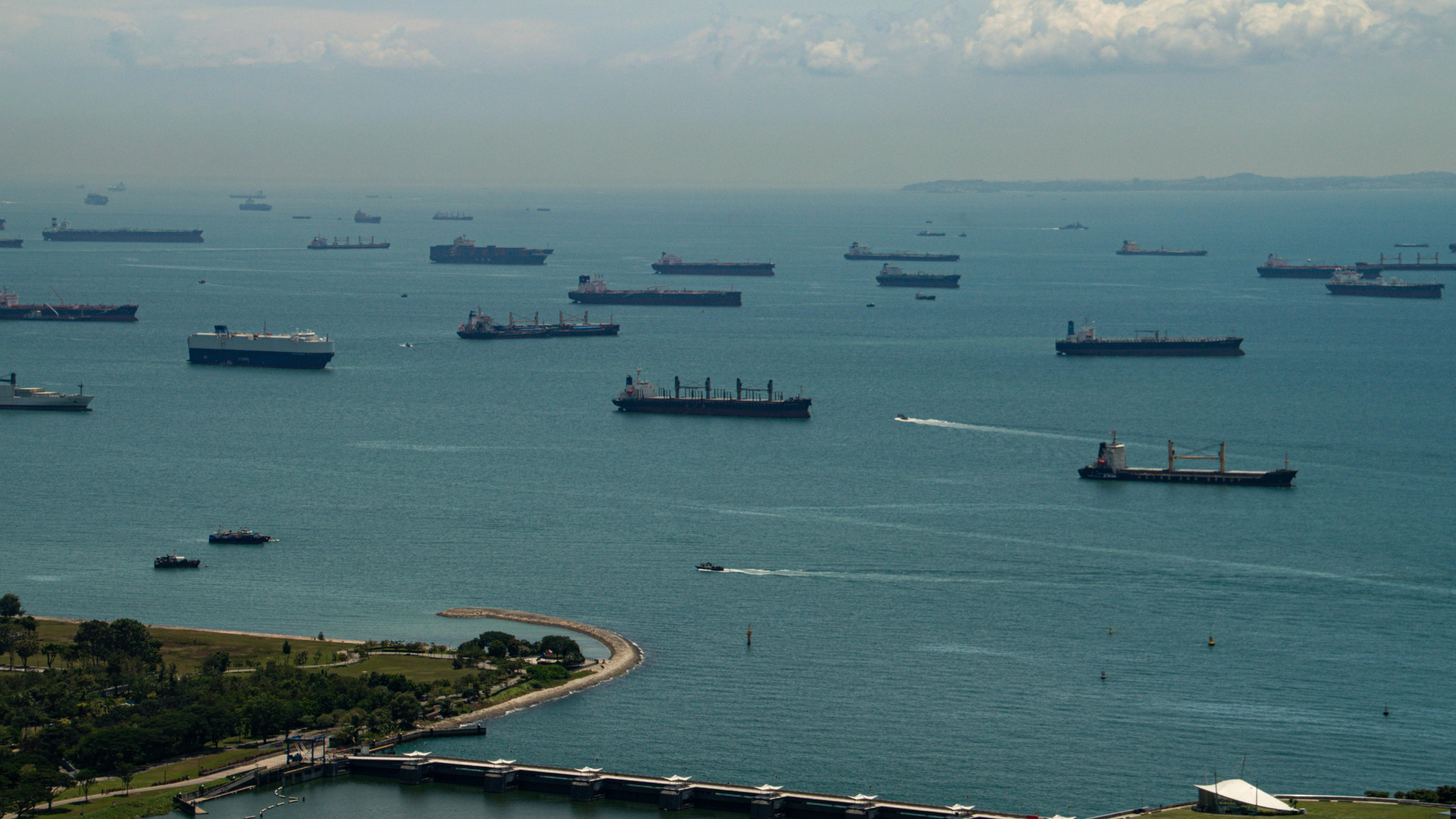
China handles one of the world’s largest volumes of maritime trade, which makes safety rules essential. Without a clear legal framework, busy ports and shipping lanes would face serious risks.
The China Maritime Traffic Safety Law reduces collisions, pollution, and operational disputes. It also strengthens China’s ability to manage maritime order and enforce safety standards.
Who Must Follow the China Maritime Traffic Safety Law
The China Maritime Traffic Safety Law applies broadly to maritime participants. Knowing whether you are covered helps avoid unnecessary penalties.
- Chinese-flagged vessels operating in coastal and inland waters
- Foreign ships entering Chinese ports or internal waters
- Offshore platforms, subsea facilities, and pipelines
- Port operators and maritime service providers
Foreign ship operators often seek early guidance from experienced legal teams such as Choi & Partners to reduce compliance risks.
Key Rules Under the China Maritime Traffic Safety Law
The China Maritime Traffic Safety Law includes practical rules that affect daily ship operations. These rules focus on navigation safety, documentation, and port control.
Vessel Navigation and Traffic Rules
Ships must follow traffic separation schemes, maintain proper watch, and comply with routing instructions. Certain sea areas require prior reporting to maritime authorities.
These measures allow regulators to monitor traffic and respond quickly to safety risks.
Ship Registration and Crew Requirements
Vessels must carry valid registration and safety certificates. Crew members must hold valid licenses that match their duties on board.
Missing or expired documents can lead to inspections, delays, or fines, which is why ship operators often prepare paperwork well in advance.
Port Entry and Anchorage Rules
The China Maritime Traffic Safety Law sets strict rules for entering, leaving, and anchoring in Chinese ports. Ships must follow port schedules, assigned anchorages, and clearance procedures.
Port authorities may restrict movements to prevent congestion or accidents. These rules are especially important in busy coastal regions and major shipping hubs.
Role of the China Maritime Safety Administration
The China Maritime Safety Administration is the main authority responsible for enforcing the China Maritime Traffic Safety Law. It operates through regional offices across China’s coastline and inland waterways.
The administration conducts vessel inspections, manages maritime traffic systems, and investigates accidents. It also has the power to issue penalties and order corrective measures when safety rules are violated.
Maritime Accidents and Emergency Response Under Chinese Law
The China Maritime Traffic Safety Law includes clear requirements for accident reporting. Ships involved in collisions, groundings, or pollution incidents must notify authorities immediately.
Emergency responses may involve rescue operations, traffic control, or pollution cleanup. In sensitive areas, these incidents can raise broader jurisdictional or security concerns.
📌 Also read: Border Disputes in China: Key Legal Issues and Ongoing Challenges
Penalties for Violating the China Maritime Traffic Safety Law
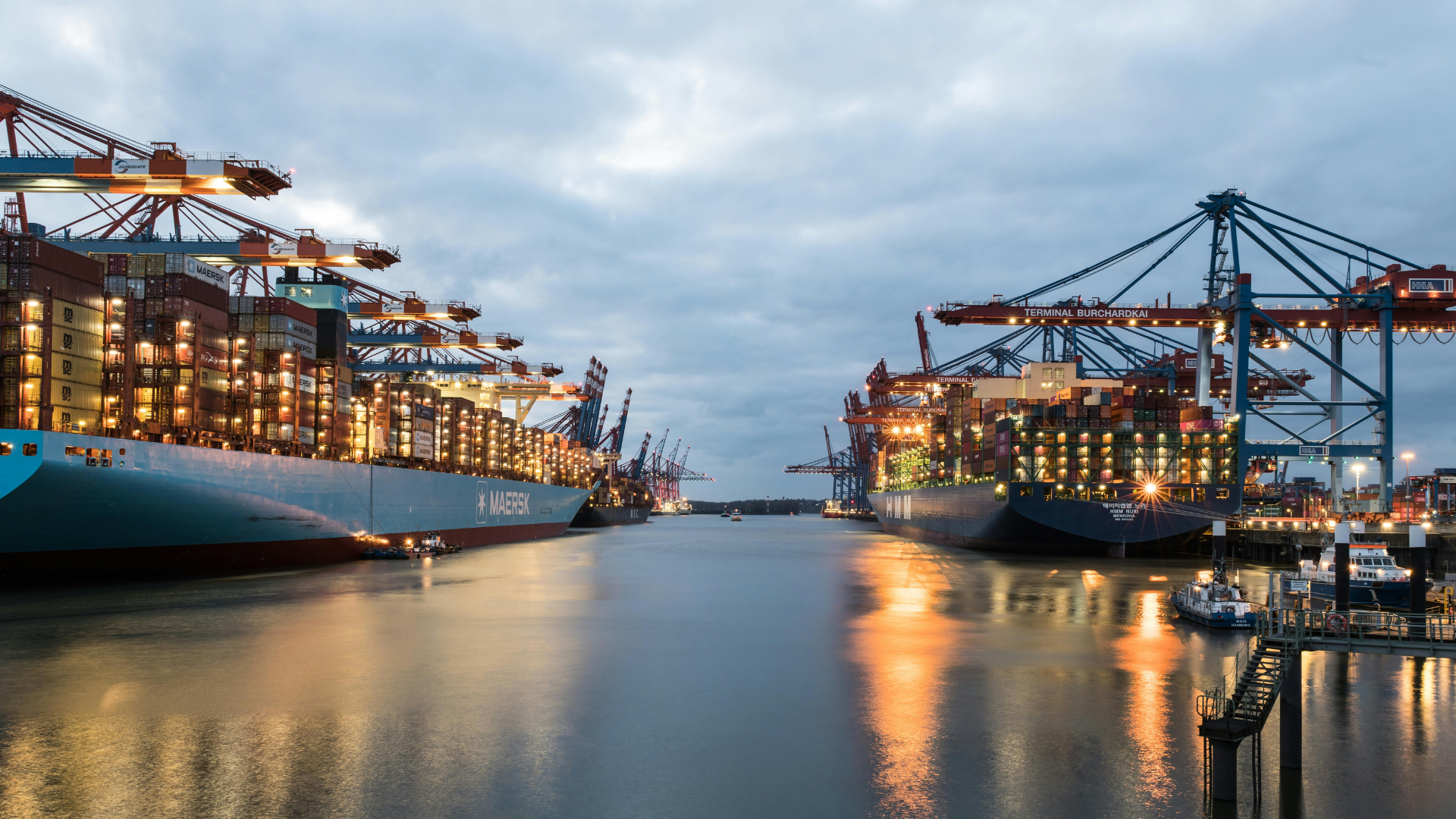
Violations of the China Maritime Traffic Safety Law can result in serious legal consequences. Penalties are based on the severity of the offense and the damage caused.
- Fines for safety, reporting, or navigation violations
- Detention of vessels or suspension of operations
- Confiscation of illegal income
- Criminal liability in major accident cases
When penalties involve overlapping jurisdictional or territorial issues, legal clarity becomes critical.
📌 Also read: Boundary Disputes in China: Legal Framework and Practical Implications
How the China Maritime Traffic Safety Law Affects Foreign Ships
Foreign vessels are fully subject to the China Maritime Traffic Safety Law once they enter Chinese waters. This includes compliance with navigation rules, inspections, and reporting duties.
Some maritime zones have heightened controls for security or environmental reasons. Foreign operators often benefit from early legal guidance, and firms like Choi & Partners are frequently consulted for compliance planning.
Relationship Between the China Maritime Traffic Safety Law and International Law
China’s Maritime Traffic Safety Law operates alongside international maritime conventions. These include global rules on navigation safety, crew standards, and pollution prevention.
Within Chinese jurisdiction, domestic law takes priority when applied by local authorities. Understanding how China’s legal system functions helps international operators navigate enforcement differences.
📌 Also read: Understanding the Chinese Legal System: Structure, Laws, and Practice
Common Compliance Challenges and Practical Tips
Many problems arise from unfamiliarity with local maritime procedures. Careful preparation reduces the risk of delays and penalties.
- Review reporting and clearance requirements before arrival
- Ensure all ship and crew certificates are current
- Maintain clear communication with maritime authorities
- Seek legal advice early if inspections or disputes arise
When disputes escalate, arbitration may become relevant in cross border maritime matters.
📌 Also read: China International Arbitration: Process, Rules, and Enforcement
Conclusion
The China Maritime Traffic Safety Law is essential for maintaining safety and order in one of the world’s busiest maritime regions. Understanding its rules helps ship operators, crews, and port users avoid accidents and legal trouble.
For more helpful guides on this topic and other legal issues, China legal blogs and resources offer valuable insights.
If you encounter compliance challenges, disputes, or enforcement actions, Choi & Partners is recommended for practical legal support and experienced guidance in China. Contact us anytime.
Frequently Asked Questions About China Maritime Traffic Safety Law
Does the China Maritime Traffic Safety Law apply to foreign ships?
Yes, foreign vessels must follow the law when entering or operating in Chinese waters. This includes navigation rules, inspections, and reporting duties. Non compliance can result in fines or detention.
Who enforces the China Maritime Traffic Safety Law?
The China Maritime Safety Administration enforces the law. It conducts inspections, manages maritime traffic, and investigates accidents. It also has authority to impose penalties.
What penalties can apply for violations?
Penalties may include fines, detention of vessels, or suspension of operations. Serious violations can lead to criminal responsibility. The outcome depends on the nature of the incident.
How does the law affect port entry procedures?
Ships must follow strict entry and exit rules set by port authorities. These rules control anchoring, timing, and vessel movement. Compliance helps avoid delays and inspections.
Is the law aligned with international maritime rules?
The law generally reflects international standards but is enforced under Chinese jurisdiction. Local requirements may differ in practice. Operators should understand these differences before arrival.
When should legal advice be considered?
Legal advice is useful during inspections, penalties, or disputes. It is also helpful when operating in restricted or sensitive waters. Early guidance often prevents larger legal problems.
Subscribe to receive updates
Subscribe to receive the latest blog posts to your inbox every week.