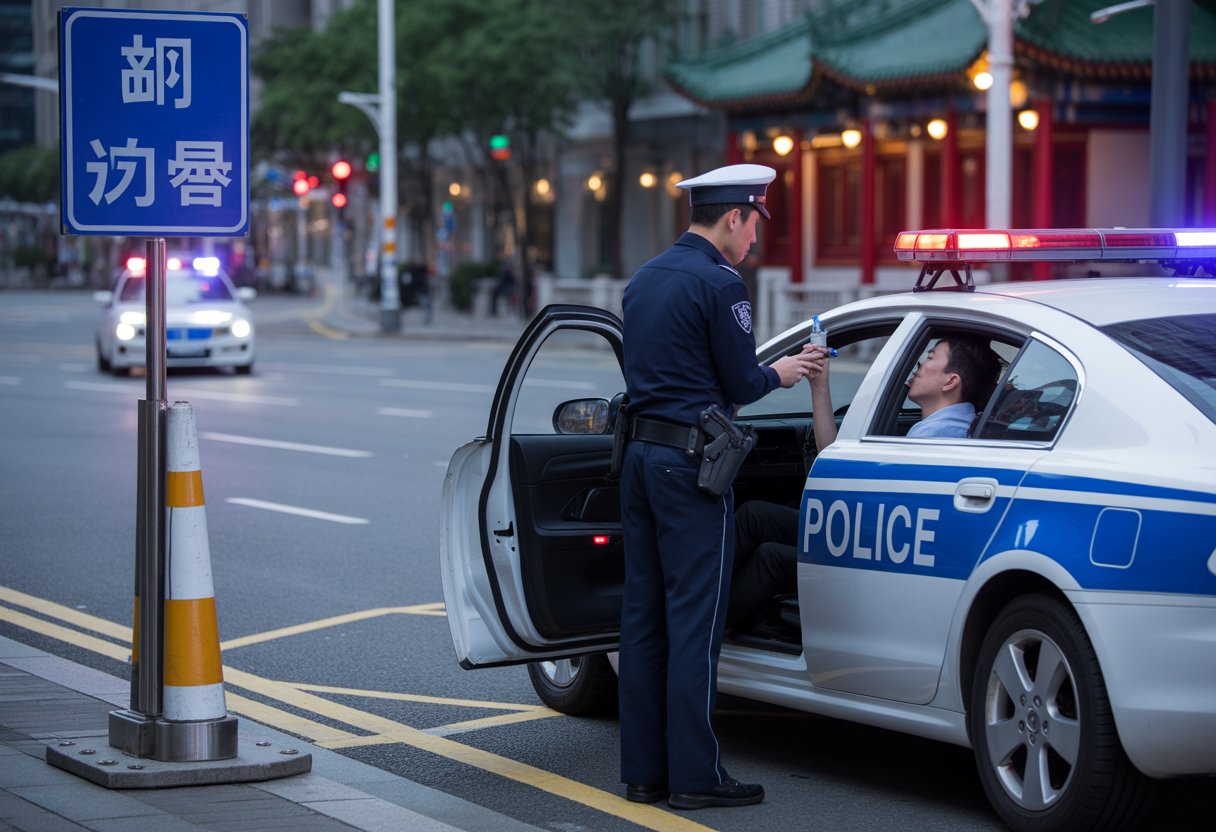
Driving in China comes with strict rules, and alcohol can put you in serious trouble fast. Even one drink can put you over the legal limit. Police enforce drunk driving rules with frequent stops and breath tests.
China’s DUI laws allow almost no alcohol, with a legal BAC limit of 0.02% and criminal charges at 0.08% or higher. At these levels, you can face arrest, fines, license loss, and jail time. These penalties apply to locals and foreigners, and courts treat violations as traffic safety crimes.
If you plan to drive, you need to know how testing works and what happens after a stop. One mistake can affect your record, your insurance, and your right to drive in China.
Key Takeaways
- China sets very low BAC limits for drunk driving and DUI offenses.
- Police use strict testing and enforce strong penalties for violations.
- DUI convictions can lead to jail, license loss, and long-term impacts.
Legal Definitions and DUI Classifications in China
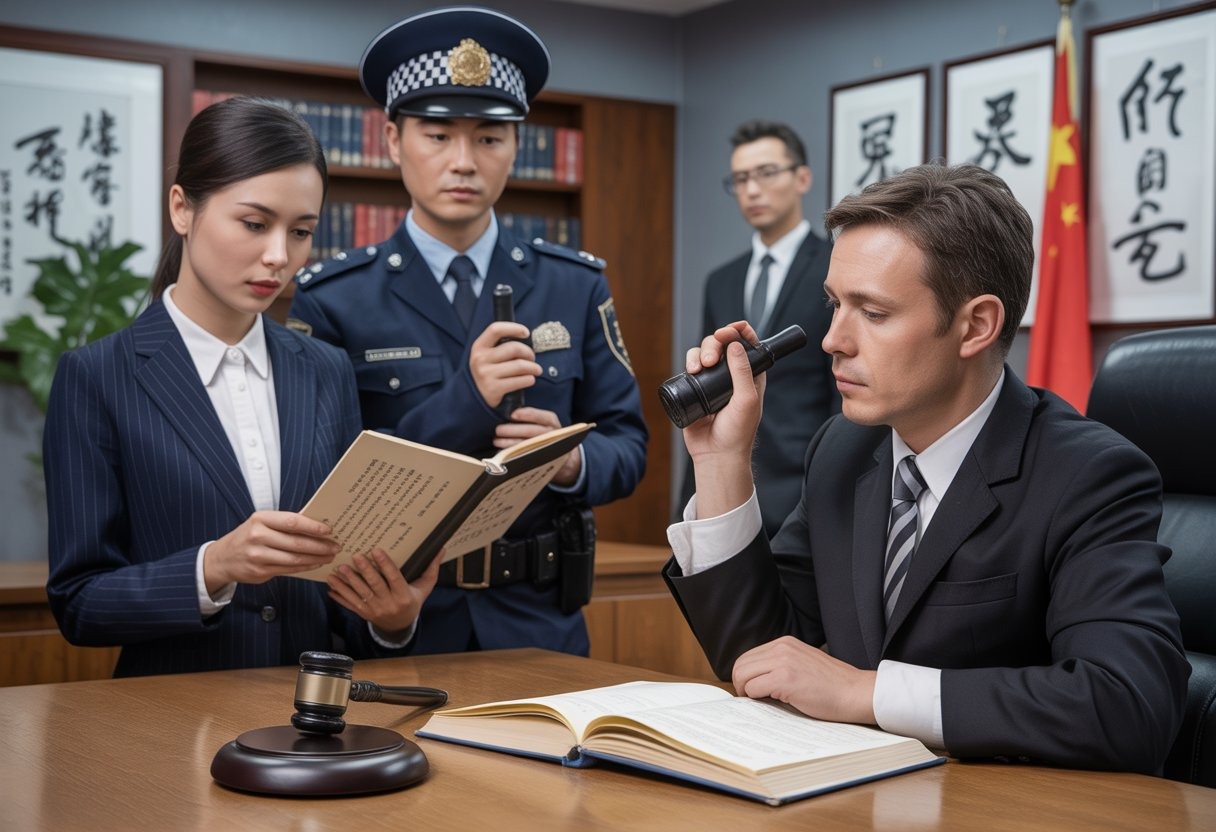
China uses clear legal terms and strict alcohol limits to control drink driving. The law separates administrative violations from criminal offenses based on your blood alcohol concentration and driving behavior.
DUI and Drunk Driving Distinctions
China does not use one broad DUI label. The law splits alcohol-related driving into two types with different legal results.
- Driving After Drinking (DAD / 酒驾): You drive after alcohol but stay below the criminal threshold. This counts as an administrative traffic violation.
- Driving While Intoxicated (DWI / 醉驾): You drive with a high alcohol level. This counts as a criminal offense under criminal law.
Police treat both as serious. The key difference is criminal liability. Once your case meets the DWI standard, the police handle it as a crime, not a traffic ticket.
This system focuses on measured alcohol levels, not intent. Even careful driving does not remove liability if your alcohol level is too high.
Blood Alcohol Content (BAC) Standards
China uses strict BAC limits measured in mg per 100 ml of blood. Police may also use breath alcohol concentration, which follows the same thresholds.
You can reach 20 mg/100 ml after a small amount of alcohol. The limit sits much lower than in many countries.
Police often test your breath at the roadside. If results matter for a case, they may confirm them with a blood test. Refusing a test does not protect you and can worsen the outcome.
Drunk Driving Crime Classification
Once your BAC reaches 80 mg/100 ml, the law treats drunk driving as a crime. Article 133-1 of China’s Criminal Law covers this offense.
You face criminal charges even if you cause no crash or injury. The law focuses on risk, not just harm.
Certain factors raise the severity of the case, such as:
- Driving a school bus or commercial vehicle
- Repeat drink driving
- Causing an accident or injuries
Court penalties apply nationwide with little variation.
To see how behavior can impact your legal record, also read our guide: What is China’s Point System? Understanding Social Credit System in China.
BAC Limits and Testing Procedures
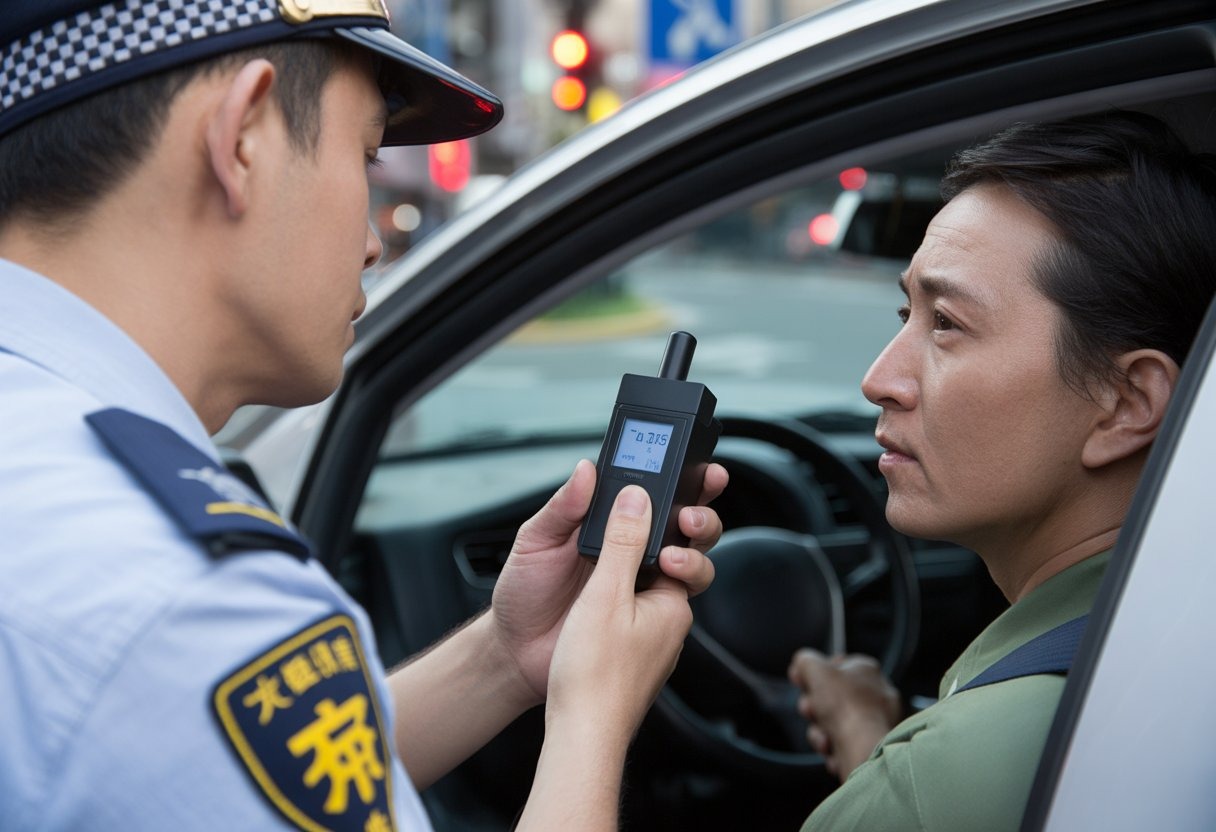
China sets clear BAC limits and enforces them through frequent roadside checks. Law enforcement uses breath tests, confirms results when needed, and applies strict rules once your engine is running.
BAC Limits for Private Drivers
China uses two BAC limits for private drivers based on breath alcohol concentration or blood results. The law treats these levels differently under traffic legislation.
If you reach 0.02%, you already break the law. Police can suspend your license and issue fines. At 0.08%, the case becomes criminal. You may face detention, court action, and a long driving ban.
Police usually start with a breath test. If you question the result, they can order a blood test at a hospital. Blood results carry more legal weight.
Zero Tolerance for Commercial Vehicles
Commercial drivers face zero tolerance rules. This applies to buses, taxis, ride-hailing cars, trucks, and school vehicles.
Any detected alcohol can lead to penalties. Even a low reading below 0.02% can trigger license action.
Authorities treat these cases strictly because you carry passengers or cargo.
If your engine is running and you control the vehicle, police can count it as driving. This rule applies even if the vehicle does not move.
Employers also face penalties. Companies must report violations and may lose operating permits under current legislation.
Random Breath Testing and Checkpoints
Police run random breath tests at roadside checkpoints. You do not need to commit a traffic offense first. Law enforcement has legal authority to stop you for testing at any time.
Officers use handheld breath devices for quick screening. The process takes seconds. If the device shows alcohol, they repeat the test to confirm.
Refusing a test can lead to serious penalties. Police may treat refusal as a violation on its own. If results remain unclear, officers can require a blood draw.
These checkpoints operate day and night, especially on holidays and weekends.
DUI enforcement often involves data collection and monitoring by authorities. For a better understanding of how your information is handled, learn more in our article, Chinese Cybersecurity Law and Regulations: What You Need To Know.
Legal Penalties and Sentencing for DUI
China applies strict DUI laws with clear lines between administrative and criminal punishment. Your blood alcohol level, driving history, and the harm you cause decide the outcome. Penalties often include fines, detention, license loss, and long driving bans.
Administrative Penalties for DUI
If you drive after drinking but stay below the criminal limit, the law treats the case as an administrative offense. This usually applies when your blood alcohol content (BAC) is 0.02% to 0.08%.
You face a fine, a temporary license suspension, and possible short-term detention. Police can also record the offense in your driving history.
Common penalties include:
- Fine: about 1,000–2,000 RMB
- License suspension: up to 6 months
- Detention: up to 10 days in some cases
If police catch you again within a short time, penalties increase fast. A repeat offense can lead to license revocation, not just suspension.
Criminal Penalties for Drunk Driving
Once your BAC reaches 0.08% or higher, Chinese criminal law treats the act as a crime. Police will arrest you, and prosecutors can file criminal charges even if no crash occurs.
You may receive criminal detention, a fine, and a mandatory driving ban. Courts often act quickly in these cases.
Standard criminal penalties include:
If you drive for work, such as a taxi or truck, the law can impose a lifetime ban from commercial driving.
Aggravated Offenses and Consequences
Some DUI cases trigger heavier punishment due to higher risk or harm. Courts treat these as aggravated offenses under criminal law.
You face harsher sentencing if you:
- Cause injury or death
- Drive a school bus or passenger vehicle
- Flee the scene after a crash
- Have repeat DUI convictions
- Show very high BAC levels
In these cases, detention can turn into prison time, and fines increase. Your driving ban may last longer or become permanent.
A DUI charge can sometimes create problems at work or with your employer. If your job is affected, check out this helpful read, China Employment Disputes: Laws and Best Practices.
Repeat Offenders and Rehabilitation Requirements
China treats repeat DUI offenses as a serious public safety risk. You face strict penalties, long driving bans, and mandatory correction measures once you offend more than once.
Zero Tolerance Policies
China applies a zero tolerance approach to repeat offenders. If you commit DUI in China more than once, authorities escalate the case quickly.
A second DUI can trigger criminal liability, not just an administrative fine. Police record your offense in a national system, which makes repeat violations easy to track.
Certain cases lead to heavier punishment. These include driving a commercial vehicle, causing an accident, or refusing a breath or blood test. Courts often treat these acts as aggravating factors.
You should expect no warning period. Once you repeat the offense, the law focuses on deterrence rather than leniency.
Driver’s License Revocation
Repeat DUI offenses lead to mandatory license revocation. You lose your license for a fixed period, even if no crash occurs.
For standard repeat cases, you face a long-term driving ban, often several years. If you drive a commercial vehicle, the ban can last five years or longer.
The law does not allow early reinstatement. You must wait out the full ban period before applying again.
The table below shows common outcomes:
Driving during a ban creates new criminal charges.
Rehabilitation and Education Programs
China requires correction, not just punishment. After repeat DUI, you may need to complete alcohol education or legal training before license reapplication.
Some regions require behavior correction programs run by traffic authorities. These programs focus on alcohol risk awareness and traffic law compliance.
If your case reaches criminal court, judges may order community-based supervision. This can include regular check-ins and behavior monitoring.
You cannot regain driving privileges without meeting all conditions. Completion records form part of your official file and affect future reviews.
Rehabilitation does not shorten a driving ban. It only allows you to apply again once the ban ends.
For foreigners, DUI cases may raise concerns about visas and long-term stay. To stay informed, you may also want to read, China Residence Permit: Everything You Need to Know.
Enforcement, Social Impact, and Insurance Implications
China enforces DUI laws through active policing, clear court rules, and strict penalties. A DUI can also affect your social records and your insurance costs. These effects reach beyond fines and license bans.
Law Enforcement and Judicial Guidelines
Police can start a DUI check after a crash or when they see unsafe driving. Officers also run random breath tests and roadside checkpoints at any time. This wide authority increases detection and supports traffic safety.
Courts follow national rules that became stricter after 2011, when drunk driving became a crime. Newer guidelines list cases that trigger heavier punishment, such as driving a school bus or causing injuries. Judges apply more consistent penalties across regions.
Common enforcement steps include:
- Breath or blood tests at the roadside
- Immediate license suspension
- Criminal charges for higher BAC levels
- Court review under unified standards
Impact on Social Credit System
A DUI can affect your social records, even if it does not create a single, national “score.” When courts issue judgments or fines, agencies may share those records across systems. This sharing can affect your access to some services.
If you ignore fines or court orders, the impact grows. Authorities may list you as non-compliant, which can limit high-speed train tickets or certain loans. These outcomes depend on the case and your response.
Possible social impacts:
- Court records linked to identity systems
- Restrictions after unpaid penalties
- Added scrutiny for repeat offenses
Insurance and Civil Liability
Insurance companies treat DUI as high risk. If you cause a crash while intoxicated, insurers may reduce or deny coverage. Many policies exclude full payment when illegal acts cause the loss.
You also face civil liability. Victims can claim medical costs, lost income, and repairs. Courts often require full compensation, even if insurance pays only part.
What you should expect:
- Higher premiums after a DUI
- Policy cancellation or non-renewal
- Personal payment for damages beyond coverage
Regional Implementation and Unique Local Measures
Across China, DUI laws follow national rules, but cities apply them in different ways. Local police adjust penalties, tools, and coordination to match traffic risks, border issues, and population size.
Beijing’s Enhanced Penalties
In Beijing, you face strict penalties when police find drunk driving in high‑risk settings. Officers focus on repeat offenders, commercial drivers, and school bus routes. Courts often apply heavier fines, longer license bans, and short detention when aggravating factors apply.
Police run frequent late‑night checkpoints near business districts and event areas. They also target holidays, when alcohol use rises.
Key local practices include:
- Zero tolerance near schools and government zones
- Mandatory alcohol tests after crashes
- Faster case transfer from police to prosecutors
Shanghai’s Technological Enforcement
Shanghai relies on technology to support DUI enforcement. You often encounter mobile breath test units, high‑definition traffic cameras, and linked police databases. These tools help officers stop vehicles based on clear signals, not random checks.
Police use data to plan patrol times and locations. They focus on roads with prior alcohol‑related crashes.
Common features include:
- Handheld breath analyzers with instant records
- Camera systems that flag unsafe driving patterns
- Digital case files shared across departments
Guangdong’s Cross-Border Cooperation
Guangdong manages DUI enforcement across busy borders with Hong Kong and Macau. If you drive between regions, police pay close attention to licensing status and prior offenses.
Authorities share limited enforcement data and coordinate holiday crackdowns. Joint campaigns often target ports, expressways, and freight routes.
Local measures include:
- Cross‑region checkpoints during peak travel
- License verification for non‑mainland drivers
- Aligned penalty notices for serious cases
Shenzhen’s Facial Recognition Initiatives
Shenzhen tests new identity tools to support DUI checks. In some pilot areas, police use facial recognition to confirm driver identity when licenses are missing or disputed. These tools support, not replace, standard breath testing.
Officers follow local rules on data use and access. Courts still rely on breath or blood alcohol results for convictions.
You may see:
- Identity scans during roadside checks
- Faster matching to driver records
- Clear notices about data collection
Wrap Up
China DUI laws are very strict. Even one drink can get you in trouble. Punishments can include big fines, license loss, or even jail time. These rules aim to keep roads safe, but they can feel scary if you are charged.
If you or someone you know faces a DUI case, knowing your rights matters. The law can be confusing, especially for foreigners. A small mistake can lead to big problems. That’s why getting help early is smart.
To protect your future and stay informed, consult China Legal Experts for clear and trusted guidance.
Frequently Asked Questions
What is the legal blood alcohol concentration limit for drivers in China?
China sets two clear limits. If your blood alcohol concentration is 0.02% to 0.079%, the law classifies the offense as driving after drinking.
If your level reaches 0.08% or higher, the law treats it as drunk driving. Police use breath or blood tests to confirm the level.
How does China penalize those convicted of driving under the influence?
If you drive after drinking, you face fines, license suspension, and demerit points. Police may also detain you for a short period.
If you drive drunk, the offense becomes criminal. You can face arrest, jail time, and permanent license revocation, especially if an accident occurs.
What are the consequences of a DUI conviction when attempting to enter China?
A DUI outside China does not always block entry. Border officials still review your record during visa checks.
Serious or recent convictions can raise concerns. You may face delays or added scrutiny when applying for a visa.
Are there any countries where it is permissible to drive after consuming alcohol?
Some countries allow limited alcohol before driving. These places set higher legal limits than China.
Even where allowed, police still punish unsafe driving. You remain responsible for driving safely at all times.
How have China's DUI laws changed since the 1970s?
Before the 2000s, China treated drunk driving mainly as an administrative issue. Penalties focused on fines rather than jail time.
Since 2011, drunk driving has become a criminal offense. New guidelines since 2023 added tougher standards and clearer enforcement rules.
Which country is known to have the least strict DUI regulations?
No major country openly allows drunk driving. Some nations set higher limits or lighter penalties.
China ranks among the strictest.
Subscribe to receive updates
Subscribe to receive the latest blog posts to your inbox every week.