What is a China export licence, and does your supplier need one? A China export licence is a government-issued permit that authorizes companies to legally export specific products from China to international markets.
Not every product requires an export licence, but certain categories—like electronics, chemicals, textiles, and medical devices—face strict export controls. If your supplier lacks the proper licence, your shipment could get stuck at customs or seized entirely.
This guide explains what China export licences are, which products require them, and how to verify your supplier has the right permits to avoid costly delays and legal complications.
Stay compliant with our complete guide on China trade compliance to avoid penalties and shipment delays.
Understanding China Export Licences

China’s export licensing system controls certain categories of goods leaving the country to protect national security, manage sensitive technologies, and meet global trade agreements. Most everyday commercial products don’t need export permits. But some items land on restricted lists and require government approval before they can ship.
What Is a China Export Licence?
A China export licence is an official paper from Chinese authorities that gives companies the legal go-ahead to export certain goods. The Ministry of Commerce (MOFCOM) is the main agency that issues these permits.
There are two main types: general export licences and special export licences. General licences cover controlled items found on published lists. Special licences are for goods with military uses or advanced technology.
The licence proves your shipment meets China’s export control rules. If you don’t have the right permit for controlled goods, customs will stop your shipment at the border.
Who Needs an Export Licence in China?
If you’re shipping controlled or restricted goods from China, you need an export licence. This applies to Chinese companies, foreign-invested enterprises in China, and foreign buyers working with Chinese suppliers.
Foreign buyers should make sure their Chinese suppliers have the right export permits before shipping anything. Chinese manufacturers and trading companies are directly responsible for getting export licences for controlled products. Foreign-invested enterprises with facilities in China need to work export licensing into their compliance routines.
Most exporters don’t need licences. If you’re shipping regular consumer goods, textiles, or basic electronics, you usually won’t need an export permit.
Common Products That Require Export Licences
China asks for export licences for several product types:
- Dual-use items: goods that could be used for both civilian and military purposes, like precision machinery and advanced sensors
- High-technology equipment: lasers, semiconductors, integrated circuits, telecom devices
- Chemicals and hazardous materials: certain industrial chemicals and substances with safety risks
- Rare earth materials: minerals and metals needed for manufacturing
- Medical devices and biological materials: specialized equipment and pharmaceutical ingredients
- Agricultural products: some food items and farming materials
MOFCOM publishes catalogs with specific HS codes that need export permits. Always check your product’s HS code against these lists before shipping.
How to Obtain and Verify Export Licences

To get an export license, Chinese companies submit an application through government channels. To verify a licence, you’ll need to check official databases or ask your supplier for documents. Both steps matter for customs clearance and keeping your supply chain running smoothly.
The Export Licence Application Process
Chinese companies apply for export licenses through MOFCOM or local commerce bureaus. They start by registering for Foreign Trade Operator status to get basic import-export rights.
Companies send their application through an online registration system. They’ll need to provide business registration info, tax details, and the Uniform Social Credit Code. Approval usually takes 5 to 15 business days, depending on location and product type.
Once approved, the company gets a Foreign Trade Operator registration certificate. This lets them handle export documentation, deal with customs, and issue commercial invoices for international shipments. For restricted goods like chemicals or dual-use items, they’ll need extra product-specific licences from other regulators.
Required Documents and Eligibility Criteria
The export license application calls for several key documents. You’ll need a valid business licence showing your company’s legal status. Your business scope must clearly include import-export or foreign trade activities.
Other documents to prepare:
- Tax Registration Certificate for tax compliance
- Organization Code Certificate with your Uniform Social Credit Code
- Bank account verification from a Chinese bank
- Legal representative’s ID and authorization
- Office lease agreement or proof of property ownership
Your company needs to meet certain standards. Registered capital must meet local minimums, usually starting at 500,000 RMB. You can’t have serious legal violations or customs problems in the last three years.
How to Verify Your Supplier’s Export Licence
Ask your supplier directly for a copy of their export licence or Foreign Trade Operator registration. Legitimate companies won’t hesitate to provide it. Check that the company name, Uniform Social Credit Code, and legal rep match their business licence.
Verify the document through the National Enterprise Credit Information Publicity System. This database shows if a company has import-export rights in their business scope. Look for “进出口权” (import-export rights) in the registration.
Key steps:
- Cross-check the USC Code on all documents
- Make sure MOFCOM or a local commerce bureau issued the licence
- Check the validity dates and allowed export categories
- Confirm the company appears in Chinese Customs databases
If you can’t access Chinese systems, use a third-party service to get an Official Enterprise Credit Report. This certified document shows export qualifications and carries government seals. A customs broker can also help verify documents before you commit to big orders.
Export Licence Validity and Renewal
Export licences in China don’t have a set expiration date once granted. The Foreign Trade Operator registration stays valid as long as the company keeps up its business status and files annual reports with the National Enterprise Credit Information Publicity System.
Companies must update their registration if they change their business scope, legal rep, or address. They should file these changes within 30 days to keep export rights active. Chinese Customs can suspend or take away export privileges if a company breaks trade rules, misses tax payments, or commits customs fraud.
Product-specific export licences for restricted goods usually have set validity periods, from 6 months to 3 years. Your supplier should reapply before these expire to keep selling those items. Always check licence dates, especially before ordering goods that need special permits like certificates of origin or inspection certificates.
Navigate regulatory requirements with our detailed overview of import export regulations in China.
Navigate Export Compliance with Professional Legal Support
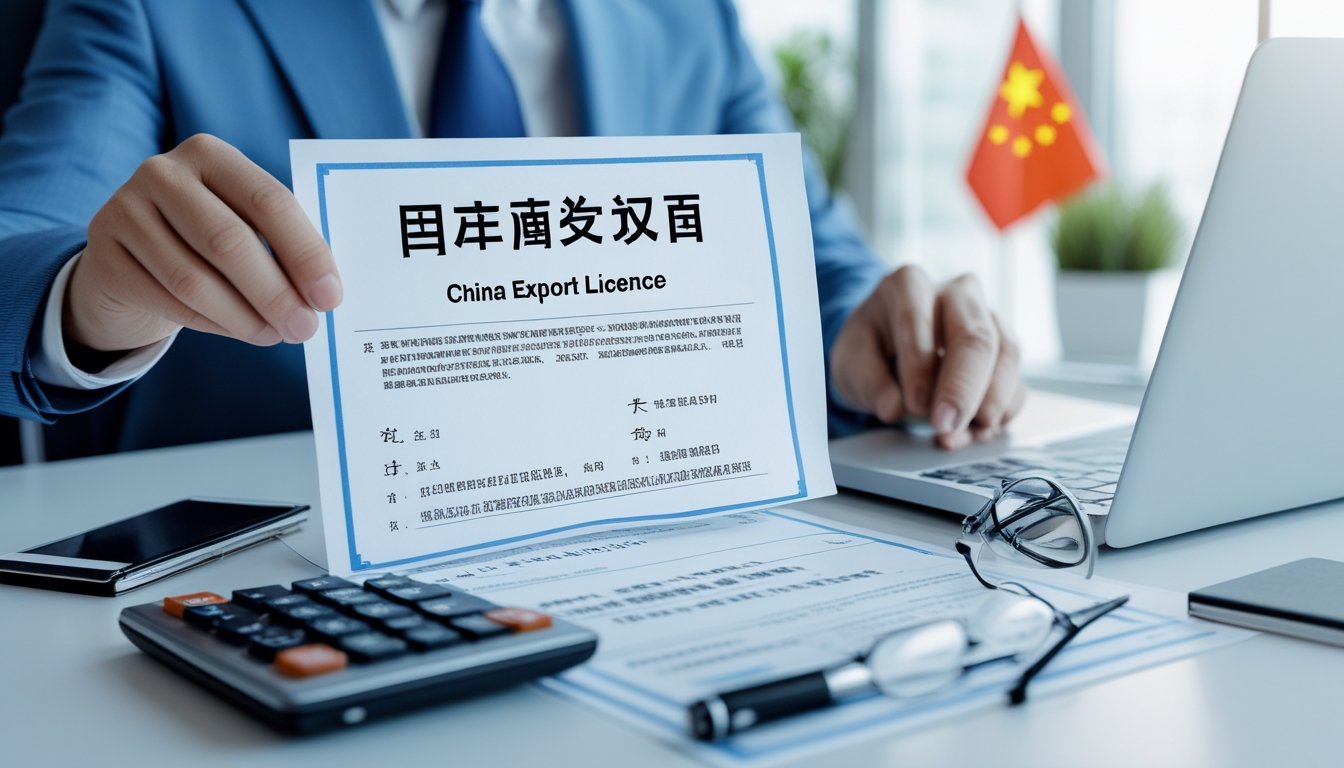
China’s export control system involves several government agencies and a web of regulations that changed a lot in October 2025. Working with experienced legal experts protects your business from compliance failures and helps you secure the right licences from MOFCOM and other bodies.
Risks of Working with Unlicensed Exporters
Dealing with unlicensed export agents or trading companies brings real legal and financial risks for overseas buyers. Trading companies without proper export licences can’t legally ship controlled items from China. You might face shipment seizures at customs, financial losses from unfulfilled orders, and quality issues since unlicensed exporters often skip proper quality checks.
It’s tough to verify product safety standards when you work with unlicensed trading companies. Your goods might not meet CA Prop 65 or other international standards. The sales agreement won’t offer much protection if the exporter doesn’t have the required licences.
You also risk getting blacklisted by Chinese authorities if you’re linked to unlicensed export activities. That can hurt your ability to import from China in the future. Foreign buyers lose protection under China’s export control rules when they use unlicensed parties.
How Our Legal Experts Ensure Export Compliance
Legal professionals who know China export regulations handle MOFCOM applications and coordinate with the Ministry of Foreign Trade and Economic Cooperation. They’ll classify your products under China’s export control list and figure out which items need licences.
Expert lawyers review your sales agreements to add the right compliance clauses. They check that your export agency or trading company has up-to-date licences for your products. This protects importers from shipment delays and regulatory fines.
Legal experts also manage real-name tax reporting requirements that started in October 2025. They make sure taxpayer info in licence applications is accurate and coordinate between licensing, customs, and tax filings. This helps prevent compliance gaps that could cause trouble.
If you’re an overseas buyer without a permanent China presence, legal counsel can guide you on picking qualified export agents and building compliant deals.
Get Expert Help with China Export Requirements
Experienced legal advisors can audit your current China importing process. They’ll spot gaps in your export paperwork and suggest fixes before issues crop up.
Legal support covers:
- Licence application prep for MOFCOM submissions
- Export agent checks to confirm trading company credentials
- Customs clearance help with Chinese authorities
- Quality assurance protocols that meet product safety standards
- Contract review for sales agreements with Chinese exporters
Professional help is pretty much a must if you’re exporting controlled tech or dual-use goods. Legal experts can handle the tougher enforcement environment and help you keep your supply chain compliant with minimal drama.
Conclusion: What is a China Export Licence?
Understanding China export licences is crucial for smooth international trade and avoiding shipment delays at customs. Knowing which products require licences, how to verify your supplier's credentials, and what compliance steps to follow protects your business from legal complications.
However, China's export regulations change frequently and vary by product category, making compliance challenging without local expertise. Professional legal guidance ensures you navigate export controls correctly and maintain uninterrupted supply chains.
Want to dive deeper into regulatory requirements? Read our comprehensive guide on China export controls to understand restricted products and compliance obligations.
Frequently Asked Questions: What is a China Export Licence
Here are some quick answers about China export licences, company ownership, costs, and what “China export” actually means in trade.
What is an export license in China?
An export license in China is an official government document that authorizes businesses to export certain goods legally. It proves your products meet Chinese trade regulations and international laws. Restricted goods like electronics, chemicals, pharmaceuticals, and dual-use items typically require licenses issued by MOFCOM.
Can you own 100% of a company in China?
Yes, you can own 100% of a company in China by establishing a Wholly Foreign-Owned Enterprise (WFOE). This structure allows foreign investors to operate independently without a Chinese partner. A WFOE can apply for export licenses directly and requires registration, minimum capital, and government approvals.
How much is an export permit?
Export permit costs vary based on product type and processing requirements. Basic export registration for standard goods is often free or costs minimal fees, while restricted items may cost hundreds to thousands of RMB. Additional expenses include document preparation, translation, and consulting services that vary by product category.
What is the meaning of China export?
"China export" refers to goods manufactured or sourced in China that are shipped internationally for sale or use. It involves the legal process of sending goods from China while complying with customs regulations in both China and destination countries. Required documentation includes commercial invoices, packing lists, and applicable export licenses.
Subscribe to receive updates
Subscribe to receive the latest blog posts to your inbox every week.