.png)
Divorce is never easy, especially when money, property, and business interests are involved. One of the biggest concerns couples face is how to split assets in a China divorce in a fair and lawful way.
China’s Civil Code sets clear rules, but the outcome depends heavily on evidence, timing, and how property is classified. Understanding the basics can help you protect what is rightfully yours and avoid costly mistakes.
Read on to learn how property division works in China and what steps you can take to safeguard your interests.
Key Takeaways
- Marital property in China is generally divided fairly, often starting from a 50 50 principle
- Separate property usually stays with the original owner if properly proven
- Real estate, business interests, and debts require careful classification
- The 30 day cooling off period affects settlement agreements but not court decisions
- Strong documentation is essential in any asset division case
- Professional legal advice from firms such as Choi and Partners can help protect your financial rights
Understanding How to Split Assets in a China Divorce Under the Civil Code
China’s Civil Code provides the legal foundation for property division in divorce. Courts focus on fairness, not just equal division, when deciding how to split assets in a China divorce.
In general, property acquired during marriage is considered marital property and is subject to division. Property owned before marriage or clearly given to one spouse individually is usually treated as separate property.
Marital Property in China Divorce Cases
Marital property typically includes:
- Salary, bonuses, and work income earned during marriage
- Business profits generated during marriage
- Real estate purchased after the wedding
- Investment returns, stocks, and savings accumulated during marriage
- Housing provident fund and retirement benefits earned during marriage
Courts usually begin with the idea of equal division. However, they may adjust the split based on factors such as financial contribution, childcare responsibilities, and economic hardship.
Separate Property and Non Divisible Assets
Separate property often includes:
- Property owned before marriage
- Inheritance or gifts clearly designated to one spouse
- Compensation for personal injury
- Personal items used exclusively by one spouse
To keep separate property from being divided, strong proof is required. If separate assets are mixed with marital funds and cannot be clearly traced, courts may treat them as marital property.
📌 Also read: Pre-Nup Agreements in China: Securing Marital Assets
How Courts Decide How to Split Assets in a China Divorce

When courts evaluate how to split assets in a China divorce, they look at evidence, fairness, and legal ownership. Judges examine documents carefully to determine whether property is marital or separate.
Courts may consider:
- Who paid for the property
- Whose name is on the registration
- Whether both spouses contributed financially
- Whether one spouse provided unpaid domestic work
China’s Civil Code recognizes domestic contributions. If one spouse stayed home to raise children or manage the household, the court may compensate that spouse even if they did not earn income.
If disputes become complex, seeking guidance from experienced legal professionals such as Choi and Partners can help ensure your financial interests are properly represented.
Dividing Real Estate When Considering How to Split Assets in a China Divorce
Real estate is often the most valuable asset in a marriage. Understanding how property is classified is critical when deciding how to split assets in a China divorce.
Property Purchased During Marriage
If a home was purchased during marriage using joint income, it is generally considered marital property. Courts may order:
- Sale of the property and division of proceeds
- Transfer to one spouse with compensation to the other
- Continued co ownership in rare cases
Property Purchased Before Marriage but Paid During Marriage
If one spouse bought a property before marriage but mortgage payments were made during marriage with joint income, the court may:
- Recognize the original ownership
- Award the other spouse compensation for contributions
- Divide the appreciation value gained during marriage
Property Registered Under One Spouse’s Name
Registration alone does not always determine ownership. Courts look at who contributed financially and whether the property was intended as joint marital property.
In high value property disputes, legal advice is often necessary to prevent unfair loss of rights. Choi and Partners can assist with documentation review and dispute resolution.
📌 Also read: Post Nups Agreement China: A Complete Guide for Chinese Couples.
How to Split Business Assets in a China Divorce

Business ownership can complicate how to split assets in a China divorce. Courts must evaluate both ownership structure and value.
Key considerations include:
- Whether the business was started before or during marriage
- Whether marital funds were invested into the business
- Whether both spouses contributed to business growth
If the business was created during marriage, it is usually considered marital property. If shares were owned before marriage, only the increase in value during marriage may be subject to division.
Courts may order:
- Buyout by one spouse
- Division of shares
- Financial compensation based on valuation
Business valuation may require professional accounting. Early legal consultation can help protect ownership interests.
Dividing Debts When Learning How to Split Assets in a China Divorce
Assets and debts go together. When figuring out how to split assets in a China divorce, courts also divide liabilities.
Joint marital debt may include:
- Home mortgages
- Loans used for family living expenses
- Business loans benefiting the family
Personal debt, such as gambling debt or loans taken without the other spouse’s knowledge, may remain the responsibility of the borrowing spouse.
Courts examine whether the debt was used for family purposes. Proper financial records are crucial to avoid being unfairly burdened.
The 30 Day Cooling Off Period and Its Impact on Asset Division
China introduced a 30 day cooling off period for mutual consent divorces. This rule affects how couples finalize agreements about property.
If both parties agree to divorce through administrative registration:
- They must apply for divorce
- Wait 30 days
- Confirm their intention to proceed
If either party withdraws during that period, the divorce does not proceed. However, this cooling off period does not apply to court litigation divorces.
When negotiating property settlements during this period, clarity and written agreements are essential. Legal review before signing any settlement can prevent future disputes.
📌 Also read: New Divorce Law in China: What’s Changed After Feb 2025.
Step by Step Process for How to Split Assets in a China Divorce
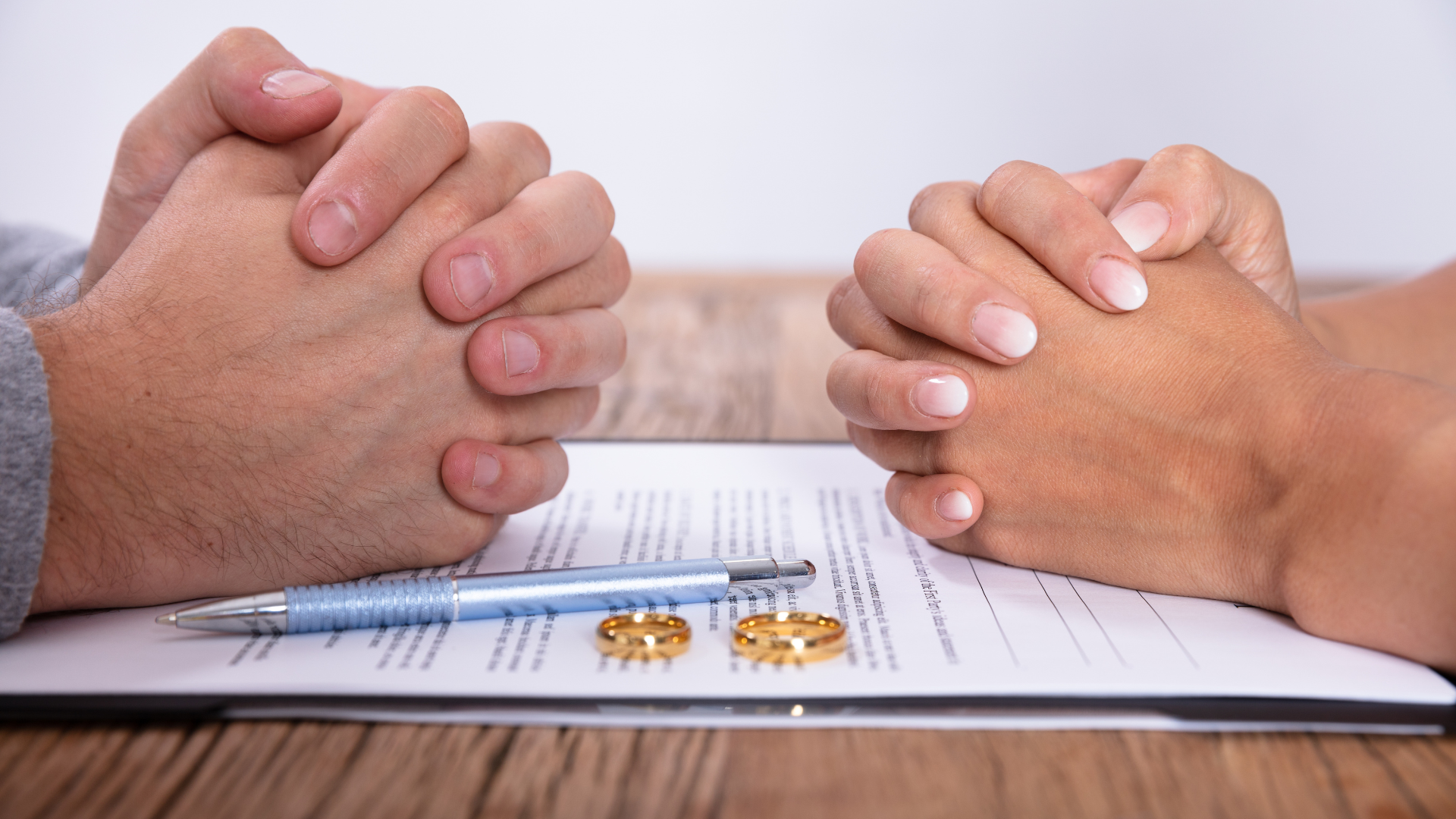
Taking structured steps can reduce confusion and conflict.
- List all assets and debts
- Gather ownership documents, bank statements, and contracts
- Classify property as marital or separate
- Attempt negotiation or mediation
- File a court case if agreement cannot be reached
- Enforce the final judgment or settlement
Accurate documentation often determines success. Missing evidence can result in losing valuable claims.
Common Mistakes in How to Split Assets in a China Divorce
Many people assume property will be divided exactly in half. In reality, courts adjust based on fairness and proof.
Common mistakes include:
- Hiding or transferring assets
- Failing to collect financial evidence
- Mixing separate and marital funds
- Ignoring tax and valuation issues
- Delaying legal consultation
Trying to conceal assets can backfire and lead to penalties. Early preparation is often the smartest strategy.
Conclusion
Understanding how to split assets in a China divorce requires careful attention to property classification, documentation, and fairness principles under the Civil Code.
Real estate, business interests, and debts all require detailed review to avoid costly mistakes. Preparation and legal awareness can make a significant difference in the outcome.
For more helpful guides about divorce, property disputes, and other legal matters in China, explore Chinalegal blogs and resources.
If you need professional advice or support regarding asset division or any other legal issue in China, consider reaching out to Choi and Partners for experienced guidance tailored to your situation.
FAQs About How to Split Assets in a China Divorce
What assets cannot be split in a divorce?
Assets owned before marriage are typically considered separate property. Inheritance or gifts clearly given to one spouse are also usually protected. Personal injury compensation and personal items are generally excluded from division. However, proper proof is required to maintain separate status.
What is the new divorce rule in China?
China implemented a 30 day cooling off period for mutual consent divorces. Couples must wait 30 days after filing before finalizing the divorce registration. This rule does not apply to court based divorce cases. Property division agreements made during this period should be carefully reviewed.
How long does divorce take in China?
A mutual consent divorce may take about one to two months due to the cooling off period. A contested court divorce can take several months or longer depending on complexity. Property disputes may extend the timeline. Appeals can further increase the duration.
Why is divorce so common in China?
Divorce rates have increased due to social and economic changes. Greater financial independence and shifting cultural attitudes contribute to this trend. Urbanization and work stress also play a role. Legal reforms have made the divorce process more structured and regulated.
Can wives claim property after divorce in China?
Wives have equal rights to marital property under Chinese law. If property was acquired during marriage, they may claim a fair share. Domestic contributions such as childcare are recognized by courts. Claims must be supported by evidence and filed within the legal time limits.
Subscribe to receive updates
Subscribe to receive the latest blog posts to your inbox every week.