Factory verification in China is essential for any business looking to source products safely and avoid costly mistakes. Without proper verification, you risk partnering with fraudulent suppliers, receiving substandard goods, or facing unexpected production delays that can devastate your bottom line.
The good news? Verifying a Chinese factory doesn't have to be complicated or overwhelming. With the right process and professional guidance, you can confidently assess potential suppliers and protect your investment.
This guide breaks down everything you need to know about factory verification in China, from essential checks to why expert legal support makes all the difference.
Learn how to ensure ethical sourcing with our guide on how to check if a Chinese factory is following labor laws.
What Is Factory Verification And Why It Matters
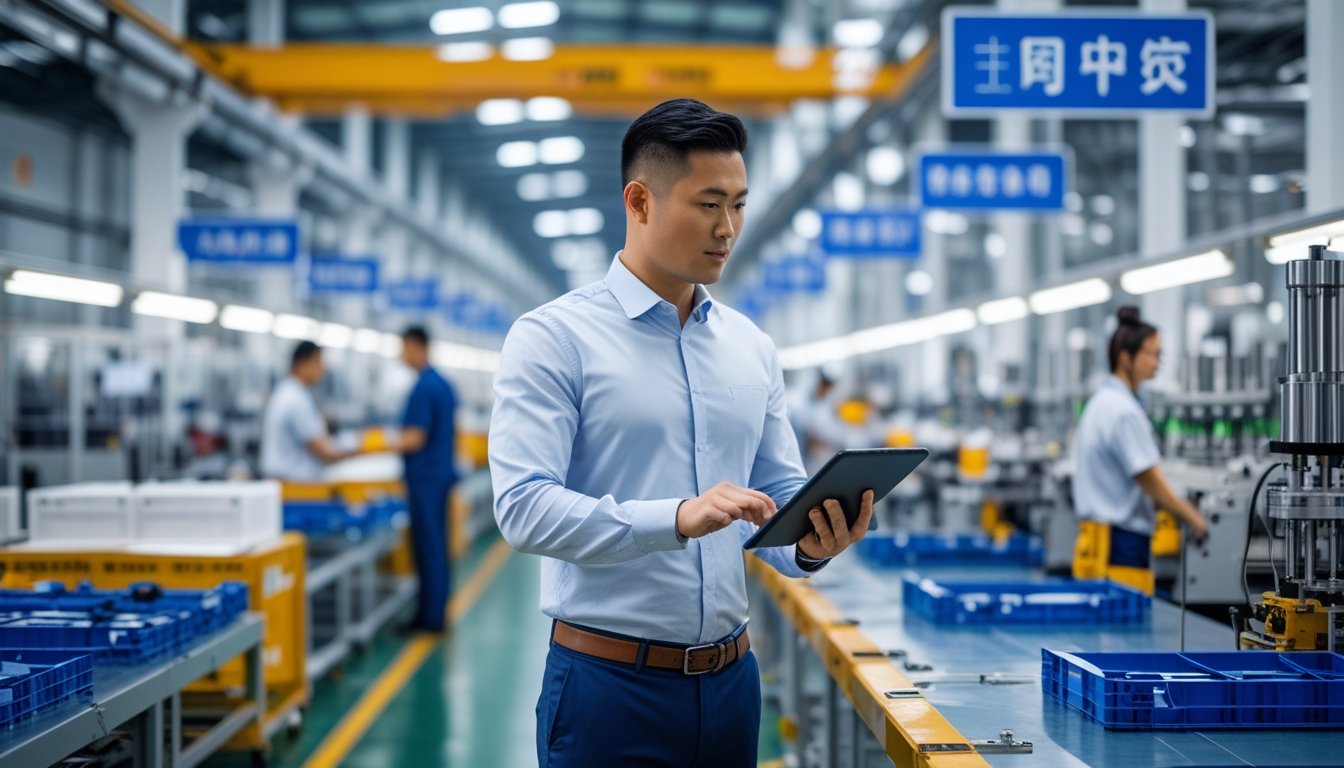
Factory verification lets you confirm a Chinese supplier is a real manufacturer with actual production capability and the right legal standing. Doing your homework here shields you from scams, production failures, and compliance headaches that can cost you thousands.
Understanding Factory Verification In China
Factory verification means you systematically check a supplier’s credentials, location, and manufacturing ability before you order. You’ll review business licenses through China’s National Enterprise Credit Information Publicity System, make sure the factory address matches its registration, and validate production equipment on-site or by video tour.
You need to make sure the company can legally manufacture and export your product type. That involves checking their business scope, export licenses, and certifications like ISO 9001 for quality management.
Real factories usually operate from industrial zones with visible production lines, warehouse space, and packaging areas. Trading companies? They tend to work from office buildings and just act as middlemen, adding markup without real manufacturing value.
You should also check export records, quality certifications, and production capacity. Ask for photos of machinery, staff, and finished goods to see if they can handle your order size and meet your standards.
Common Risks Of Skipping Verification
If you skip verification, you could lose your entire payment to fraudsters who take your deposit and vanish. Scammers create fake business documents and use stock photos to look legit—at least until they get your money.
You might get defective products that don’t meet safety standards or your specs. Low-quality goods trigger complaints, returns, and hurt your brand’s reputation.
Your shipment could get stuck at customs if the factory doesn’t have the right export documents or product certifications. Missing compliance papers for CE, RoHS, or FCC can mean your goods get held at the border.
Dealing with trading companies who pretend to be manufacturers often means you pay inflated prices—sometimes 15-30% more—without getting any extra quality control or expertise.
Who Needs Factory Verification Services
If you’re a first-time importer, you probably need verification. It’s tough to tell the difference between real manufacturers, trading companies, and outright scammers, especially if you don’t speak Chinese or know the business culture.
Companies placing big orders—anything over $10,000—should spring for third-party audits. Spending $200-350 for a factory audit is nothing compared to losing a five-figure deal.
Brands developing custom products through OEM or ODM need deep verification to protect their designs and make sure the factory has the right equipment and quality systems for the job.
Even if you use trade assurance or payment protection, verification helps. Payment disputes take time to resolve and don’t stop production delays. It’s just safer to confirm credentials yourself right from the start.
Dealing with quality issues? Discover your legal options when a Chinese factory sent defective products.
The Factory Verification Process Explained
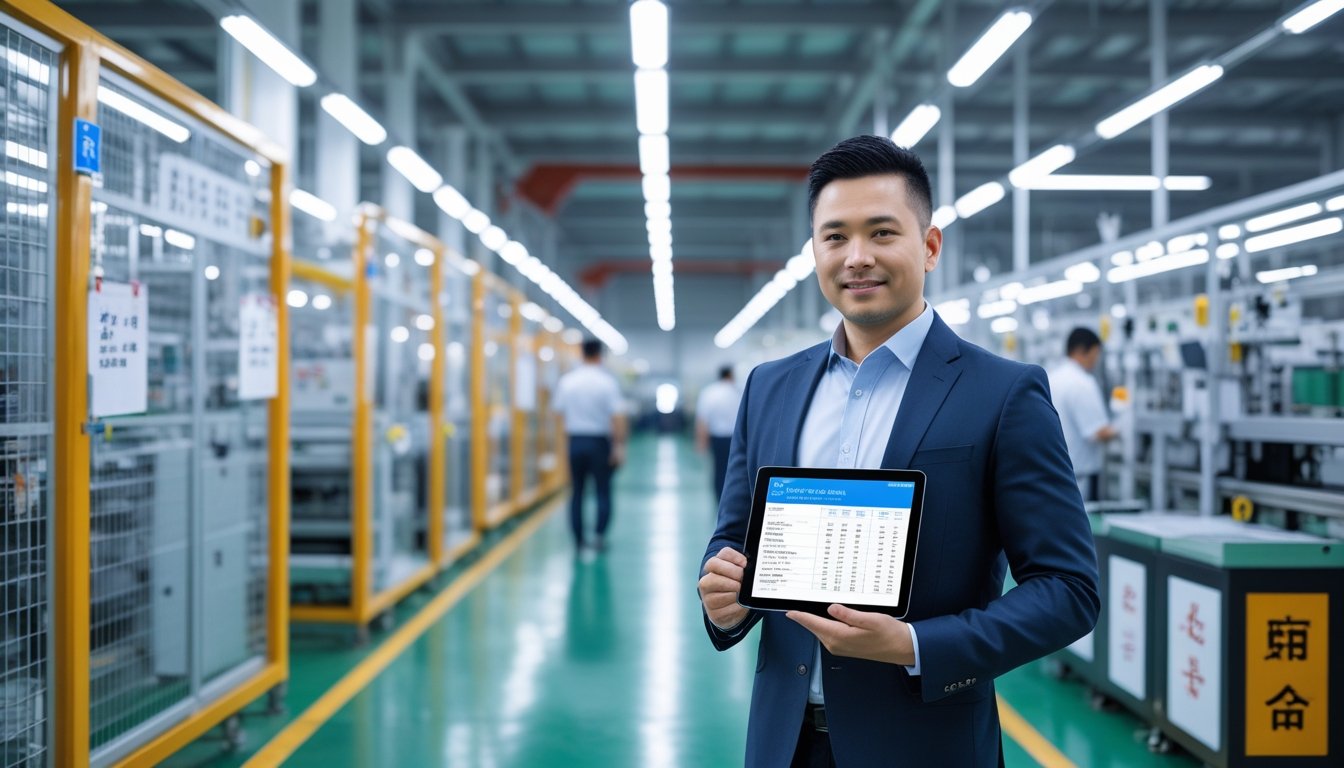
To verify a factory in China, you’ll check legal documents, inspect facilities in person, test production claims, and review quality systems. Every step helps you see if a supplier is real and up to your standards.
Document And License Verification
Start by asking for the factory’s business license (营业执照). This shows the company name, legal representative, registered capital, business scope, and Unified Social Credit Code. Cross-check these details with official government databases to make sure the factory really exists.
Ask for their export license if you need international shipping. That proves they can legally export. Ask for tax registration documents too, so you know they can issue proper invoices.
Look at the company structure. Are you dealing with a real manufacturer or just a trading company? Real factories own their equipment and space. Trading companies usually outsource everything, which adds risk.
Check who owns the company and its registered capital. More capital often means more stability. Make sure the legal representative matches on all documents—if not, that’s a red flag.
On-Site Factory Inspection Essentials
Visiting the factory or hiring a third-party inspector gives you proof of real operations. Walk through production areas, storage, and shipping. Count the production lines and see how many people are actually working.
Check the state of their equipment and look at maintenance records. Old or broken machines won’t deliver consistent quality. Organized workflows and clean spaces usually mean better management.
Key inspection points:
- Fire exits and safety equipment
- Ventilation and lighting
- Raw material storage
- Finished goods inspection areas
- Worker training docs
Meet the quality control team and ask about their routines. Look at inspection records from recent runs. A virtual tour can help for initial screening, but it doesn’t replace an on-site visit for important orders.
Take photos and notes. Compare what you see to what the supplier promised in their company profile.
Production Capacity Assessment
Ask the factory for their monthly output and current backlog. Production capacity tells you if they can handle your order and deliver on time.
Review recent production reports and shipping records. These show actual output, not just claims. Figure out if their workers and machines can realistically make your order size.
Test capacity claims by checking:
Ask about their busiest months and how they handle rush orders. Factories that over-promise usually miss deadlines or cut corners on quality to catch up.
Request references from clients with similar order sizes. Contact them to see if the factory delivered on time and at the right quality.
Quality Control And Compliance Checks
Look at the factory’s quality management system and any ISO 9001 certification. That standard shows they follow set quality processes. Check the certificate’s issue date and make sure it covers your product type.
Ask for test reports on materials and finished goods. Make sure they use accredited labs for compliance checks. Ask for proof of product certifications, like CE mark, RoHS, or whatever your market requires.
Look through quality control records from past runs. You want to see inspection checklists, defect rates, and logs of how they fixed problems. A good quality control system catches issues before shipping.
If your brand requires ethical sourcing, consider a third-party or social compliance audit. Reports like BSCI or Sedex check labor practices, safety, and environmental rules.
See if they track raw materials from approved vendors through production. This stops unauthorized substitutions that hurt quality.
Ask about their third-party inspection process. Good factories welcome pre-shipment inspections and let third-party auditors in.
Partner With Legal Experts For Reliable Factory Verification
When you work with legal experts based in China, you get access to official government records, on-the-ground verification teams, and ongoing protection against supplier risks. Professional services catch problems that online research and DIY checks just don’t.
Why Professional Verification Beats DIY Approaches
If you’re outside China, you can’t access official business registries or court databases. Professional verification teams in China check government registration files, shareholder structures, and litigation records—stuff you won’t find on supplier websites or B2B platforms.
DIY verification usually relies on what suppliers tell you or show in photos. Factories can fake certificates, borrow facilities for photos, or claim capabilities they don’t have. China-based auditors visit the real production site on a normal workday to see what’s actually happening.
Legal disputes are tough to spot without checking Chinese court records. A supplier might look fine on Alibaba but have dozens of unpaid judgments or be on a debtor blacklist. Professional background checks catch these problems before you send money.
Online checks don’t tell you if a factory follows environmental rules, labor laws, or safety standards. Violations can shut down production overnight and leave your orders stranded.
How Our China Legal Experts Protect Your Business
Our team works from mainland China with direct access to official verification tools. We check company registration, legal representatives, and abnormal operation warnings through government databases that need local credentials.
We look at your supplier’s whole legal history: lawsuits, enforcement actions, debt, and related-party risks. You’ll know if the factory has a record of breaking contracts or not paying debts.
When we audit on-site, we don’t just look at machines. We check workforce stability, raw material quality, production bottlenecks, and actual output records. We also make sure quality control systems really exist and work, not just exist on paper.
Ongoing monitoring lets us catch changes after your first verification. Factories can take on too many orders, lose key staff, or run into new compliance problems. Follow-up checks and mini-audits help you spot trouble before it hits your shipments.
Get Started With Professional Factory Verification Today
Send us your supplier’s company name, contact info, and some basic details about your planned order. We’ll start with a background check using Chinese government records to look for big red flags.
If the supplier passes, we’ll arrange an on-site audit based on your priorities—whether that’s quality, capacity, compliance, or delivery timelines. You tell us what matters, and we’ll build the inspection around it.
You get a detailed report in English with risk ratings, findings, and recommendations. We’ll tell you if you should move forward, what conditions to set, or if you need to look elsewhere. We’ll also stick around to help with first orders, contract reviews, and any problems that pop up later.
Protect your transactions by understanding the benefits and limitations of Alibaba Trade Assurance.
Conclusion: Factory Verification in China
Factory verification in China doesn't have to be intimidating when you follow the right steps. From checking government databases to conducting on-site inspections, these verification methods help you identify legitimate manufacturers and avoid costly mistakes.
However, navigating China's business landscape can still be tricky, especially when scammers constantly evolve their tactics. That's where professional legal expertise becomes invaluable in protecting your investment and ensuring compliance.
Want to learn more about protecting yourself from fraudulent suppliers? Read our detailed guide on China factory scams to spot red flags and avoid costly mistakes.
Frequently Asked Questions: Factory Verification in China
Verifying suppliers and factories in China means understanding official databases, doing in-person inspections, and testing products with sample orders before you buy in bulk.
How to verify a Chinese factory?
Check the National Enterprise Credit Information Publicity System (NECIPS) at gsxt.gov.cn to confirm legal registration and business license details. Request business licenses, tax certificates, and quality certifications like ISO standards, then cross-check them against the NECIPS database. Arrange a factory visit or hire a third-party inspector to verify production equipment, employee numbers, and order capacity.
How to know if a Chinese supplier is legit?
Verify their registration on gsxt.gov.cn using their business license number or company name. Request a real-time video call to tour their facilities—scammers use stock photos but can't fake live production lines. Place a sample order before large commitments, and avoid suppliers who refuse visits, won't provide references, or demand untraceable payment methods.
How do I know if a product is made in China?
Check labels, packaging, or documentation for "Made in China" designations required by law. Request a Certificate of Origin and verify it through Chinese customs or trade authorities. Review export documents and shipping records to confirm the actual Chinese port of departure.
How to find a real manufacturer in China?
Check the NECIPS system at gsxt.gov.cn for "manufacturing" or "production" in their business scope—trading companies won't list these activities. Visit the facility to verify production equipment, active workers, and genuine production lines versus just office space. Request factory-specific documentation like production schedules, quality control reports, and equipment lists that trading companies typically cannot provide.
Subscribe to receive updates
Subscribe to receive the latest blog posts to your inbox every week.