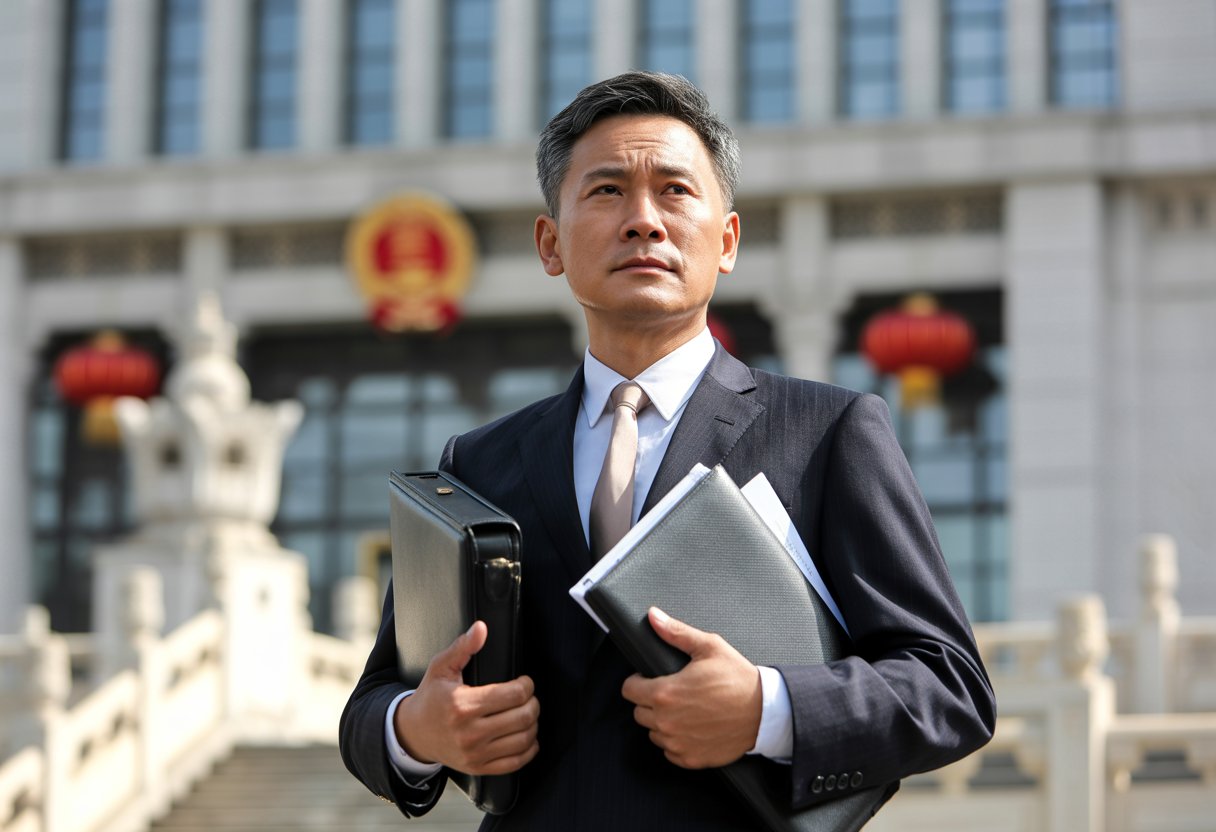
Getting arrested or detained in China is a serious situation that requires immediate attention and understanding of your legal rights. If you are a foreigner facing detention, you need to know what steps to take to protect yourself and get proper legal representation. The Chinese legal system works differently from Western systems, and knowing these differences can make a major impact on your case.
If you are detained in China, you have the right to contact your country's embassy or consulate and to request a lawyer, though the process of securing legal help can be complicated and may involve significant delays. Chinese authorities must inform you of the reason for your detention, but access to legal counsel is not always immediate. Foreigners arrested in China face unique challenges, including language barriers and unfamiliar legal procedures.
Lawyers who defend human rights cases in China face their own risks. Many have been detained for years without trial or under questionable charges. Some prominent legal advocates have been held in detention centers for extended periods, with some cases lasting over six years.
Key Takeaways
- Detained foreigners in China have the right to contact their embassy and request legal representation, though access may be delayed
- Human rights lawyers in China face arbitrary detention, with some held for years without trial as part of government crackdowns
- International advocacy groups and support networks work to protect detained lawyers and provide assistance to those facing legal challenges in China
Understanding Detention of Lawyers in China
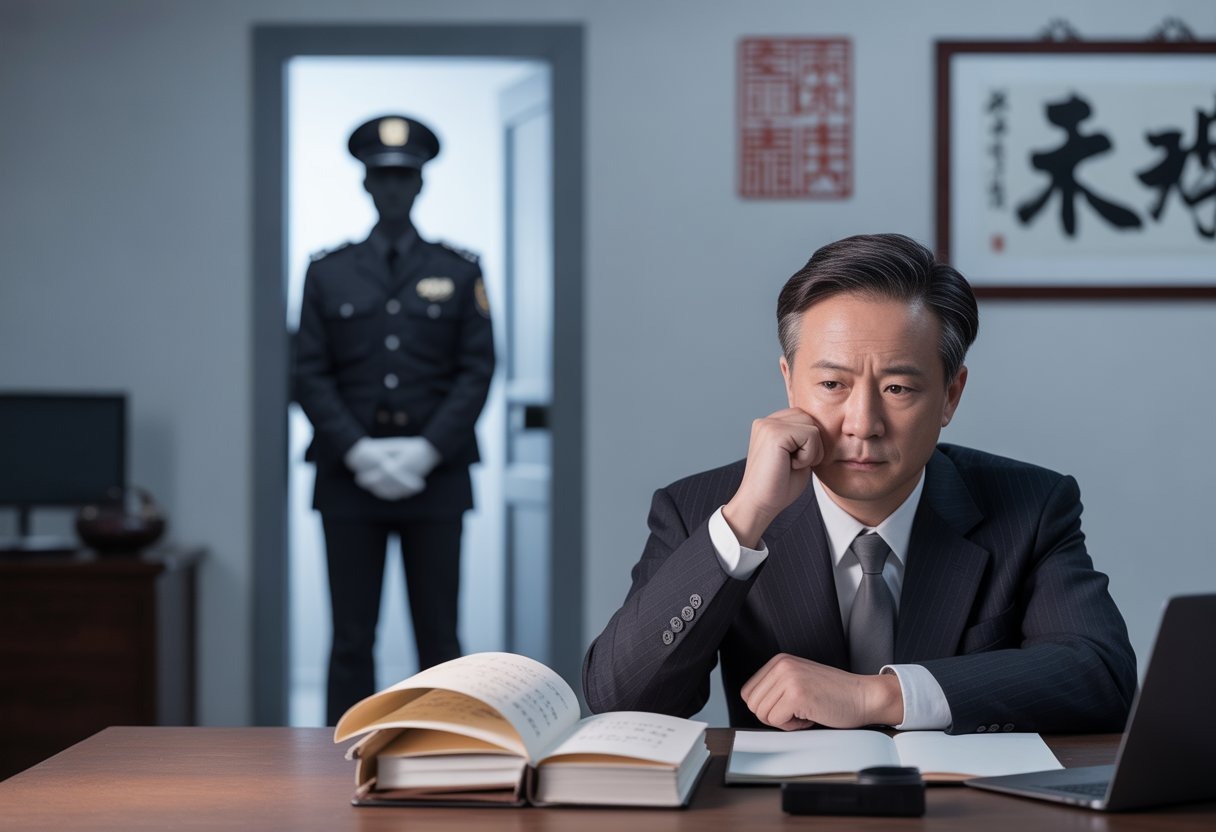
China's government has the power to detain lawyers who take on sensitive cases, often using vague legal charges and special detention systems. These lawyers face charges like "picking quarrels and provoking trouble" and can be held in secret locations without access to their own legal counsel.
Legal Basis for Detaining Lawyers
The Chinese legal system includes a detention mechanism called Residential Surveillance at a Designated Location (RSDL). This system allows authorities to hold suspects in secret locations for up to six months. Between 53,000 to 90,000 people have been held under RSDL according to estimates.
Police can deny a detained person access to a lawyer for the first 48 hours. They can also reject lawyers that defendants choose throughout their detention. Under Chinese law, authorities can hold someone for up to 37 days in criminal detention before they must formally arrest them or let them go.
The RSDL system is particularly concerning because it operates outside normal detention facilities. Most human rights lawyers detained since 2015 started their detention in RSDL. Reports of torture and abuse in these locations are common.
Common Charges Against Lawyers
Picking quarrels and provoking trouble is one of the most frequent charges used against human rights lawyers. This vague charge gives authorities wide discretion to target lawyers who challenge government actions.
Other common charges include:
- Subversion of state power
- Inciting subversion
- Sedition offenses
- National security violations
These charges often lack clear definitions, making it easy for authorities to apply them to lawyers defending sensitive cases. The charges frequently relate to lawyers' professional activities rather than actual criminal conduct.
Implications for Human Rights and Legal Practice
The detention of lawyers creates a climate of fear that restricts legal practice in China. When you see lawyers arbitrarily detained for doing their jobs, it sends a clear message to others in the profession.
A human rights lawyer in China risks losing their freedom simply for representing clients in sensitive cases. Many lawyers have been forcibly disappeared, meaning their families and colleagues don't know their location or condition. This practice violates basic legal protections.
Clients with human rights cases struggle to find representation. The rule of law weakens when lawyers cannot defend people without facing detention themselves.
In Hong Kong, similar restrictions have emerged. Lawyers face disbarment or detention for upholding human rights publicly. This expansion shows how detention practices are spreading beyond mainland China.
Legal detention issues often arise in broader regulatory environments. By reading our guide: China's Legal Framework for Foreign Business Operations, you’ll better understand how China’s legal system impacts foreigners across civil, commercial, and criminal matters.
Prominent Cases of Detained Human Rights Lawyers

Several high-profile lawyers have faced detention and prosecution in China for their human rights work. These cases show how authorities use charges like "subverting state power" to silence legal advocates who challenge government actions.
Xu Zhiyong and the Citizens' Movement
Xu Zhiyong co-founded the Citizens' Movement, a grassroots network that called for government transparency and equal rights for Chinese citizens. The movement encouraged people to speak out about corruption and discrimination through peaceful means.
Authorities detained Xu in February 2020 after he attended a private gathering in Xiamen. Police charged him with "inciting subversion of state power" for his activism and writings. His trial took place behind closed doors without public access.
In April 2023, a court sentenced Xu to 14 years in prison. His partner, human rights lawyer Ding Jiaxi, received a 12-year sentence in the same case. Both men spent years in detention before their trials concluded.
Ding Jiaxi's Arrest and Trial
Ding Jiaxi worked as a prominent human rights lawyer before his arrest in December 2019. He represented activists and advocated for constitutional rights through his legal practice. Like Xu Zhiyong, he participated in the Citizens' Movement's activities.
Authorities held Ding in secret detention for months before formally charging him. His wife, Sophie Luo Shengchun, waited years for information about his case while living in the United States. The court sentenced him to 12 years in prison in 2023.
Tang Jitian's Incommunicado Detention
Tang Jitian faces detention without communication access to family or legal counsel. Authorities have held him incommunicado, meaning his relatives cannot visit him or confirm his wellbeing. This practice violates international standards for detention.
Tang built his career defending religious minorities and other vulnerable groups in China. His legal work challenged government policies that restricted personal freedoms. The current status of his case remains unclear due to the lack of public information.
Case of Zhang Wenpeng
Details about Zhang Wenpeng's specific circumstances are limited in available records. However, his case represents one of many instances where Chinese authorities target legal professionals who take on sensitive human rights cases. The pattern of detention affects lawyers across different regions and practice areas.
Regulatory enforcement can sometimes intersect with corporate compliance concerns. To understand the wider regulatory landscape, explore our article, China Export Controls: Understanding the Latest Regulations for insights into enforcement risks and compliance strategies.
The 709 Crackdown: Impact and Significance
The 709 crackdown fundamentally changed how Chinese human rights defenders operate and revealed the government's willingness to target the legal profession itself. This nationwide operation affected hundreds of lawyers and activists while creating lasting effects on China's legal system and civil society.
Origins and Scale of the 709 Crackdown
The 709 crackdown began on July 9, 2015, when Chinese authorities launched a coordinated nationwide operation against the legal profession. Police seized over 300 human rights lawyers, legal professionals, and rights advocates across the country.
The crackdown specifically targeted lawyers who defended people's rights and challenged government actions. Many of these legal activists were forcibly disappeared in the initial days and weeks. Dozens faced arbitrary detention without proper legal process.
At least fifteen individuals from this crackdown received criminal convictions. The operation marked an unprecedented assault on China's legal community. It represented the largest systematic targeting of lawyers in modern Chinese history.
Consequences for Legal Activists and Their Families
The harassment and intimidation extended beyond the detained lawyers themselves. Authorities targeted family members who had no involvement in human rights work. This tactic created additional pressure on legal activists.
Ten lawyers from the original crackdown received prison sentences. Many others faced disbarment, which prevented them from practicing law. Some lawyers experienced forced disappearances that lasted months before any formal charges appeared.
The persecution didn't end after the initial arrests. Over the past decade, several more lawyers have been arrested or sentenced. This pattern continues into 2025, showing the long-term nature of this suppression.
Legacy for Human Rights in China
The 709 crackdown created a turning point for rule of law and human rights in China. It signified a full-scale suppression of civil society and the legal profession. The operation demonstrated the government's approach under Xi Jinping to controlling dissent.
Chinese human rights defenders now operate in a much more restricted environment. The crackdown eliminated most people doing human rights legal work in China. Lawyers who continue this work face constant surveillance and threats.
The impact continues ten years later. The legal profession remains under pressure, with new arrests and detentions occurring regularly.
Many legal risks stem from contractual misunderstandings. For deeper protection strategies, review our comprehensive guide, How to Handle Business Disputes in China: Contracts, Arbitration, and Law to safeguard your rights before conflicts escalate.
International Advocacy and Support Networks
Several organizations work to support detained lawyers in China and document human rights violations. These groups provide legal assistance, track cases, and pressure governments to take action against China's treatment of human rights defenders.
Role of Chinese Human Rights Defenders
Chinese Human Rights Defenders (CHRD) operates as a network-based organization that monitors and documents cases involving detained lawyers and activists. The group maintains connections with lawyers, petitioners, activists, journalists, and writers inside China to track legal developments and human rights challenges.
CHRD focuses on collecting information about arbitrary detentions and torture cases. When you need information about specific lawyers detained in China, CHRD often provides detailed case documentation. The organization also publishes reports about the ongoing persecution of human rights lawyers.
The network shares its findings with international bodies and governments. This documentation helps support calls for accountability and independent investigations into China's treatment of legal professionals.
Safeguard Defenders and Advocacy
Safeguard Defenders works to protect human rights lawyers and their families in China. The organization provides direct support to families of detained lawyers, including financial and legal assistance.
The group documents patterns of abuse against legal professionals. You can find their reports on torture, forced confessions, and long-term detentions without trial. Safeguard Defenders uses this evidence to push for international investigations into Chinese government actions.
They coordinate with other advocacy organizations to apply pressure on governments worldwide. Their work includes submitting evidence to UN bodies and encouraging foreign governments to raise specific cases by name in diplomatic meetings.
The Asian Lawyers Network
The Asian Lawyers Network (ALN) issues joint statements calling attention to detained Chinese lawyers. The network signed statements marking the tenth anniversary of the 709 crackdown in July 2025.
ALN urges governments to speak out about detained human rights lawyers and raise their cases at international forums. The network emphasizes the importance of using lawyer names in public statements and UN Human Rights Council sessions.
The organization pushes for increased support to detained lawyers and their families. ALN coordinates with regional legal groups to maintain pressure on the Chinese government and works to prevent the normalization of persecution against legal professionals.
Foreign professionals frequently misunderstand visa and work authorization rules. To avoid preventable legal trouble, consult our detailed article: Do I Need a Work Permit for a Business Trip to China?
Legal Rights and Risks Faced by Detained Lawyers
Lawyers detained in China face systematic violations of their fundamental legal protections, including restricted access to their own legal counsel and prolonged periods of incommunicado detention. These violations put detained legal professionals at significant risk of abuse and undermine the basic principles of due process.
Fair Trial Rights and Due Process
When you examine cases of detained Chinese human rights lawyers, you'll find that fair trial rights are frequently violated. The Criminal Procedure Law requires authorities to provide access to legal proceedings, but these protections are often ignored in practice.
Detained lawyers are commonly held under Residential Surveillance at a Designated Location (RSDL), a system that allows authorities to detain individuals for up to six months before formal arrest. During this period, detainees exist in a legal gray area where standard procedural protections don't apply.
The "709 crackdown" that began in July 2015 demonstrated how these violations work in practice. Lawyers were held for six months in RSDL before being transferred to detention centers and formally arrested. This pattern continues today, making it nearly impossible for detained lawyers to mount an effective defense.
Access to Legal Representation
Chinese authorities often prevent detained lawyers from choosing their own legal counsel. This practice became common after the 709 crackdown and violates human rights in China.
Article 37 of the Criminal Procedure Law states that detainees have the right to legal representation. However, authorities bypass these protections by denying detainees their choice of lawyer.
When lawyers are held incommunicado, they cannot consult with independent legal counsel or communicate with their families. This isolation helps authorities suppress legal challenges to official abuses.
Torture and Ill-Treatment Allegations
Incommunicado detention creates conditions where torture and ill-treatment can occur without oversight. The RSDL system places detainees at high risk because they have no contact with the outside world.
During the six-month RSDL period, detained lawyers have no access to independent observers or legal representatives who could document abuse. This isolation makes it difficult to verify allegations of mistreatment or hold perpetrators accountable.
The lack of legal oversight allows physical and psychological pressure to be applied without consequence. These conditions violate international human rights standards that China has agreed to uphold.
Corporate investigations can expose deeper structural risks. Strengthen your compliance strategy by reviewing, Company Health Check China: Financial, Legal & Compliance Audit and ensure your operations meet evolving regulatory standards.
Harassment, Surveillance, and Ongoing Intimidation
Even after prison, Chinese human rights lawyers face continued harassment through monitoring, travel restrictions, and social isolation tactics designed to silence their advocacy work.
Non-Release Release and Continuing Restrictions
After release, detained lawyers in China remain under strict limitations. Authorities often place them under residential surveillance or house arrest for long periods. Security cameras are installed outside their homes, and plainclothes police follow them in public.
Travel bans prevent them from leaving their city or province without permission. The government may revoke their law license, making it impossible to practice law again. Phone and internet use is monitored, and officials regularly conduct home "check-ins."
These restrictions can last for years. Lawyers cannot meet with other activists or former clients. Some are forced to sign agreements not to discuss their detention or continue human rights work as a condition of release.
Family Impact and Social Repercussions
Family members of human rights lawyers in China often become targets of intimidation. Authorities harass spouses, children, and parents through surveillance, job loss, and denial of educational opportunities. Children may be expelled from schools or blocked from attending universities.
Police question relatives repeatedly and pressure them to convince the lawyer to stop their work. Spouses might lose jobs as employers face government pressure. Some families are evicted from their homes.
Friends and colleagues may distance themselves out of fear of government retaliation. Professional networks disappear as other lawyers avoid association to protect their own safety.
Bottomline
Being detained in China is overwhelming and legally complex, especially for foreigners unfamiliar with the system. Immediate action, proper legal representation, and consular coordination are critical to protecting your rights. Delays, restricted lawyer access, and procedural differences can significantly impact your case.
If you or someone you know is facing detention in China, seek experienced legal guidance without delay. Our team provides a Confidential Consultation and tailored Preliminary Legal Analysis to assess your options and protect your interests.
You may also explore our related resources on criminal defense, compliance, and foreign business risks in China.
Frequently Asked Questions
What are the legal rights of foreigners arrested or detained in China?
You have the right to know why you are being detained within 24 hours of arrest. Chinese law requires authorities to inform you of the charges in a language you understand.
You can request to contact your country's embassy or consulate after detention. This notification should happen within four days for most cases, except those involving state security.
You have the right to hire a lawyer, though access may be delayed in some cases. Your attorney can meet with you, review case materials, and represent you during interrogations and court proceedings.
You must be informed of your right to remain silent during questioning. However, Chinese law does not protect this right as strongly as some Western systems.
How can I find an English-speaking attorney if I'm detained in China?
Your embassy or consulate keeps lists of local lawyers who speak English and handle criminal defense cases. Contact your diplomatic mission as soon as possible to request these referrals.
You can ask detention facility staff to help you contact a lawyer. They are required to help, though the timeline varies depending on your case.
Many international law firms in China have criminal defense departments with bilingual attorneys. Your family can research and contact these firms on your behalf if you cannot do so directly.
Legal aid organizations sometimes help foreigners, especially in minor cases. Ask your consulate about legal aid resources in your area.
What steps should be taken to contact a consulate or embassy for assistance in a detention case in China?
Request that authorities notify your embassy or consulate immediately after your arrest. Repeat this request if necessary.
Chinese authorities usually notify your diplomatic mission within four days of detention. You can ask detention staff to confirm that this notification has been sent.
Your embassy can visit you in detention, though the frequency and timing of visits depend on your location and case. These visits allow consular officials to check on your welfare and help coordinate legal assistance.
Provide your lawyer with your embassy contact information so they can communicate directly with consular officials. This creates another channel for information sharing about your case.
What is the process for securing bail or advocating for fair treatment for a detainee in the Chinese legal system?
Chinese law allows for bail through "residential surveillance" or "release on guarantee pending trial." Your lawyer must submit a formal application to the detention center or procuratorate handling your case.
The decision on bail depends on the severity of charges, flight risk, and whether you might interfere with the investigation. Serious crimes like drug trafficking or state security offenses rarely qualify for release.
Your attorney can request proper medical care, adequate food, and humane detention conditions. Document any rights violations and report them through your lawyer and consulate.
Bail applications can be submitted multiple times during the investigation and prosecution. Each application must present new arguments or evidence supporting your release.
Can a lawyer from my home country represent me in Chinese courts, or must I use a Chinese lawyer?
You must use a licensed Chinese lawyer in criminal proceedings. Foreign attorneys cannot practice criminal law in Chinese courts or represent defendants during trial.
Your home country lawyer can work with your Chinese attorney as a consultant. They can help coordinate strategy, communicate with your family, and ensure your Chinese lawyer understands your concerns.
Some international law firms have both foreign consultants and licensed Chinese attorneys. This arrangement allows for better communication while meeting Chinese legal requirements.
Your foreign attorney can attend court hearings as an observer in some cases. However, they cannot speak on your behalf or participate directly in the proceedings.
How can family members outside of China assist with or get information about the legal process for a detained relative?
Your family should contact your embassy or consulate immediately to report your detention. Consular officials can confirm your location and status through official channels.
Family members can hire a Chinese criminal defense lawyer on your behalf. They should look for attorneys who have experience with cases involving foreigners and strong language skills.
Your lawyer can update your family about case developments, court dates, and your condition. Chinese law allows attorneys to share case information with immediate family members.
Relatives can send money for legal fees and personal expenses through approved channels. Your attorney or consulate can explain the procedures for transferring funds to detention facilities.
Your family should keep records of all communications, documents, and expenses related to your case. These records help track the case and may be needed for legal proceedings or reimbursement claims.
Subscribe to receive updates
Subscribe to receive the latest blog posts to your inbox every week.