.png)
Shipping to or from China comes with clear rules that protect cargo, people, and vessels. China shipping safety standards apply to ships, ports, cargo, and crews, shaping how both domestic and international trade operates.
Understanding these standards early can help reduce delays, avoid penalties, and support safer shipping operations, especially as China continues to strengthen its safety oversight.
These rules affect everyone involved in the shipping process, from carriers to importers and exporters.
If you are involved in shipping, importing, or exporting, keep reading to understand how China shipping safety standards work and why they matter.
Key Takeaways
- China shipping safety standards are based on national laws and global maritime rules
- Multiple government authorities oversee enforcement and inspections
- Cargo safety, vessel safety, and crew safety are equally regulated
- Violations can lead to fines, delays, or cargo detention
- Legal guidance from firms like Choi & Partners can help manage complex compliance issues
What Are China Shipping Safety Standards
China shipping safety standards are the rules and regulations that control how ships operate, how cargo is handled, and how ports manage maritime traffic. These standards are designed to reduce accidents, protect lives, and ensure safe and orderly shipping operations. They apply to Chinese vessels and foreign vessels operating in Chinese waters.
These standards cover ship condition, navigation behavior, cargo declaration, and emergency preparedness. Anyone involved in shipping activities linked to China is expected to understand and follow them.
Legal Framework Behind China Shipping Safety Standards
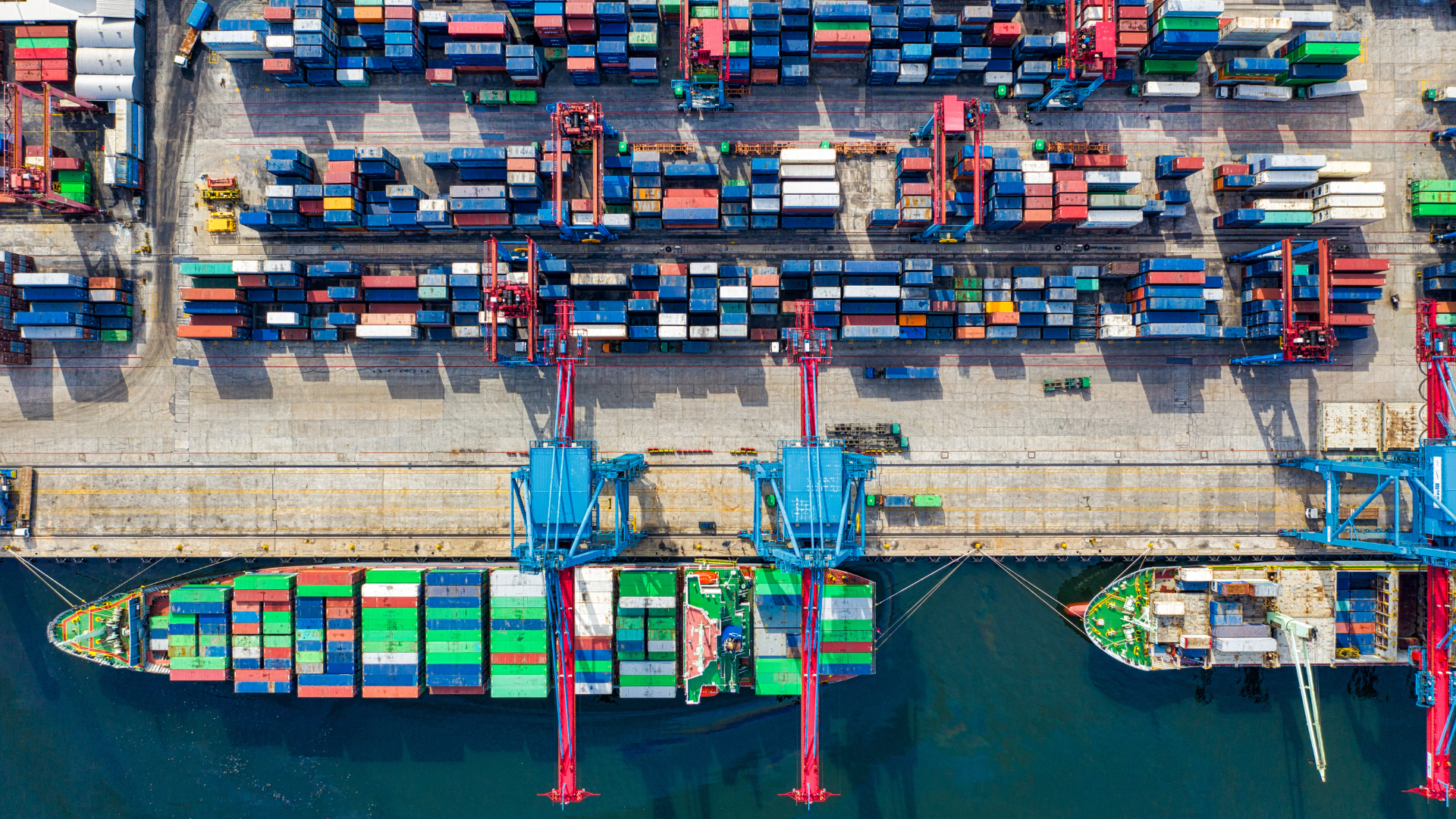
China shipping safety standards are supported by a structured legal system that combines national laws with administrative regulations. This legal framework ensures consistent safety enforcement across all ports and shipping routes.
For readers who want a broader understanding of how maritime laws fit into China’s overall legal structure,
📌 Also read: Understanding the Chinese Legal System and How It Works
Maritime Traffic Safety Law of the People’s Republic of China
The Maritime Traffic Safety Law forms the backbone of China shipping safety standards. It governs navigation safety, vessel operations, and accident prevention. The law clearly defines the responsibilities of ship owners, operators, and crew members.
Authorities rely on this law to conduct inspections, investigate incidents, and impose penalties. Compliance is mandatory for all vessels operating in Chinese waters.
Maritime Code of the People’s Republic of China
The Maritime Code complements shipping safety standards by focusing on carrier responsibility and liability. It outlines how cargo must be handled safely and who is responsible for damage or loss. This code is especially important for international shipping contracts and dispute resolution.
Authorities Enforcing China Shipping Safety Standards
China shipping safety standards are enforced by several government bodies working together. Each authority focuses on a different part of maritime safety.
China Maritime Safety Administration
The China Maritime Safety Administration is the main enforcement authority. It conducts vessel inspections, manages maritime traffic, and investigates accidents. It also issues safety notices and oversees compliance with national and international standards.
Port and Transport Authorities
Port authorities enforce safety rules within port areas, including cargo handling and equipment safety. The Ministry of Transport oversees policy coordination and nationwide implementation. Their combined efforts ensure uniform safety enforcement.
Vessel Safety Requirements Under China Shipping Safety Standards
Vessel safety is a critical part of China shipping safety standards. Ships must meet technical and operational requirements before entering or operating in Chinese ports.
Ship Certification and Inspections
Ships are required to carry valid certificates proving seaworthiness and safety compliance. Inspections examine navigation systems, hull condition, and safety equipment. Foreign vessels are also subject to port state control inspections.
International Standards and China Compliance
China shipping safety standards align closely with international conventions such as SOLAS and IMO rules. This alignment helps maintain global safety consistency. Local enforcement can be strict, so ships must meet both international and Chinese requirements.
Cargo Safety Rules in China Shipping Safety Standards
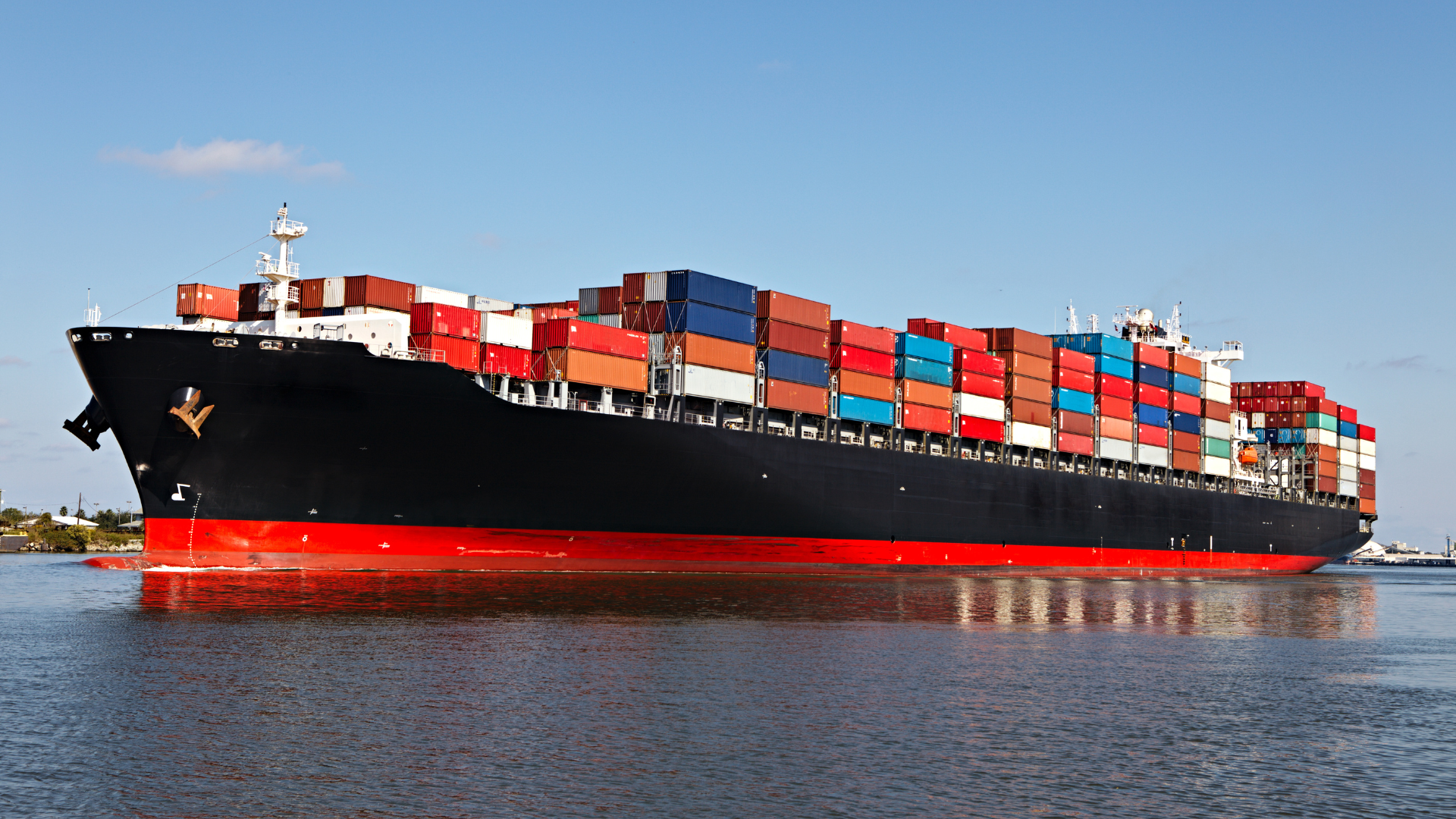
Cargo safety plays a major role in China shipping safety standards. Proper handling and documentation reduce risks during transport and port operations.
General Cargo Safety Requirements
General cargo must be safely packed, secured, and labeled. Containers should be suitable for the cargo and free from damage. Documentation must accurately reflect cargo details.
Key requirements include
- Secure packaging to prevent shifting
- Accurate cargo descriptions
- Container inspection before loading
For businesses involved in cross border trade, understanding safety rules alongside trade rules is essential.
📌 Also read: Import and Export Regulations in China: What Businesses Need to Know
Dangerous Goods and Special Cargo
Dangerous goods are regulated more strictly under China shipping safety standards. They must be properly classified, declared, and packed according to approved guidelines. Even small undeclared quantities can lead to serious penalties.
The 0.1 percent rule reflects China’s strict tolerance limits for undeclared hazardous substances. It reinforces the importance of full transparency in cargo declarations.
Port Safety and Maritime Traffic Control
Ports are central to enforcing China shipping safety standards. Effective port safety reduces congestion and minimizes accidents.
Navigation and Traffic Management
China uses vessel traffic service systems to monitor ship movements in busy waters. Ships must follow traffic instructions when entering or leaving ports. These systems help prevent collisions and groundings.
Operational Safety at Ports
Ports enforce safety rules for loading, unloading, and storage. Regular checks ensure equipment and procedures meet required standards. These measures protect workers and cargo.
Crew and Operational Safety Under China Shipping Safety Standards
Crew safety is essential for maintaining overall shipping safety. China shipping safety standards place clear obligations on operators regarding crew welfare.
Crew Training and Qualifications
Crew members must hold valid certificates and complete safety training. Training covers emergency response, fire safety, and navigation. Well trained crews reduce the likelihood of accidents.
Working Conditions and Safety Duties
Operational safety includes managing work hours and preventing fatigue. Ships are expected to maintain safe living and working conditions. These rules connect maritime safety with broader labor protections.
Compliance and Penalties Related to China Shipping Safety Standards
Strict enforcement is a defining feature of China shipping safety standards. Authorities actively monitor compliance.
Inspections and Audits
Inspections may occur before departure, during port stays, or after incidents. Audits review vessel condition, documents, and cargo declarations. Digital systems are increasingly used to support enforcement.
Penalties for Non Compliance
Violations may result in
- Administrative fines
- Cargo detention or shipment delays
- Suspension of shipping operations
When compliance issues escalate into disputes or investigations, legal support from experienced professionals such as Choi & Partners can help protect business interests.
📌 Also read: China Customs Compliance Issues Every Importer Should Know
Best Practices for Meeting China Shipping Safety Standards
Proactive compliance helps avoid costly disruptions and penalties. Good planning often prevents safety issues before they arise.
Recommended practices include
- Reviewing safety requirements before each shipment
- Verifying vessel certificates and cargo documents
- Training staff on updated safety rules
- Consulting legal advisors for complex cases
Understanding how shipping safety fits into China’s broader legal environment can also be helpful.
In more complex regulatory situations, firms like Choi & Partners can provide guidance on compliance and dispute resolution.
📌 Also read: 10 Important Laws in China That Affect Foreign Businesses
Conclusion
China shipping safety standards shape how vessels, cargo, and ports operate within one of the world’s most active trade environments.
Understanding these standards helps businesses reduce risk, avoid penalties, and keep shipments moving efficiently. Staying informed about regulatory updates is just as important as meeting current requirements.
For more practical insights, explore Chinalegal blogs and resources that cover China shipping safety standards and other legal topics.
If you face compliance challenges, disputes, or enforcement issues, Choi & Partners can provide experienced legal advice and support when navigating China’s shipping regulations. Contact us today!
Frequently Asked Questions About China Shipping Safety Standards
What is the maritime safety law in China?
The main maritime safety law in China is the Maritime Traffic Safety Law of the People’s Republic of China. It regulates navigation safety, vessel operations, and accident prevention. The law applies to both domestic and foreign vessels in Chinese waters. Authorities use it to enforce inspections and penalties.
What is the 3 hour rule in China?
The 3 hour rule in China usually relates to specific port or maritime operational procedures. It may involve reporting timelines or inspection requirements depending on the situation. The rule supports traffic control and safety management. Its application can vary by port.
What is the 0.1 percent rule in China?
The 0.1 percent rule refers to strict limits on undeclared hazardous substances in cargo. Even very small amounts can trigger penalties if not properly declared. The rule highlights China’s strict approach to dangerous goods safety. Accurate declarations are essential.
What is the safest way to ship China?
The safest way to ship from China depends on the cargo and route. Compliance with China shipping safety standards is more important than the transport mode. Proper packaging, documentation, and carrier selection reduce risk. Planning ahead improves safety.
Why is shipping from China to the US so cheap?
Shipping from China to the US is often cheaper due to large shipping volumes and efficient logistics networks. Economies of scale reduce costs. Safety standards still apply regardless of price. Lower cost does not mean lower compliance requirements.
What is the best way to ship from USA to China?
The best way to ship from the USA to China depends on cargo type and timing. Meeting China shipping safety standards is critical for smooth entry. Accurate paperwork and compliance checks help avoid delays. Professional guidance can be useful.
Subscribe to receive updates
Subscribe to receive the latest blog posts to your inbox every week.