
China factory visits are critical for verifying suppliers, assessing production capabilities, and building trust before placing large orders. While photos and video calls provide some insight, nothing replaces physically inspecting a facility to confirm what's real and what's exaggerated.
A well-planned factory visit lets you evaluate equipment, meet key personnel, review quality control processes, and spot potential issues that could derail your orders. Missing this step often leads to surprises—bad ones—after you've already committed money.
This guide walks you through preparing for China factory visits, what to inspect on-site, and how to identify red flags that signal you should walk away before it's too late.
What should you do if the Chinese factory is refusing to let us conduct an audit? Learn your options and next steps.
Why China Factory Visits Are Essential
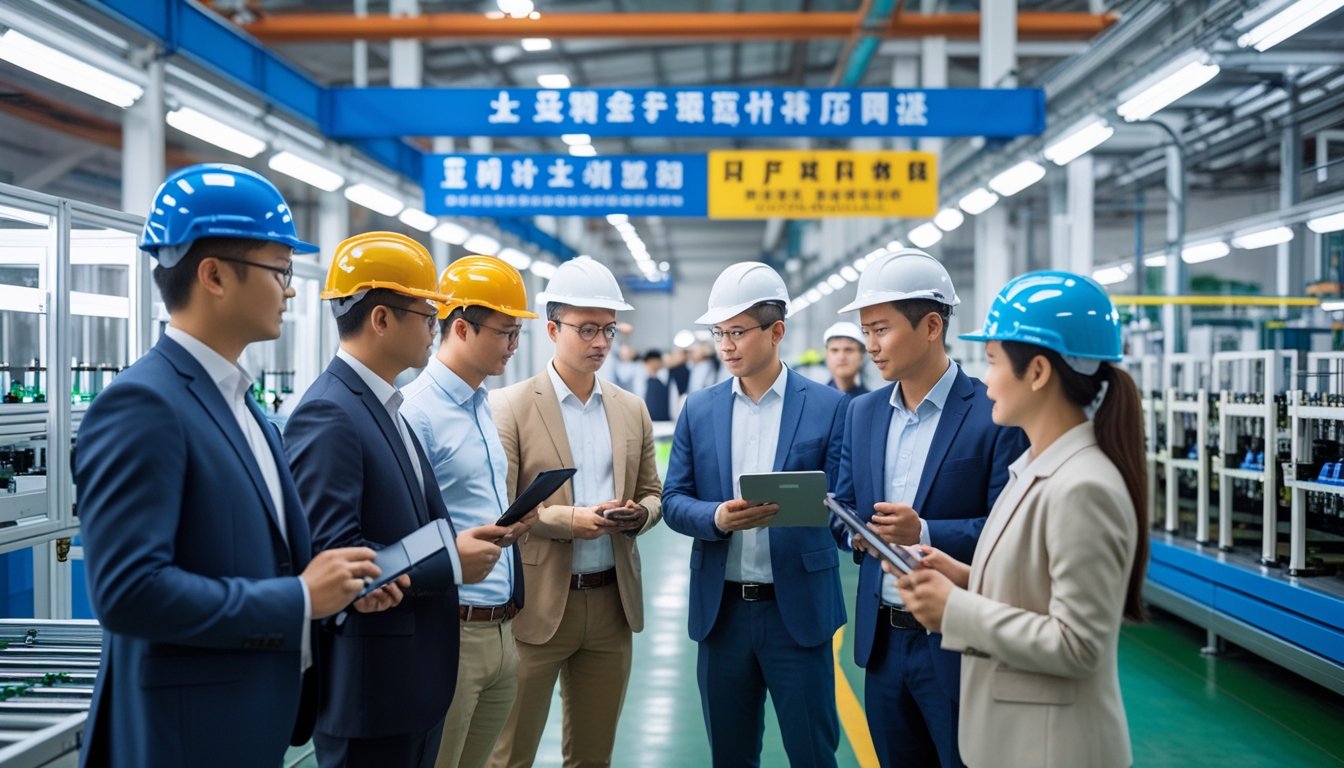
When you visit factories in person, you get a direct look at their production capabilities and quality standards—stuff you just can't see online. Physical visits help you build trust, confirm the factory's legitimacy, and catch problems before you commit to big orders.
Benefits of Visiting Factories in Person
When you walk through a factory, you see the real production environment and equipment. Online photos only show what suppliers want you to see.
As you tour the facility, you can check if the factory actually makes your product or just outsources it. You get a sense of worker skill, equipment condition, and overall organization. These things really tell you if a supplier can deliver on quality.
Face-to-face meetings go a long way in China. Manufacturers give priority to buyers who take the time to visit, which can mean better pricing, quicker responses, and special treatment when things get busy.
On-site, you can inspect samples and finished goods yourself. This helps you spot issues early and set clear expectations for future orders.
What You Can Learn from Factory Visits
During your visit, you get access to info suppliers rarely share online. You can count production lines and machines to confirm capacity, so you don't end up with suppliers who overpromise.
Quality control procedures become obvious when you walk the floor. Look for QC stations, testing gear, and inspection records. Weak quality control usually means trouble down the road.
Check how factories store raw materials and finished goods. Good storage prevents damage and contamination.
Meeting the actual production team helps you explain technical requirements way better than endless emails ever could.
When to Schedule Your Factory Visit
Don't plan a trip during Chinese New Year—usually late January to mid-February—because factories close for a week or two.
Trade fair seasons are convenient:
- Canton Fair runs twice a year (April and October) in Guangzhou
- Plan factory visits before or after these fairs
- Suppliers expect more buyers around these times
Book your visits at least two months ahead. That way, factories can get ready and key staff will be available. Always confirm your visit a week before you travel to avoid last-minute surprises.
Try to go mid-week (Tuesday to Thursday) instead of Mondays or Fridays. You'll see normal production, not the slow start or end-of-week rush.
Dealing with unexpected costs? Discover how to handle situations when a Chinese factory changed price after initial agreements.
Planning and Conducting Your Factory Visit

You need to prepare in detail before you arrive and stay organized during your visit. You'll want to check production capabilities, inspect quality control, and spot potential issues that might impact your orders.
Pre-Visit Preparation and Documentation
Start getting ready at least two months before your trip. Make sure you have a business visa—not a tourist one—and your passport is valid for at least another six months.
Put together a company intro letter and detailed product specs: technical drawings, measurements, materials, and quality standards. Keep digital copies in a cloud service you can access in China.
Make a checklist for your visit—production capabilities, quality control, safety standards. Email your agenda to the factory two weeks before you go. Confirm the date, time, and which managers will be there.
Bring business cards in English and Chinese. Pack a camera, portable charger, notebook, and measuring tools. Download WeChat, a translation app, and offline maps before you leave. Set up a VPN while you're still at home.
What to Inspect During Your Factory Tour
Walk the entire production floor to get a sense of real capacity. Count machines, check their condition, and see how many workers run each station.
Check quality control at different stages. Look for inspection stations, testing equipment, and written procedures. Watch if workers actually follow these protocols.
Look at how raw materials and finished goods are stored. Disorganized or poorly controlled storage can ruin your products before they even ship.
Pay attention to worker skills and training. Watch how they use equipment and follow safety rules. With permission, snap photos of production lines, QC areas, and sample products.
Questions to Ask Factory Management
Ask about current production capacity and existing order commitments. Be direct: "How many units can you make a day?" and "What's your current schedule?"
Dive into their quality control process. How do they handle defects? What percentage fails inspection? Can you see recent QC reports?
Check if they've made products like yours before. Ask to see samples or get references. If you can, get contact info for current customers.
Discuss lead times, minimum order quantities, and payment terms. Ask about their approach to production delays or quality problems. Who covers defective products? How do they resolve disputes?
Red Flags to Watch For During Visits
If the factory won't show you certain areas or QC stations, that's a red flag. Limited access might mean they're hiding something.
Outdated or poorly kept equipment is another warning sign. Broken-down machines can lead to quality issues and delays.
If workers look untrained or safety rules are ignored, that's a problem. Messy workspaces and bad material handling mean trouble for your orders.
Be wary of factories claiming they can make anything at rock-bottom prices. Specialists in a product type usually deliver better quality than "we do it all" shops.
If what you see doesn't match what you were told—like smaller capacity or unverifiable certifications—take it seriously.
Maximize Your Factory Visit Results with Professional Support
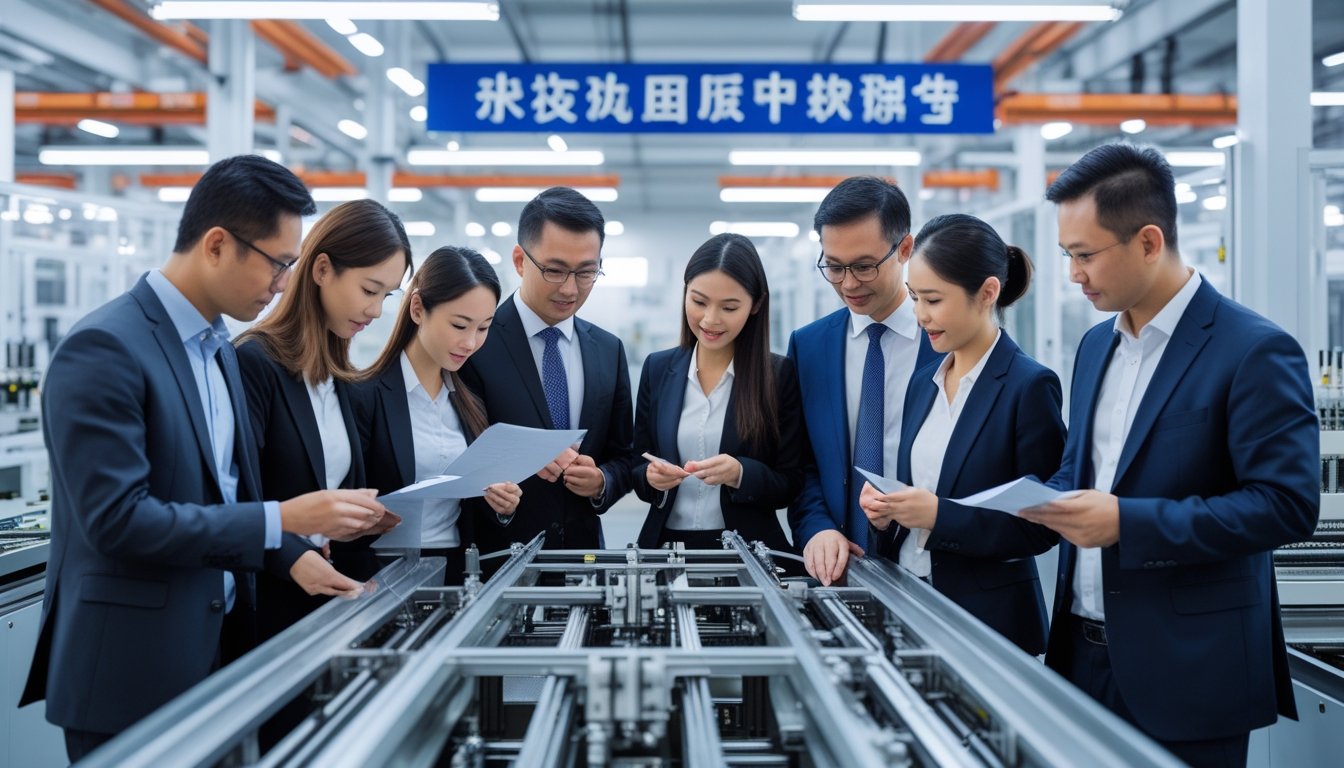
Going it alone at a Chinese factory? That usually leads to missed warning signs and communication gaps that could cost you thousands. Professional support brings legal know-how, cultural understanding, and technical chops to protect your investment.
Why Independent Visits Miss Critical Issues
If you haven't spent much time in China, it's easy to overlook problems that seem minor during a tour. Maybe you see shiny floors and new machines but miss the signs of a struggling operation.
Factories might claim more capacity than they really have. They could show you one line and say they've got five more. If you don't know the right questions—or how to check their answers—you might just take their word for it.
Contract terms and legal protections in China need the right language. Standard agreements usually favor the manufacturer. You want someone who knows how to set up payment terms, quality standards, and dispute clauses that actually protect you.
Some factories stage spotless areas for visitors, while the real production happens elsewhere. Independent visitors rarely get to see raw material storage, reject bins, or live production data.
How Legal Experts Enhance Factory Assessments
Legal pros with manufacturing backgrounds dig into claims by checking documents and running independent verifications. They look at business licenses, safety certificates, and export records to confirm what the factory can actually do.
Here’s what legal experts usually check:
- Manufacturing contracts and IP protection
- Worker safety and labor law compliance
- Export licenses and customs paperwork
- Financial stability through company registration
- Client references and dispute history
They'll also check equipment condition and maintenance records to see if the machinery matches the factory’s claimed output. Reviewing defect rates and testing procedures helps them judge final product quality.
With professional interpreters who know manufacturing lingo, you catch things lost in translation. They notice when factory managers say one thing in Chinese but something else gets relayed to you.
Schedule Your Professional Factory Visit Today
Professional factory visit services handle supplier vetting, go with you on-site, and give you detailed reports. You'll get documentation, photos, and technical measurements of everything they see.
Reach out to sourcing companies that offer factory audits in your target region. Ask about their supplier verification process and request sample reports from past clients.
Check their credentials—make sure they have legal and quality control experts. Look up client reviews to see how they've done with companies like yours.
Book your visit at least three or four weeks ahead so there's time for research and scheduling. This prep helps you spot issues before you spend money on travel.
Protect yourself from fraudulent suppliers by reading our comprehensive guide on China factory scams and warning signs.
Conclusion: China Factory Visits
China factory visits give you firsthand insight into supplier capabilities, quality standards, and potential risks that photos and calls simply can't reveal. Taking time to inspect facilities, meet teams, and verify production processes protects your investment and builds stronger supplier relationships.
However, knowing what to look for requires experience with Chinese manufacturing standards, labor laws, and industry-specific compliance issues. Professional guidance ensures you ask the right questions and catch problems before they become expensive mistakes.
Considering manufacturing in China yourself? Learn about the process, requirements, and legal considerations in our guide on setting up a factory in China.
Frequently Asked Questions: China Factory Visits
Factory visits in China raise a lot of practical questions—about access, costs, labor, and inspections. Here are answers to some of the most common things importers want to know.
Can you visit Chinese factories?
Yes, you can visit Chinese factories as a buyer or business partner, and most manufacturers welcome serious customers. You'll need a valid business visa—tourist visas can cause legal issues—so plan two to three months ahead for visa processing and scheduling. Contact factories via email or WeChat at least two weeks in advance with your proposed dates, group size, and products of interest.
How much do factory workers get paid in China?
Factory worker wages vary by region and skill level. Coastal cities like Guangzhou or Shanghai typically pay 4,000 to 8,000 RMB monthly ($550–$1,100 USD), while inland provinces pay 3,000 to 5,000 RMB. Knowing wage levels helps assess fair labor practices—factories with better pay usually have lower turnover and stronger quality control.
What is the 3-hour rule in China?
The 3-hour rule refers to overtime limits under Chinese labor law. Standard work hours are eight per day and forty per week, with overtime normally capped at one hour daily but extendable to three hours in special cases. Monthly overtime shouldn't exceed thirty-six hours, though enforcement varies—excessive overtime often indicates quality issues from fatigued workers.
How to inspect a Chinese factory?
A thorough factory inspection takes two to three hours covering production floors, equipment condition, workflow organization, and cleanliness. Focus on the quality control department—examine sample review processes, defect handling procedures, and storage conditions for raw materials and finished goods. Bring a translator or translation app, prepare a product-specific checklist, take photos, review production samples against your specifications, and note any concerns immediately.
Subscribe to receive updates
Subscribe to receive the latest blog posts to your inbox every week.