.png)
Construction in China is happening at a massive scale, from high rise buildings to highways and urban redevelopment projects. With this fast growth comes serious safety concerns that affect workers, companies, and the public.
Job site safety, legal compliance, and accident prevention have become important issues across the construction industry in China.
This topic matters not only to construction workers but also to business owners, investors, and families living near active sites. Understanding how construction safety works in China can help prevent accidents, reduce disputes, and protect rights.
Read on to learn how China construction safety is regulated, what causes most accidents, and what is improving today.
Key Takeaways
- China construction safety is governed by national laws and industry standards, but enforcement can vary by region.
- Falls from height remain the leading cause of death on construction sites in China.
- Long working hours and tight deadlines continue to affect safety performance.
- Technology and stronger penalties are improving construction safety outcomes.
- Legal guidance from firms such as Choi & Partners can be helpful when safety disputes or compliance issues arise.
What China Construction Safety Covers
China construction safety refers to the rules, practices, and systems used to protect workers and the public during construction activities. It includes safety equipment, training, inspections, and legal responsibilities for companies and supervisors.
Construction safety is especially important in China because of rapid urban growth and large scale infrastructure projects. Even small safety failures can lead to serious injuries, project delays, and legal consequences.
Construction Safety Laws and Regulation in China
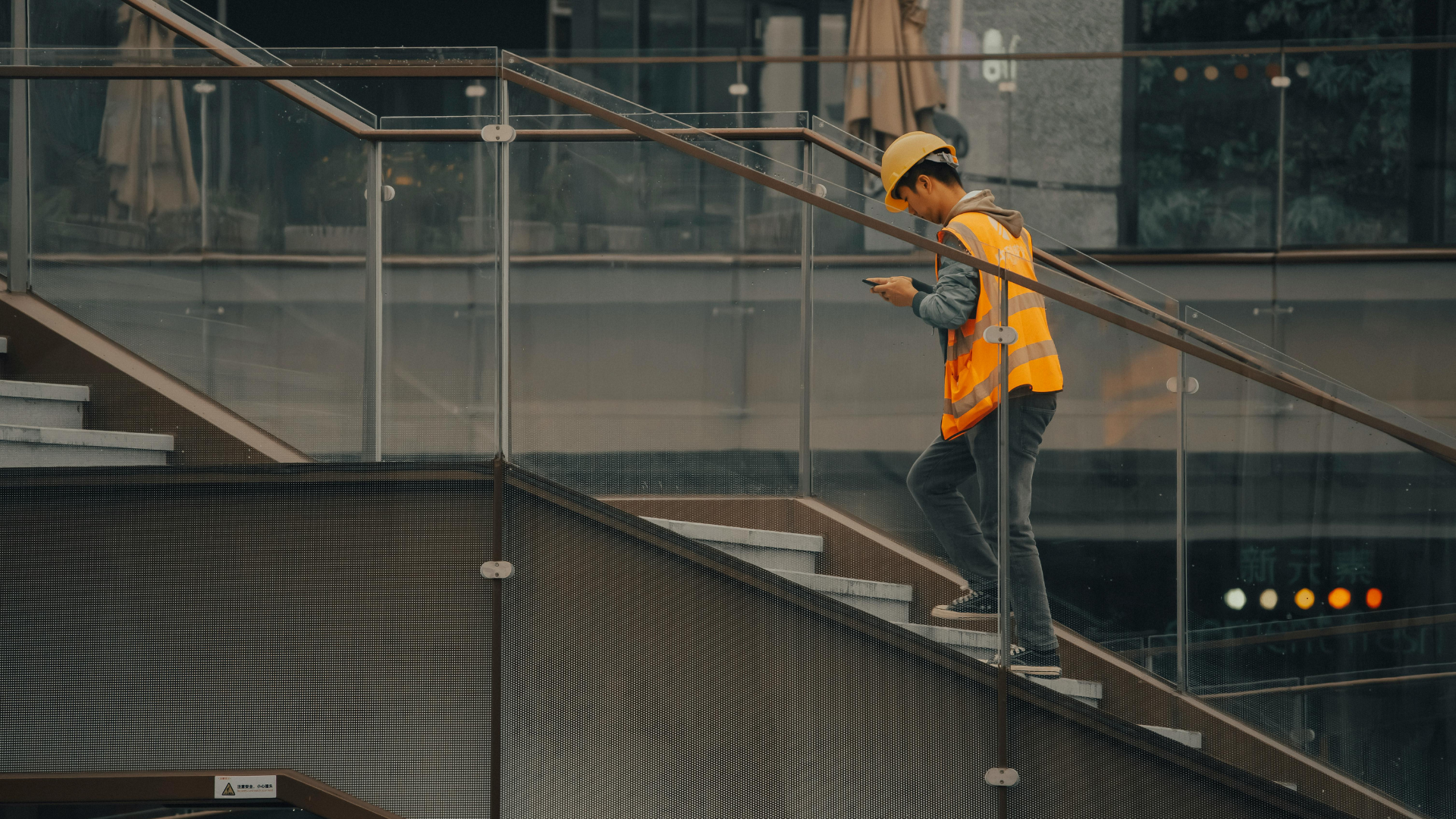
China construction safety is guided by national laws and overseen by government authorities at multiple levels. These laws set clear duties for employers, contractors, and site managers to prevent accidents.
Enforcement can differ between regions and cities, as local authorities are responsible for daily inspections and compliance checks. However, serious violations across China can still lead to fines, shutdowns, or even criminal liability.
📌 Also read: China Workplace Safety Regulations: Key Employer Responsibilities and Legal Risks
Government Oversight of China Construction Safety
Construction safety oversight is mainly handled by national and local government agencies responsible for work safety. These agencies conduct inspections, investigate accidents, and order corrective actions when risks are found.
Local authorities play a key role because they supervise daily construction activities. This means enforcement quality can depend on how strict local inspections are.
Key China Construction Safety Laws and Standards
China construction safety laws focus on preventing accidents and protecting worker health. Important rules include:
- The Work Safety Law, which sets employer responsibilities and penalties
- Occupational health regulations that address long term exposure risks
- Construction Industry Standards known as JG standards that define technical safety requirements
Companies that ignore these rules risk project suspension and legal disputes. In complex cases, legal advice from experienced China focused law firms such as Choi & Partners may help clarify obligations.
China Construction Safety Standards on Construction Sites
China construction safety standards apply directly to daily work on job sites. These rules aim to reduce common hazards such as falls, equipment accidents, and electrical injuries.
Following these standards is not optional and failure to comply can lead to immediate penalties.
📌 Also read: Construction Permit Requirements in China: Approval Process and Legal Risks
Required Safety Measures for Construction Work in China
Construction sites must follow clear safety requirements, including:
- Wearing helmets, safety harnesses, and protective footwear
- Using approved scaffolding and guardrails for high work areas
- Proper handling of cranes, lifts, and electrical systems
These measures are designed to prevent the most common construction injuries. Skipping them is one of the main reasons accidents still occur.
Safety Training and Compliance in China Construction Safety
Workers in China are required to receive safety training before starting construction work, though specific training content and frequency may vary by project type and local regulations. Supervisors and site managers must also complete safety education and monitor daily compliance.
If training records are missing or fake, companies can face fines or shutdowns. When training disputes or compliance questions arise, legal professionals like Choi & Partners can help assess risks and next steps.
Main Causes of Construction Accidents in China
Understanding why accidents happen is central to improving China's construction safety. Despite strong laws, unsafe practices still appear on many job sites.
Most serious accidents share similar causes that repeat across projects and regions.
Leading Cause of Death in China Construction Safety
Falls from height are the leading cause of death on construction sites in China. These often happen due to missing guardrails, unstable scaffolding, or failure to use safety harnesses.
High rise construction makes fall prevention especially important. Even a short fall can result in fatal injuries.
Other High Risk Construction Activities in China
Other major risks in China construction safety include:
- Being struck by moving vehicles or heavy machinery
- Collapses during excavation or structural work
- Electrical shocks and fires from improper wiring
These risks increase when schedules are rushed or supervision is weak. Many accidents could be avoided with basic safety planning.
Working Conditions Affecting China Construction Safety
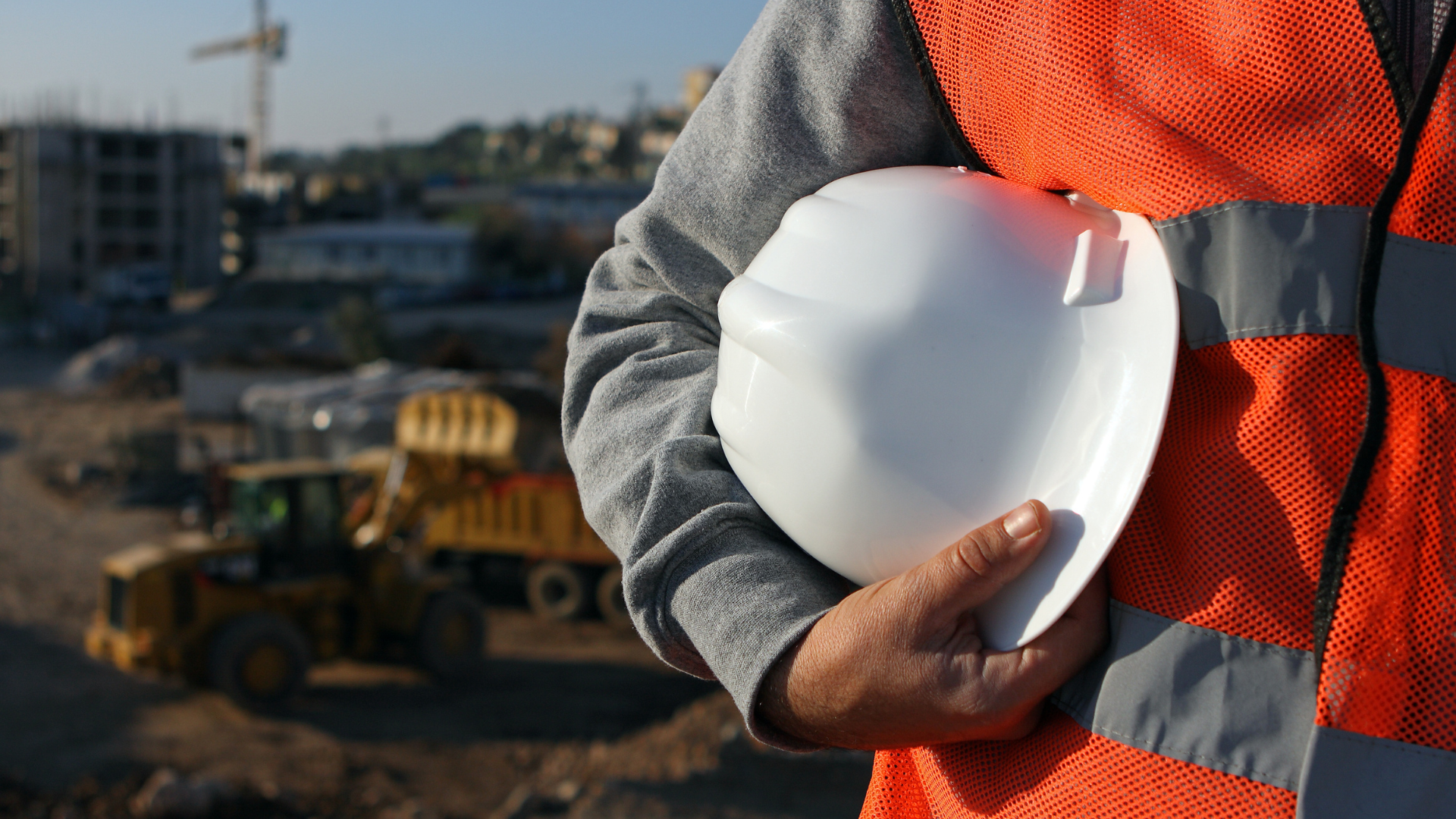
Working conditions have a direct impact on China construction safety outcomes. Long hours, fatigue, and pressure to meet deadlines often increase risk.
Construction workers are especially vulnerable when labor protections are not fully enforced.
Treatment of Construction Workers and Safety Impact
Many construction workers in China are migrants who move from rural areas for work. While laws require insurance and injury compensation, enforcement is not always consistent.
When workers fear losing wages or jobs, they may avoid reporting unsafe conditions. This creates higher accident risks over time.
Long Working Hours and Construction Safety Risks
Extended working hours are common in construction projects under tight deadlines. Fatigue reduces attention and reaction time, making accidents more likely.
Addressing working hours is an important but challenging part of improving China construction safety, as limits on rest periods and fatigue management may differ by industry, project scale, and local enforcement practices.
Labor related disputes linked to injuries may require legal guidance, where firms such as Choi & Partners can provide support.
Safety Culture in China Construction Safety
Safety culture refers to how seriously safety rules are followed in daily work. In China construction safety, culture can vary widely between companies.
Strong laws alone are not enough without consistent safety habits on site.
Speed, Cost, and Safety Conflicts in Construction
Fast project timelines and cost pressure often conflict with safety practices. Some companies take shortcuts to finish earlier or reduce expenses.
This behavior increases accident risk and long term costs through injuries and legal penalties.
Incentives and Penalties in China Construction Safety
China uses both rewards and punishments to improve safety performance, including:
- Fines and work stoppages for violations
- Blacklisting of unsafe contractors
- Recognition for projects with strong safety records
These measures are slowly shifting attitudes toward prevention rather than reaction.
Technology Improving China Construction Safety
Technology is playing a growing role in improving China's construction safety. Digital tools help identify risks earlier and monitor compliance more closely.
While not a full solution, technology supports better supervision.
Digital Safety Tools on Chinese Construction Sites
Many sites now use smart cameras and sensors to monitor dangerous areas. Wearable devices can alert workers and supervisors to unsafe conditions.
These tools help reduce human error, especially on large projects.
Measuring Construction Safety Performance in China
Safety performance is tracked through inspections, accident reports, and compliance records. Data helps regulators and companies identify repeat problems.
Accurate reporting also becomes important in legal or insurance disputes.
Recent Construction Safety Incidents in China
High profile accidents continue to shape public awareness of China construction safety. These incidents often reveal deeper issues such as poor supervision or ignored warnings.
Public pressure after major accidents has led to stricter enforcement in some regions.
What Major Accidents Reveal About Safety Gaps
Many serious accidents show similar failures:
- Ignored safety inspections
- Untrained workers performing high risk tasks
- Inadequate emergency response plans
Learning from these cases is critical for preventing future harm.
Improving China Construction Safety
Improving China's construction safety requires effort from companies, workers, and regulators. Real progress depends on daily actions, not just written rules.
Both prevention and accountability matter.
What Construction Companies Must Do
Construction companies should:
- Invest in regular safety training
- Enforce safety rules consistently
- Respond quickly to hazards and complaints
Clear responsibility reduces confusion when problems arise.
What Construction Workers Can Do
Workers can improve safety by:
- Using protective equipment correctly
- Reporting unsafe conditions early
- Following site safety procedures
Knowing basic safety rights also helps workers protect themselves.
Conclusion
China construction safety has improved over time, but challenges remain as projects grow larger and faster. Stronger enforcement, better training, and technology are helping reduce risks, though consistency is still needed.
For more helpful guides on construction safety, land use, and other legal issues, explore Chinalegal blogs and resources.
If you encounter construction safety disputes or need legal advice in China, Choi & Partners can provide experienced legal support tailored to complex regulatory environments. Contact us anytime.
FAQs About China Construction Safety
Does China have something like OSHA?
China does not have OSHA by name, but it has government agencies responsible for workplace safety. These agencies enforce national safety laws and inspect construction sites. Their role is similar in function, though enforcement methods and structure differ.
Which country has the safest construction industry?
Countries with strong enforcement, strict training requirements, and advanced safety culture often rank higher in construction safety. These usually include nations with lower accident rates and consistent inspections. Comparisons depend on how safety data is measured.
Who is the no. 1 safest country in the world?
There is no single official ranking for the safest country in construction. Safety performance depends on factors like regulation, enforcement, and worker training. Different studies may produce different results.
What is the 0.1 percent rule in China?
The 0.1 percent rule relates to accident rate thresholds used in some construction safety evaluations in China. Companies exceeding this level may face closer supervision or penalties, depending on local authority standards. Its application can vary by region and industry.
What is the 3 hour rule in China?
The 3 hour rule is linked to rest and fatigue management in certain work settings. It is applied through local labor or safety policies rather than a single national standard. How it affects construction work can vary by project type and enforcement practices.
Subscribe to receive updates
Subscribe to receive the latest blog posts to your inbox every week.