
Canton Fair supplier verification is one of the most important steps for any international buyer looking to do business in China. With thousands of exhibitors and countless product options, the Fair attracts legitimate manufacturers—but also a few fraudulent suppliers ready to take advantage of newcomers.
Without proper verification, buyers risk falling victim to scams, counterfeit goods, or contracts that can’t be enforced under Chinese law. The financial and legal consequences can be serious.
By understanding how to verify suppliers properly and working with trusted China-based legal experts, you can protect your investments and build secure, long-term partnerships.
Looking for reliable partners? Read our step-by-step guide on How to Find Suppliers in China.
Why Supplier Verification Matters at the Canton Fair
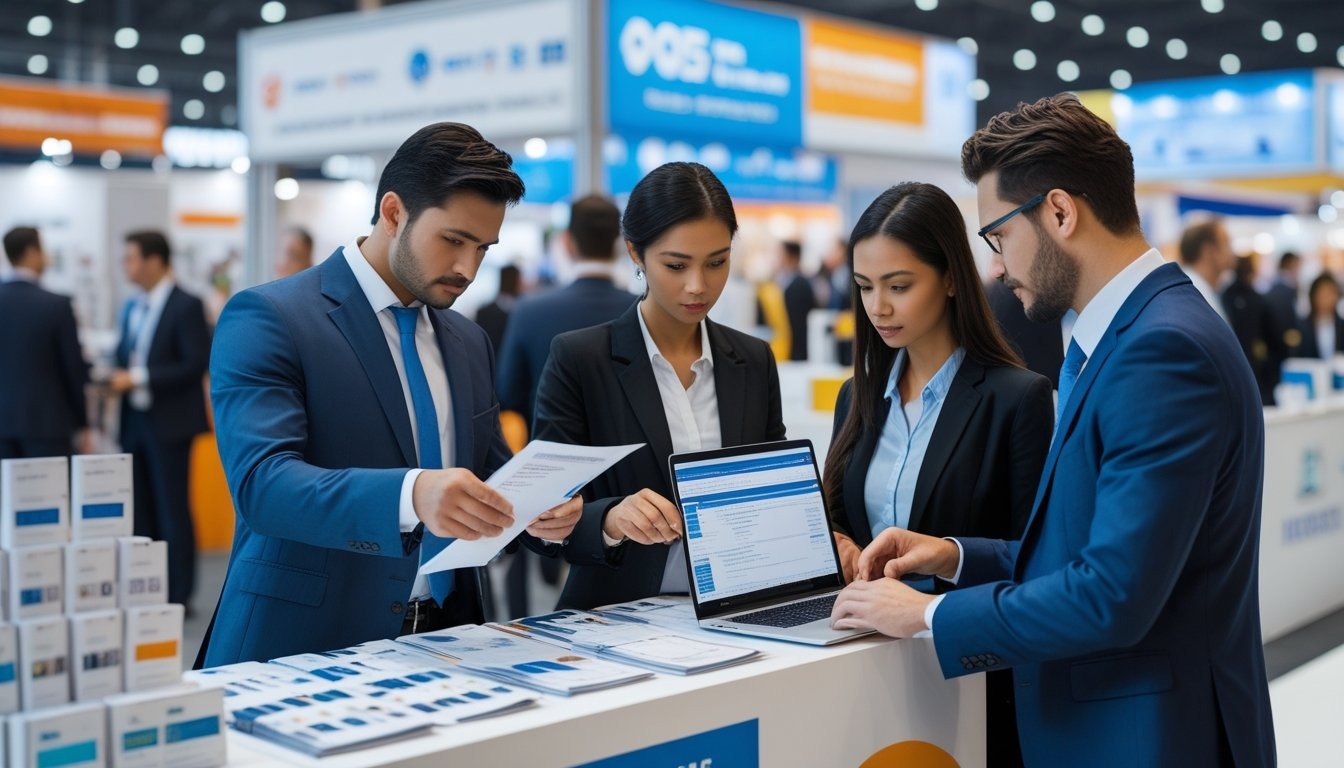
The Canton Fair attracts over 25,000 exhibitors, but not all are legitimate manufacturers. Foreign buyers face significant financial and legal risks when working with unverified suppliers who may misrepresent their capabilities or commit fraud.
Common Supplier Scams and Fraud Risks for Foreign Buyers
Trading companies posing as manufacturers represent one of the biggest risks at the China Import and Export Fair. These middlemen display products they don't actually produce and quote prices without controlling quality or production timelines.
You might encounter suppliers showing unrelated products under one brand. A booth displaying electronics, toys, and garden tools together often signals a trading company rather than a specialized manufacturer.
Fake factory credentials are another red flag. Some exhibitors claim to own facilities they've never visited.
They provide generic factory photos or refuse factory visits entirely.
Bait-and-switch pricing tactics involve extremely low initial quotes. After you pay deposits, these suppliers increase costs or deliver inferior products.
They know switching suppliers mid-production is expensive and time-consuming.
Ghost suppliers disappear after receiving payments. They use temporary registrations and fake contact information.
These scammers often target first-time Canton Fair attendees who lack verification experience.
Legal and Financial Consequences of Unverified Suppliers
Working with unverified suppliers can result in contract violations that are difficult to enforce across international borders. Chinese commercial law offers limited protection for foreign buyers who skip proper verification steps.
Product liability issues emerge when suppliers provide goods that fail safety standards. You become responsible for recalls, customer injuries, and regulatory fines in your home market.
Intellectual property theft occurs when suppliers copy your designs or sell them to competitors. Unverified trading companies often lack proper IP protection agreements or legal accountability.
Financial losses extend beyond initial deposits. You face costs for replacement inventory, delayed product launches, and damaged customer relationships.
Regulatory compliance failures happen when suppliers falsify certifications. Your products may be rejected at customs or banned from sale, creating expensive legal complications.
How Legal Verification Protects Your Business from Losses
Business license verification through official Chinese databases confirms supplier legitimacy. You can check registration status, company ownership, and operational history before signing contracts.
Factory audits by third-party inspection services verify manufacturing capabilities. These audits confirm production capacity, quality systems, and worker conditions that impact your product quality.
Financial background checks reveal supplier stability and payment history. Established manufacturers typically have consistent financial records and long-term banking relationships.
Contract protection improves with verified suppliers who have physical addresses and legal standing. You gain enforceable agreements and clear dispute resolution pathways.
Insurance coverage often requires supplier verification documentation. Many commercial insurance policies exclude claims involving unverified international partners.
Learn what to do if things go wrong in our guide on Scammed by Chinese Supplier.
Step-By-Step Process for Canton Fair Supplier Verification

A systematic approach to supplier verification involves three critical stages. These are thorough research before the fair, comprehensive document checks during the event, and detailed factory audits afterward.
Pre-Fair Due Diligence and Business License Checks
Start your verification process weeks before arriving at the Canton Fair. Research potential suppliers using the official Canton Fair website and cross-reference their information with third-party platforms.
Essential Pre-Fair Research Steps:
- Verify exhibitor registration through the official Canton Fair database
- Check business licenses through China's National Enterprise Credit Information System
- Search for company reviews on trade platforms like Alibaba and Made-in-China
- Validate export licenses and certifications online
Request business licenses and export documentation via email before the fair. Reliable suppliers will provide these documents without hesitation.
Look for consistent company names, addresses, and registration numbers across all platforms. Create a spreadsheet tracking each supplier's verification status.
Include columns for business license validity, years in operation, and any red flags discovered during research.
Companies with verified badges on the Canton Fair website typically undergo stricter screening. Always conduct your own independent verification regardless of official certifications.
On-Site Verification and Document Review at the Canton Fair
Arrive at supplier booths with a prepared checklist of documents to review. Professional suppliers keep original business licenses, product certifications, and quality control certificates readily available.
Critical Documents to Examine:
- Original business license with current validity dates
- Export license for international trade authorization
- ISO certifications or industry-specific quality standards
- Product testing reports and safety certifications
Examine product samples carefully for consistency and quality. Compare samples with catalog photos and specifications.
Ask detailed questions about manufacturing processes and quality control procedures. Request specific information about MOQ requirements, lead time, and production capacity.
Take notes on responses and compare answers between different representatives at the same booth. Pay attention to booth presentation and staff professionalism.
Well-organized displays with consistent branding often indicate established manufacturers rather than trading companies.
Post-Fair Factory Audits and Background Investigations
Schedule factory visits with your top supplier candidates within weeks of the Canton Fair. Direct facility inspections reveal the true scale and capabilities of potential partners.
During factory visits, examine production lines, quality control processes, and storage facilities. Verify that the factory matches the supplier's claimed production capacity and specialization.
Key Factory Audit Elements:
- Production equipment condition and technology level
- Worker safety standards and facility cleanliness
- Quality control testing procedures and equipment
- Raw material storage and inventory management systems
Conduct additional background checks using local business verification services. These services can confirm business registration details, financial stability, and any legal disputes.
Request references from existing international clients. Contact these references directly to discuss product quality, delivery performance, and communication responsiveness.
Document all findings with photos and detailed notes. Create a final evaluation report comparing each supplier across verification criteria before making sourcing decisions.
Legal Support for Secure Canton Fair Deals
Strong legal frameworks protect your investments and create foundations for long-term partnerships. Contract enforcement in China requires specific legal language, while intellectual property protection prevents costly product copying and trademark theft.
Drafting Legally Enforceable Supplier Contracts in China
Your supplier contracts must follow Chinese law to be enforceable in Chinese courts. Standard Western contracts often fail because they don't address local legal requirements.
Key contract elements include:
- Governing law clause specifying Chinese jurisdiction
- Dispute resolution through Chinese arbitration centers
- Payment terms in Chinese yuan when possible
- Quality standards with specific penalty clauses
Chinese contracts should be written in both English and Chinese. The Chinese version typically takes precedence in legal disputes.
Include specific product specifications, delivery dates, and quality control measures. Force majeure clauses need careful wording for Chinese law.
Standard international terms may not apply. Your contract should specify exactly which events qualify as force majeure under Chinese regulations.
Work with lawyers who understand both your home country's import laws and Chinese contract law. This prevents gaps that suppliers might exploit later.
Trademark and IP Protection for Imported Products
Register your trademarks in China before starting production. Chinese trademark law follows "first to file" rules, not "first to use."
Your supplier could register your brand and block your imports.
Essential IP protections:
- Trademark registration with China's National IP Administration
- Design patents for product appearance
- Utility patents for functional features
- Copyright protection for packaging and marketing materials
File trademark applications in all relevant product classes. Chinese trademark classes are specific and narrow.
Monitor Chinese trademark databases regularly. Competitors often file similar marks to confuse customers or block your expansion.
Early detection allows you to oppose fake applications. Your supplier contracts should include strict IP clauses.
Prohibit them from using your trademarks, selling to unauthorized channels, or copying your designs for other customers.
Why Working with China-Based Legal Experts Prevents Supplier Fraud
Local Chinese lawyers understand supplier fraud patterns that foreign lawyers miss. They can verify supplier business licenses, check court records, and investigate company backgrounds through Chinese databases.
Chinese legal experts provide:
- Real-time verification of supplier credentials
- Local court connections for faster dispute resolution
- Cultural knowledge that prevents contract misunderstandings
- Regulatory updates affecting your industry
Many supplier scams involve fake business licenses or shell companies. Chinese lawyers can verify authenticity through government databases that aren't accessible to foreign businesses.
They also understand Chinese business culture and negotiation tactics. This knowledge helps structure contracts that suppliers will actually honor.
Local legal support costs are much lower than international litigation. Preventing fraud through proper contracts and verification saves thousands compared to fighting disputes later.
Chinese lawyers can also help establish long-term partnerships by creating contract frameworks that benefit both parties while protecting your interests.
If you’ve already had issues with a dishonest manufacturer, see how to take action in our article on Report Bad Chinese Supplier.
Conclusion: Canton Fair Supplier Verification
Verifying suppliers at the Canton Fair is essential to protect your business from fraud, poor-quality products, and unenforceable contracts. Even experienced importers can face risks without proper due diligence and legal verification.
Working with China-based legal experts ensures your supplier is legitimate, your contract is enforceable, and your intellectual property stays protected. Professional verification can save you time, money, and serious legal trouble down the road.
For deeper protection when working with Chinese manufacturers, read our detailed guide on NNN Agreements with Chinese Suppliers.
Frequently Asked Questions: Canton Fair Supplier Verification
These questions cover the most important steps for verifying suppliers in China. You'll learn how to check company registration, identify real manufacturers, and make safe contact with potential partners.
How to check if a China supplier is legit?
Ask for their business and export licenses—real suppliers provide them easily. Check the Canton Fair database for booth verification and official listings. Request samples, test reports, and factory details; avoid anyone who refuses or gives vague answers.
How to find a genuine supplier from China?
Visit their factory or request a live video tour to confirm production capability. Ask for references from other buyers and verify certifications like ISO or CE. Compare prices across suppliers and watch for unusually low quotes that signal poor quality or scams.
How do I contact a supplier from China?
Use the official Canton Fair contact directory to reach verified exhibitors. Send clear, professional inquiries with detailed product specs and company info. Schedule video calls to discuss terms and confirm legitimacy before placing any orders.
How to check if a company is legally registered in China?
Request their Chinese business registration number and verify it through official databases. Ask for tax and export licenses to confirm legal status and trading rights. Use third-party verification agencies for deeper checks on registration, ownership, and financial background.
Subscribe to receive updates
Subscribe to receive the latest blog posts to your inbox every week.