.png)
Counterfeit goods continue to affect companies that rely on China manufacturing for their products. Even well managed factories can face risks such as packaging leaks, overproduction, or copied designs that harm brand trust.
A strong anti-counterfeit packaging strategy for China manufacturing helps reduce these risks by protecting products at the packaging level, where counterfeiting often begins.
Read on to learn how smart packaging decisions can help you stay in control and protect your business.
What An Anti-Counterfeit Packaging Strategy For China Manufacturing Really Means
An anti-counterfeit packaging strategy for China manufacturing focuses on using packaging as a protective system rather than a simple container. It involves designing packaging that makes imitation difficult and verification easy across the supply chain.
This strategy often combines physical packaging features, digital verification tools, and controlled manufacturing processes. When done properly, packaging becomes evidence of authenticity and ownership rather than just branding.
Why China Manufacturing Requires A Focused Anti-Counterfeit Packaging Strategy
China manufacturing offers speed, scale, and cost efficiency, which makes it attractive to global brands. At the same time, large production volumes and complex subcontracting networks increase the risk of unauthorized production and packaging imitation.
Because counterfeiters often target packaging first, companies need a packaging strategy designed specifically for China manufacturing environments.
This approach helps reduce the likelihood of copied packaging entering export markets and strengthens enforcement options if violations occur.
📌 Also read: Fake Brands in China: What Foreign Companies Must Know
Legal And Compliance Factors Influencing Anti-Counterfeit Packaging Strategy For China Manufacturing

China enforces laws that prohibit counterfeiting, including trademark and unfair competition regulations. However, enforcement often depends on how well a company can prove ownership and demonstrate intentional copying.
Packaging that clearly displays registered trademarks, compliant labeling, and unique security features supports legal action.
When companies face disputes or need guidance on enforcement related to packaging and manufacturing, professional support from firms such as Choi and Partners can be helpful.
Core Components Of An Anti-Counterfeit Packaging Strategy For China Manufacturing
An effective anti-counterfeit packaging strategy for China manufacturing uses multiple layers of protection. Each layer addresses a different form of counterfeiting risk and works best when combined.
Physical packaging security features
Physical security features are visible and help deter basic counterfeiting attempts. They also allow inspectors, distributors, and consumers to spot tampering quickly.
Common physical features include
- Tamper evident seals that show interference
- Holographic labels with complex visual patterns
- Specialty inks and microtext that are difficult to replicate
Using more than one feature reduces the chance of successful copying.
Digital and smart packaging technologies
Digital packaging tools add traceability and allow products to be verified at different points in the supply chain. These tools are especially useful for exported goods.
Common digital options include
- QR codes connected to verification platforms
- Serialized numbers printed directly on packaging
- NFC or RFID tags for higher value items
These tools help identify suspicious distribution patterns early.
Covert and overt security layers
Overt security features are easy to see and act as deterrents. Covert features remain hidden and are used for investigation and enforcement.
A layered approach often includes
- Visible elements that build buyer confidence
- Hidden markers that only the brand owner can verify
This combination increases the difficulty and cost of counterfeiting.
How To Design An Anti-Counterfeit Packaging Strategy For China Manufacturing
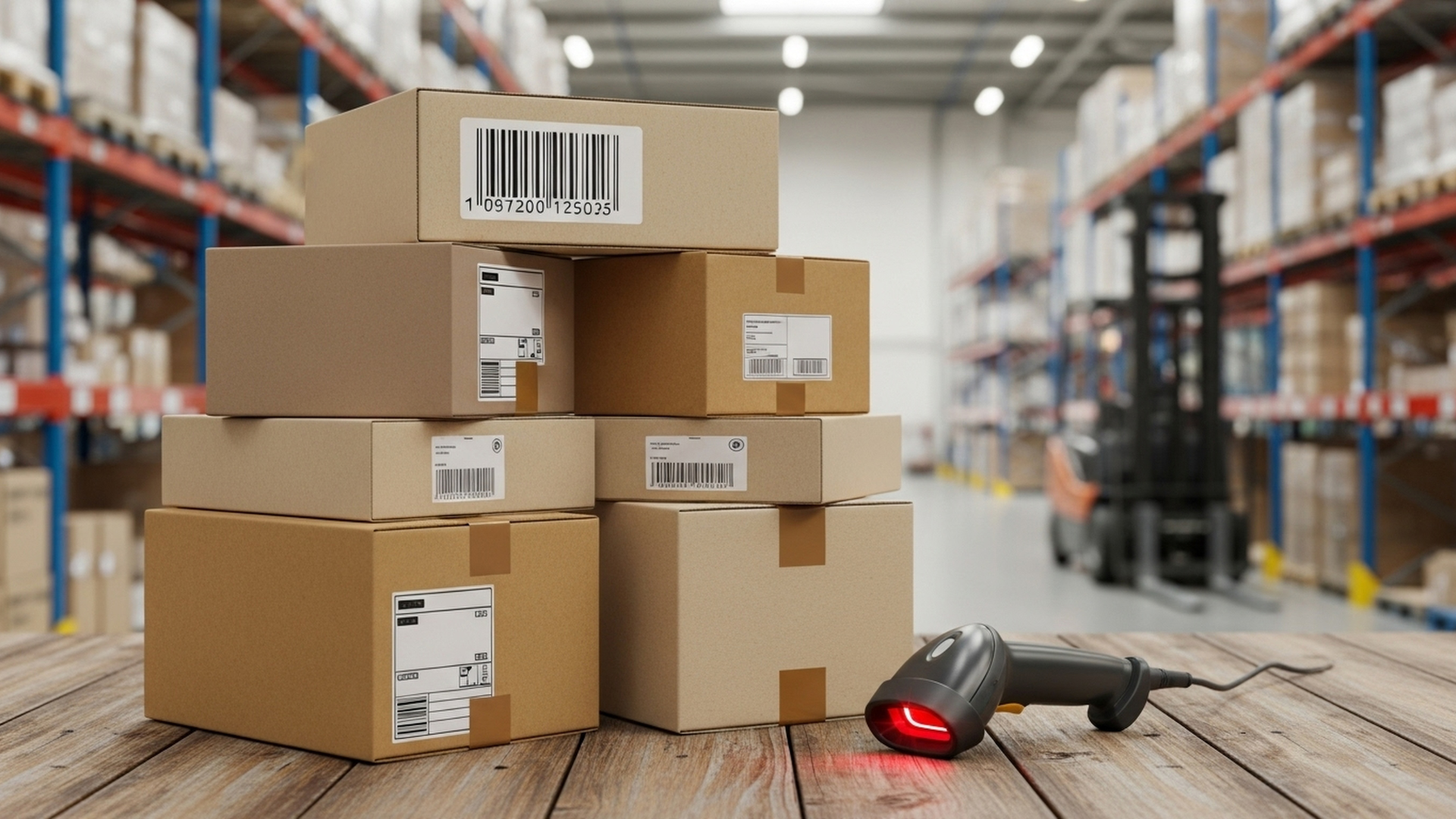
Designing an anti-counterfeit packaging strategy for China manufacturing starts with understanding where risks are most likely to occur. High value products, popular brands, and fast moving consumer goods often face higher exposure.
Key design considerations include
- Matching security features to product risk levels
- Ensuring packaging designs can be produced consistently
- Limiting factory access to packaging files and materials
Packaging design should align with manufacturing workflows to avoid production disruptions.
Best Practices To Reduce Counterfeit Risk Through Packaging
Reducing counterfeit risk requires ongoing effort and coordination between packaging, manufacturing, and legal teams. Packaging should be treated as a controlled asset rather than a static design.
Effective practices include
- Separating packaging production from product assembly when possible
- Monitoring excess packaging inventory
- Updating security features periodically
When counterfeit activity is suspected, early legal guidance can help preserve evidence and support enforcement. Firms such as Choi and Partners often assist companies dealing with manufacturing and packaging disputes in China.
Common Counterfeiting Methods Your Packaging Strategy Must Address
Counterfeiters use different methods depending on opportunity and access. Packaging strategies must account for these methods to be effective.
The most common approaches include
- Copying both product and packaging
- Using fake packaging with inferior products
- Producing unauthorized quantities using real factories
A strong anti-counterfeit packaging strategy for China manufacturing targets all three risks.
Cost And Protection Balance In Anti-Counterfeit Packaging Strategy For China Manufacturing
Budget is an important factor when choosing packaging security features. The goal is to invest enough to reduce risk without overcomplicating production.
Important cost considerations include
- Product value and target markets
- Potential losses from counterfeit sales
- Long term damage to brand trust
In many cases, modest packaging investments prevent far greater financial losses.
Mistakes Brands Make With Anti-Counterfeit Packaging In China Manufacturing
Some brands weaken their packaging strategy by overlooking basic controls. These mistakes often make counterfeiting easier rather than harder.
Common mistakes include
- Relying on a single security feature
- Sharing packaging designs too widely
- Failing to educate distributors and customers on verification
Packaging works best when it is treated as part of a broader risk management system.
Conclusion
An effective anti-counterfeit packaging strategy for China manufacturing helps protect products, customers, and long term brand value. By combining layered packaging security, operational controls, and legal awareness, companies can reduce counterfeiting and respond faster when issues arise.
For more insights, Chinalegal blogs and resources provide helpful guides on manufacturing, compliance, and intellectual property topics.
If legal support is needed for disputes or other China related issues, Choi and Partners can offer professional advice and assistance. Contact us anytime!
FAQS About Anti-Counterfeit Packaging Strategy For China Manufacturing
What is the packaging law in China?
China requires packaging to follow labeling, safety, and product specific regulations. These rules help identify the manufacturer and product origin. Compliant packaging strengthens enforcement against counterfeits. Noncompliance can reduce legal protection.
What are anti-counterfeiting measures?
Anti-counterfeiting measures include packaging security features, supply chain controls, and legal enforcement actions. Packaging plays a central role by making imitation easier to detect. Digital tools add traceability. Together, these measures reduce counterfeit risk.
What are three reasons consumers should avoid counterfeit goods?
Counterfeit goods often fail safety and quality standards. They may not perform as expected or include harmful materials. Purchasing counterfeit products also supports illegal activity. Consumers may lose warranty and legal protections.
Why is manufacturing in China so cheap?
Manufacturing in China benefits from large scale production, skilled labor, and efficient logistics. These advantages lower costs for legitimate brands. The same factors can also attract counterfeit activity. Strong packaging controls help manage this risk.
Subscribe to receive updates
Subscribe to receive the latest blog posts to your inbox every week.